-
Enhancing Early Years SEND Children’s Development with the Copy Box Approach

Introduction
I was introduced to Copy Box (https://www.oxfordshire.gov.uk/sites/default/files/file/information-childcare-providers/Copybox.pdf) by a colleague about a year ago. As she described the approach, my interest was piqued. I’m a huge fan of Intensive Interaction, which Copy Box draws from. However, it can sometimes feel like there needs to be a next step, somewhere else to go. Intensive Interaction is child-led and can take as short or as long as it takes! It is relatively unstructured. My role involves me demonstrating approaches for schools, for them to run with. They, and I, like programs with structure and progression. I encourage Intensive Interaction and suggest that this runs continuously, but give Copy Box a try too!
The Copy Box approach involves a set of paired toys presented to a child in a container, catering to their developmental needs. The method entails offering the box, waiting for the child’s actions, and then mirroring their play with duplicate items. This technique nurtures eye contact, and social interaction, and allows children to lead their play while enabling adults to introduce language and extend play skills. The box might include items like cars, books, or dolls. Particularly beneficial for solitary players, the approach encourages joint play and responsiveness. To implement, assemble an engaging box, show it to the child, and play at their level, copying their actions without questions. As familiarity grows, the child may pause for interaction, marking the start of turn-taking. Further development involves introducing variations to the play for the child to emulate.
Here, I’ll highlight five ways in which it can help communication and interaction with Early Years SEND children.
1. Encourages Social Interaction:
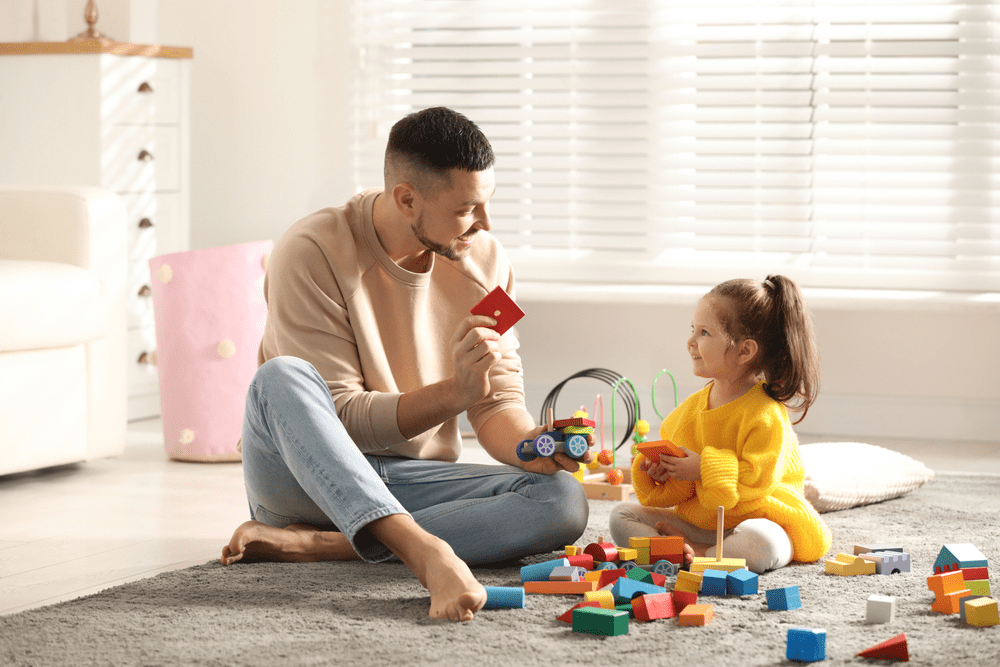
The Copy Box technique serves as a bridge for social engagement between an adult and an Early Years SEND child. By copying the child’s actions and engaging in parallel play, the adult provides a safe space for the child to explore, express themselves, and develop social skills. This approach encourages eye contact, the foundation of communication, and facilitates a connection between the child and the adult.
2. Empowers Child-Led Play:

Photo by cottonbro studio on Pexels.com Children thrive when they take the lead in their play. The Copy Box approach empowers Early Years SEND children to initiate and direct playtime, fostering a sense of autonomy and control. By observing the child’s choices within the box and mirroring their actions, the adult sends a message that the child’s preferences and interests are valued.
3. Facilitates Language and Communication Development:

Photo by Ron Lach on Pexels.com Language acquisition is a vital aspect of child development, particularly for those with SEND. The Copy Box method provides a natural setting for language enrichment. Adults can introduce simple language and gestures during play, labeling actions and objects, thus expanding the child’s vocabulary and communication skills. This interactive approach transforms playtime into a language-rich environment.
4. Develops Turn-Taking and Joint Attention:
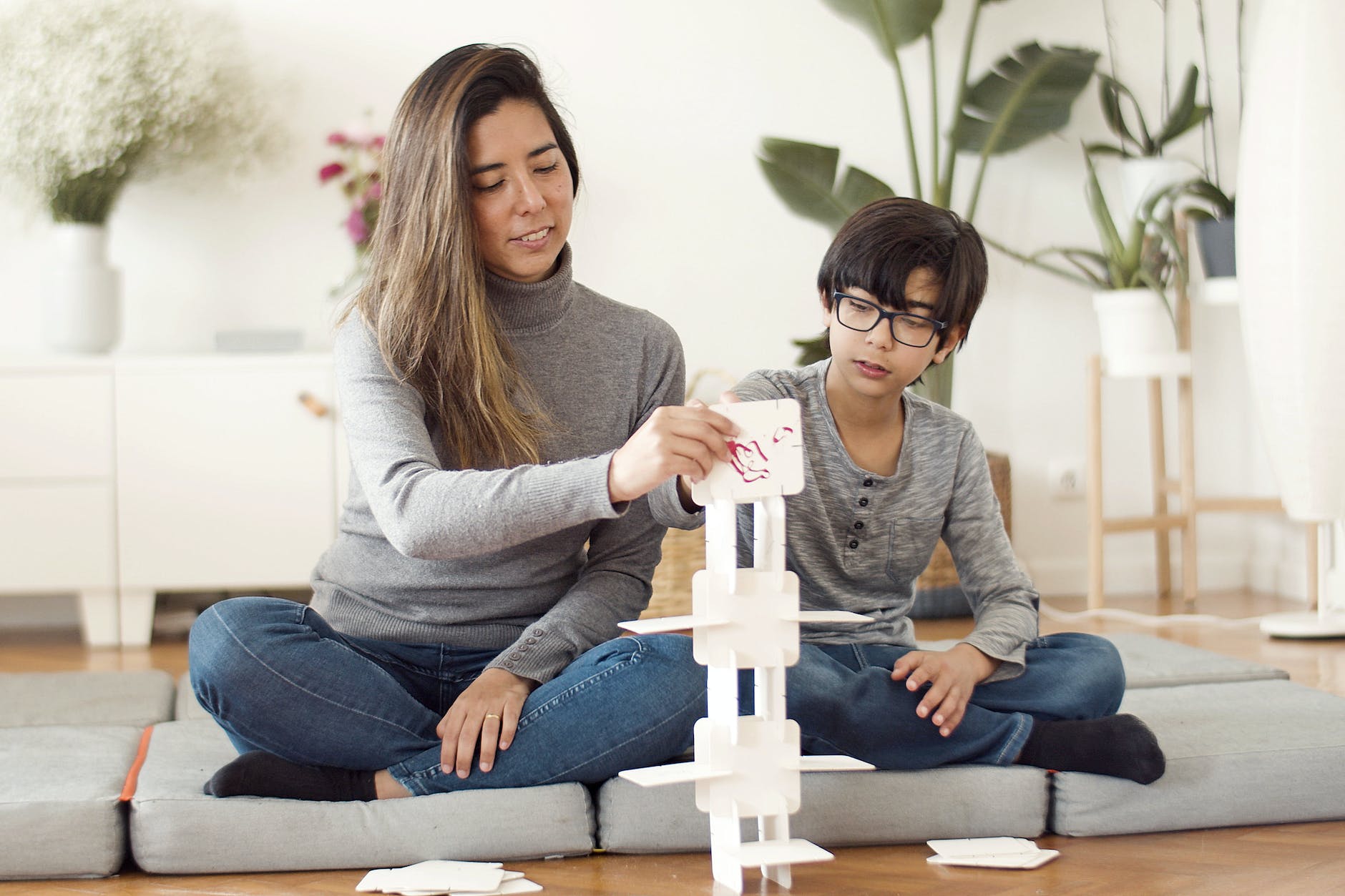
Photo by Kampus Production on Pexels.com Turn-taking is a fundamental social skill that paves the way for successful interactions throughout life. The Copy Box technique introduces the concept of turn-taking in a subtle yet effective manner. As the child becomes accustomed to being copied, they begin to anticipate the adult’s actions, creating a pattern of joint attention and reciprocal play.
5. Customisable for Individual Needs:
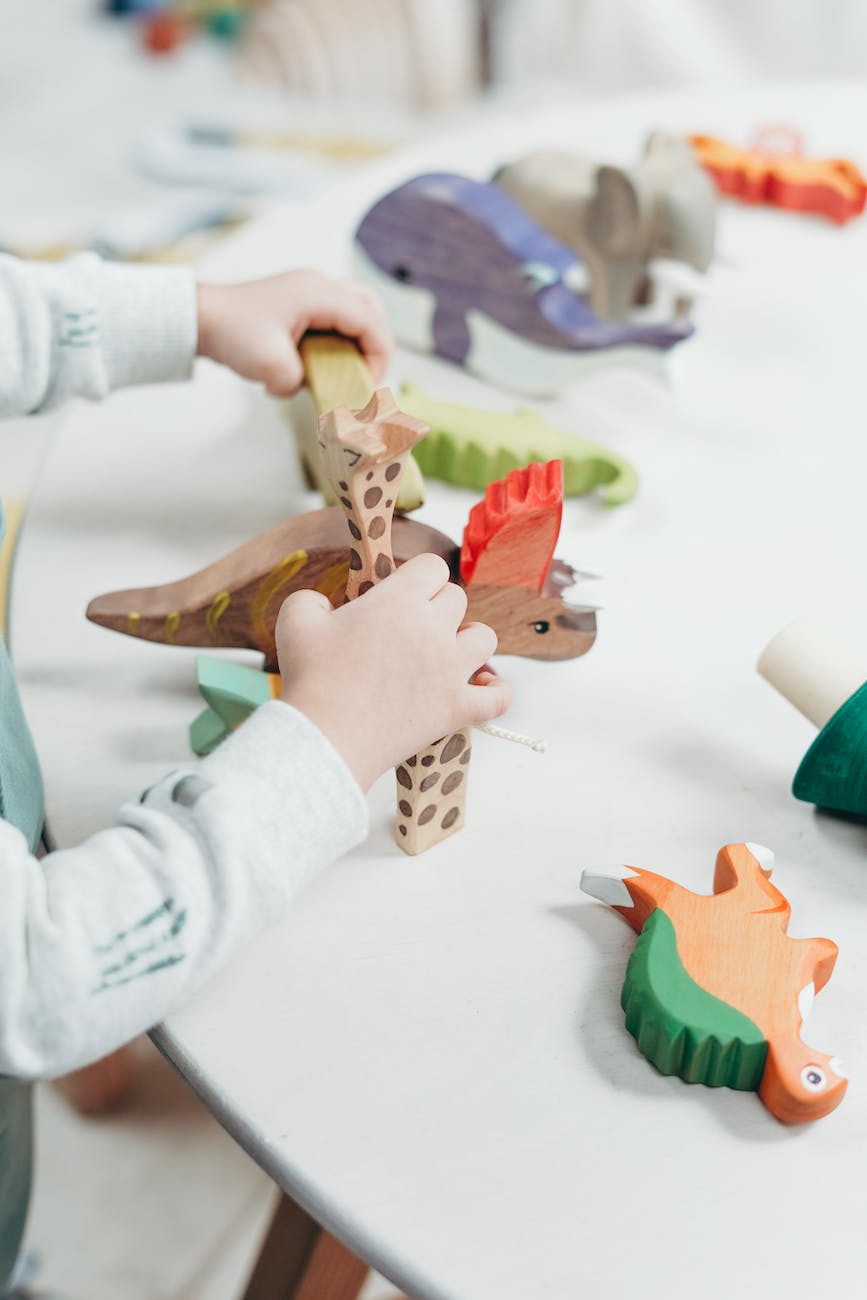
Photo by cottonbro studio on Pexels.com Each Early Years SEND child is unique, with varying developmental needs and preferences. The versatility of the Copy Box approach allows for tailoring the contents of the box to suit the child’s interests and developmental goals. Whether it’s exploring cars, books, dolls, or other items, the contents can be carefully chosen to align with the child’s specific needs and promote growth.
Conclusion:
The Copy Box approach stands as an innovative and promising method to support the development of Early Years SEND children. Through interactive play, turn-taking, language enrichment, and the promotion of social engagement, this technique offers a wealth of benefits. By embracing the principles of Copy Box, we can create meaningful and impactful interactions that contribute to the holistic growth of these remarkable children.
-
Exploring the Benefits of Zones of Regulation for Primary-Age Children with SEMH
Introduction

Photo by Kindel Media on Pexels.com I was introduced to Zones of Regulation two years ago at a service training event. It sounded good, but I felt I had the gist of it and it seemed to reflect my practice anyway, so I mentally tucked the training away.
Forward to a year later, I started working with a boy with Social, Emotional, and Mental Health (SEMH) difficulties. Zones of Regulation had been written into his plan just prior to my working with him, so the decision as to whether to use the approach was out of my hands. I bought a copy of the book, and got to it!
What I found was, yes, it has those approaches and ideas within it that you most likely implement with children with SEMH difficulties, but the positive here was the structure, language, and resources supplied or recommended. In the ever-evolving landscape of education and emotional well-being, the Zones of Regulation framework has emerged as a powerful tool to help primary-age children with SEMH challenges.
Developed by occupational therapist Leah Kuypers, this innovative approach (link: https://zonesofregulation.com/) equips children with the skills they need to recognize and manage their emotions effectively. By understanding and categorizing their feelings into distinct ‘zones’, children gain a better grasp of their emotional state and learn how to regulate it. In this blog post, we’ll delve into the five ways Zones of Regulation supports primary-age children with SEMH, providing them with valuable life skills for years to come.5 Ways Zones of Regulation Helps Primary-Age Children with SEMH
1. Emotional Awareness and Identification:

Photo by Pixabay on Pexels.com The Zones of Regulation model utilizes a colour-coded system to represent different emotional states: Blue (low energy), Green (calm and focused), Yellow (increased energy), and Red (intense emotions). By teaching children to recognize and label their emotions within these zones, the framework promotes emotional awareness and identification. Primary-age children often struggle to articulate their feelings, making this skill a crucial step towards understanding and managing their emotional well-being.
2. Self-Regulation Skills:

Photo by Nicholas Githiri on Pexels.com One of the core objectives of Zones of Regulation is to empower children to develop self-regulation skills. Through a combination of visual cues, discussions, and activities, children learn to recognize triggers, select appropriate strategies, and modify their behaviour accordingly. These skills extend beyond the classroom, enabling children to navigate various social situations and cope with the challenges they encounter.
3. Vocabulary for Emotional Expression:

Photo by Ketut Subiyanto on Pexels.com Often, primary-age children lack the vocabulary to express their emotions adequately. Zones of Regulation provides them with a shared language to communicate their feelings. By using terms like “I’m feeling blue today” or “I’m in the yellow zone,” children can express themselves more effectively to peers, teachers, and caregivers. This enhanced emotional vocabulary encourages open conversations about emotions and fosters a supportive environment.
4. Personalized Coping Strategies:

Photo by Monstera on Pexels.com The framework encourages children to explore a range of coping strategies that align with each zone. These strategies include deep breathing exercises, physical activities, sensory breaks, and more. By trying different techniques, primary-age children can identify the strategies that work best for them in various situations. This personalized approach empowers them to take ownership of their emotional well-being and cope with stressors effectively.
5. Conflict Resolution and Social Skills:
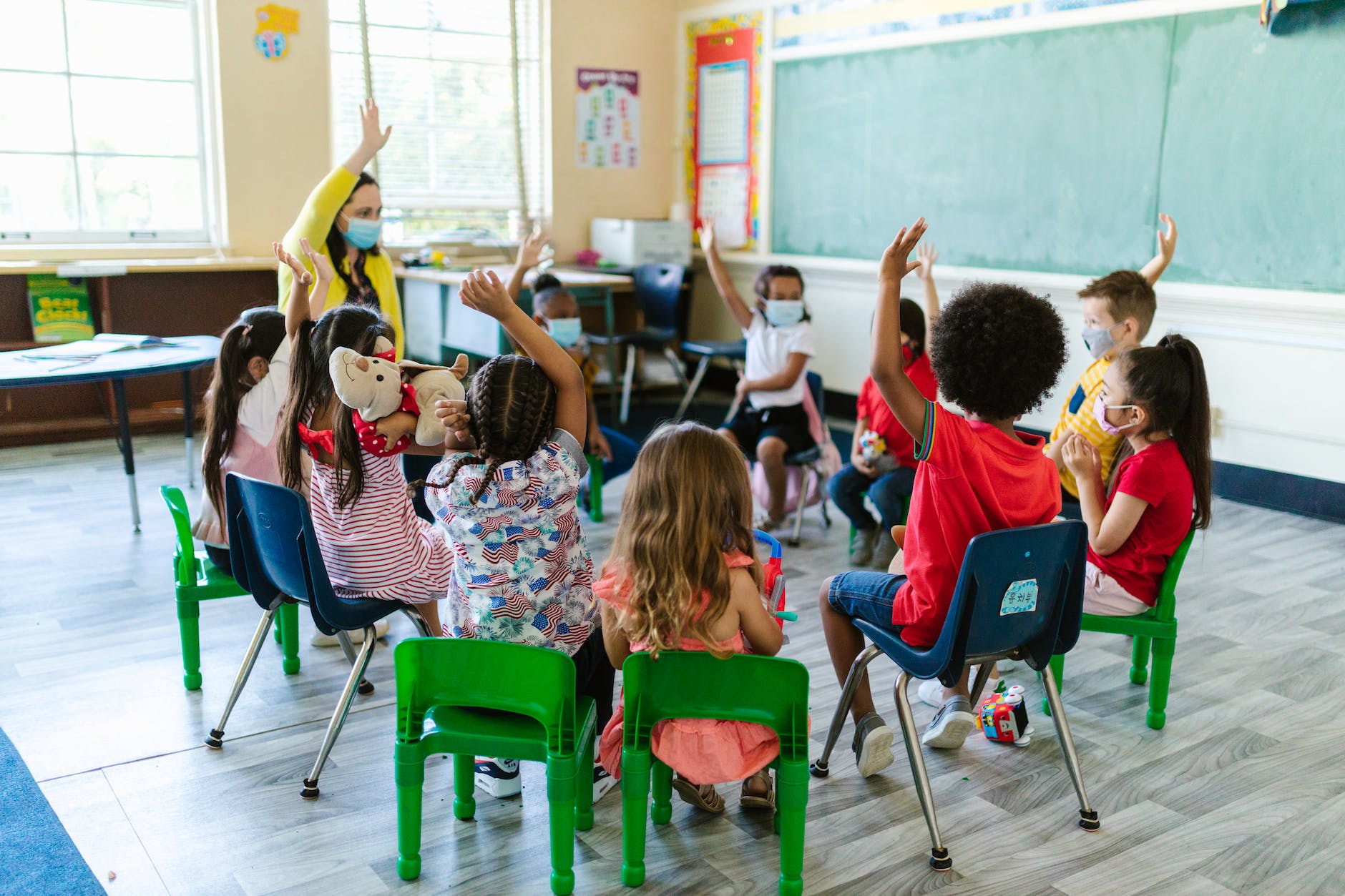
Photo by RDNE Stock project on Pexels.com Zones of Regulation not only addresses individual emotional needs but also enhances children’s social skills and conflict-resolution abilities. By understanding their own emotions and those of their peers, children can approach conflicts with empathy and perspective. The framework promotes discussions about how different zones affect interactions and encourages collaborative problem-solving, fostering a more harmonious classroom environment.
Conclusion
Equipping primary-age children with the tools to navigate their emotions is of paramount importance. The Zones of Regulation framework offers a structured and comprehensive approach to helping children with SEMH challenges develop essential emotional regulation skills. By promoting emotional awareness, self-regulation, communication, and interpersonal skills, this innovative model empowers children to navigate their emotional landscapes with confidence. Embracing the Zones of Regulation approach can have a profound impact on the well-being and success of primary-age children, setting them on a path towards emotional resilience and lifelong emotional intelligence.
-
Slow writing
I love my job. I get to visit lots of schools and meet many wonderful people. It can be quite intimidating though, being the ‘expert’ – hello imposter syndrome! Indeed, I often learn just as much from my schools as they do from me! Today’s approach is something I witnessed in one school, something that is so simple, I kick myself that I didn’t think of it myself years ago!
Using Teaching Assistants better

TAs are hard-working members of the school community. They are amazing! However, often they are the de facto teachers of many SEND children. Despite their best efforts, this can create issues. For example, they can feel pressure to overly help SEND children through ‘task completion’; an urge to get a job done rather than focus on the process itself. Over time, these develop learned helplessness in SEND children, who become reliant on TAs to essentially do the work for them, while children copy the end result. The Education Endowment Foundation recognises this, and more information can be found here: https://educationendowmentfoundation.org.uk/education-evidence/guidance-reports/teaching-assistants
If I think back to the early 2000s, at a time when we had the Literacy Hour, I remember ‘Shared Writing’ sessions. The idea is that groups of children would contribute to a shared text. This approach is great in principle but is easily corrupted. What could easily happen, and indeed still does, is that children would tell the adult what they wanted to write, and the adult would write this on a whiteboard, adapting along the way, potentially without child input or explanation. Then this would be copied into a book. I’ve been guilty of this myself.
I must stress that this is not the fault of TAs. As I say, they are amazing, and woefully underpaid and appreciated! Instead, it is up to teachers to determine how SEND children are taught and collaborate with TAs to implement the work. And I get it, teachers too are under enormous pressure to get stuff down in books, show evidence, and so on. However, this pressure can mean that the very point of learning is lost. As Marcus Aurelius said:
“If you seek tranquillity, do less. Or (more accurately) do what’s essential. Do less, better.”
Quality, not quantity

This brings me to writing. Writing is hard! It can be very hard for SEND children, for many reasons. But that shouldn’t be a reason to do it for them, otherwise they will never learn to do it for themselves. SEND children might not be able to produce a page of writing, but is the point of writing the quantity, or the quality? Indeed, for all children, we’d agree that quality is what’s important.
So, bearing this in mind, let me describe slow writing. It’s so simple!
Slow writing – the process
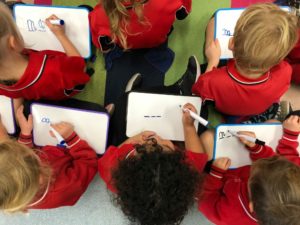
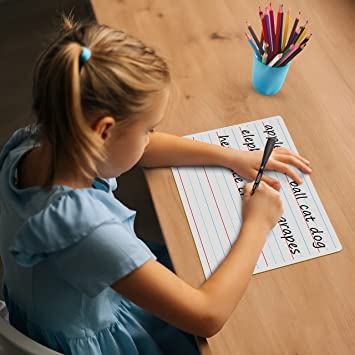
The child creates a sentence, which they then write on a whiteboard. This is then checked, either by a peer or an adult. The amount of support they receive for each sentence can be decided. For instance, corrections or improvements can be made, or they could be suggested for the child to carry out themselves. Hello editing! How they go about making these corrections or improvements can also be adapted depending on need and ability. So, if the child is adept with an iPad, they can use this to ask for spellings, synonyms, etc., or they can refer to a word bank, working wall, and so on. Alternatively, they could simply ask a friend or adult. Once the sentence is ready, then it can be written in a book.
This process provides so many opportunities to learn. It develops independence, as the child has a go themselves. They develop speed and fluency. They learn to edit and problem solve, seeking answers using technology, dictionaries, or the environment. They develop self-confidence and social skills as they interact with peers to improve their work, becoming braver in seeking assistance when necessary.

Yes, this approach will be slow, but the clue is in the name! And the results may be clunky at first. But think of all that is going on behind the scenes. Every journey begins with a first step. Over time, writing will be so much better, and more to the point, the child is the driving force, not an adult.
What I particularly like about slow writing is that it doesn’t need any special equipment. It’s not an intervention that needs hundreds of pounds to get going. A whiteboard and a pen, and off you go!
-
Cognition and Learning with a PMLD child – one experience, leading to Task Baskets.

Photo by Yan Krukov on Pexels.com Before I had my current role, I had never worked in Early Years, nor had I ever had a child in my class with PMLD (Profound and Multiple Learning Disability). So imagine my panic when I had my first caseload child who was both!
If you read my earlier posts on defining inclusion for autistic children, you’ll know that I believe in a growth mindset and that inclusion is an educational and human right. It was time to practice what I preach!
The child is the curriculum
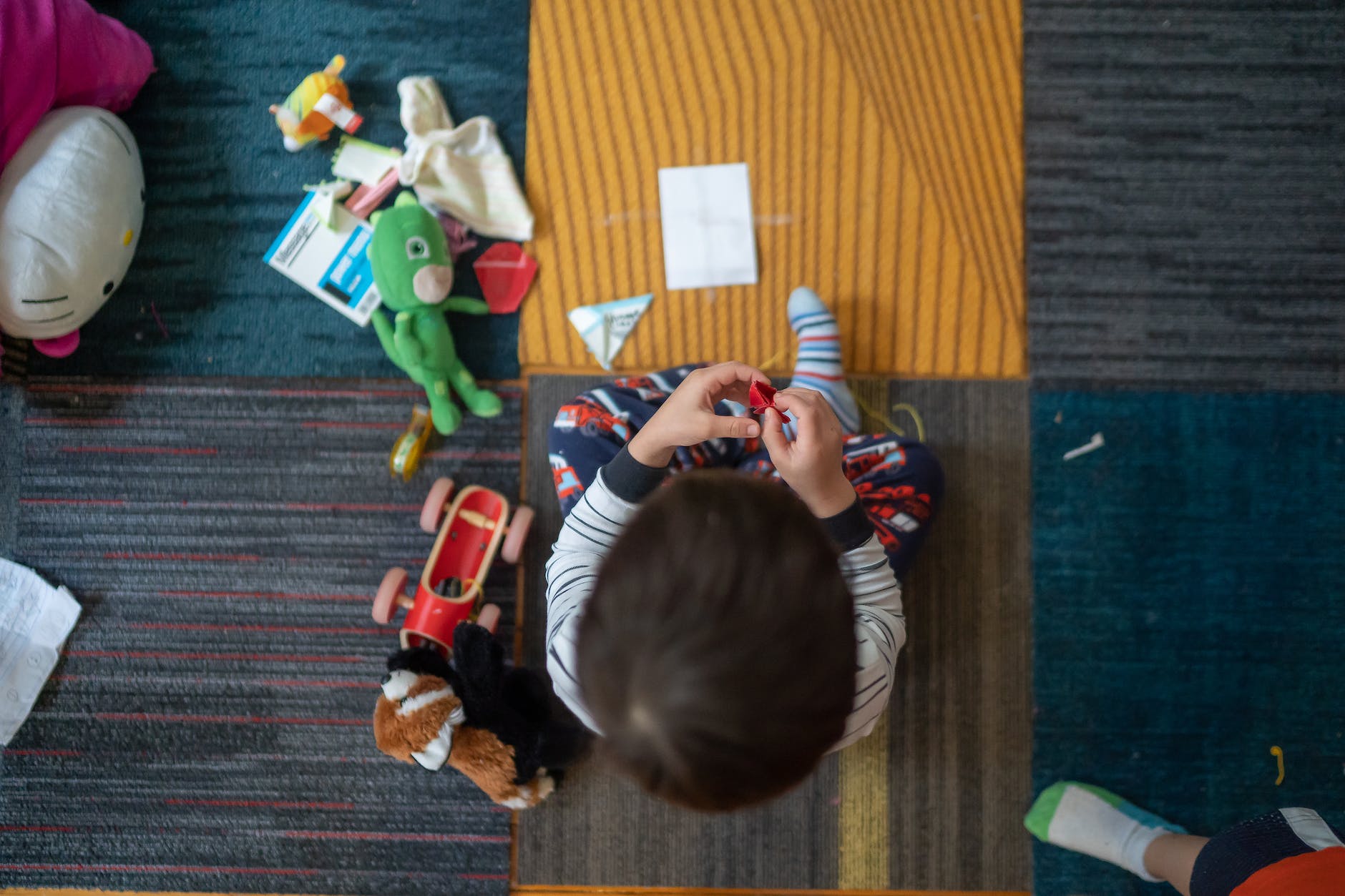
Photo by mentatdgt on Pexels.com I had been fortunate in that I had recently had some training in London by teachers from the Chailey Heritage School. They advocate that the child is the curriculum. Here’s a link to their rationale: https://www.chf.org.uk/The_CHILD_Curriculum_-_March_2018.pdf
This emboldened me to put this child’s needs at the heart of what I did. Now, my role is to ensure inclusion for SEND children in mainstream education. We as a service focus on cognition and learning, and a lot of what I do involves adapting the curriculum so that children can access it, while meeting the objectives in the child’s plan, either an EHCP or our local authority’s cognition and learning SEND plan, written by the school. In this instance, I had to do some re-evaluating.
The EHCP objectives had to come first. My boy’s complex needs meant that I needed to learn from him and adapt to his learning styles and capabilities. At the same time, I needed to be ambitious and aspirational!
I was lucky to have this boy come into my life. I was able to work with him and his settings and parents for 3 years, from nursery to Year 2, and boy did he teach me a lot! I won’t go into everything today, but to summarise, we worked a lot on engagement through strategies such as Intensive Interaction, Attention Autism, and PECS. In hindsight, I made some mistakes. For example, I tried PECS too soon, he just wasn’t ready and didn’t understand the process. Luckily, I worked with a great Speech Therapist who introduced Sealed Jars to me, and this worked so much better! You live and learn! I intend to describe all of these strategies in future posts.
Cognition and Learning – Task Baskets!

Eventually, we reached a point where I felt we could focus more on some cognition and learning targets. I like to approach my work by looking at what is happening in class and replicating that in a way that is accessible. You may have picked up on this in previous posts! So how would I do this with my boy? Step up Task Baskets!
I tend to work in threes. I don’t know why, but somehow it seems logical. For instance, lessons tend to have an introduction, the main task, and a reflection or plenary. So my boy had three baskets. Two baskets had tasks that worked on his objectives, and the third was a preferred activity. I guess what I particularly like about task baskets is how they provide a structure. I like structure, and I believe so do most of us, children included!
I aim to incorporate developing independence into my sessions, so whichever of the first two baskets my boy would reach for would be the first activity. Hey, I find opportunities where I can! The items in the baskets would change depending on what we were working on at the time. So there might be mark-making tools in one, stacking cups in another. If the class was working on measurement in maths, we might have some big and small items to sort. If the topic was rainforests, there might be animal toys or a fuzzy felt rainforest scene to try. It could be castles, Antarctica, or anything.

Photo by Towfiqu barbhuiya on Pexels.com There are so many different options, and with a little imagination, whatever topic the class is working on can be adapted to the baskets and needs and abilities of the child. All you need are three baskets, some ambition, the child’s objectives, and the class topic! This is inherently inclusive, and can be undertaken in class alongside peers learning the same topics at the same time! Bonus, doubly inclusive!
The items can be changed up depending on the lesson, and some baskets can remain the same if there is a specific child-centered objective to work on. Evidence can be collected via photos and stuck into books – we teachers do like our books and evidence!
Hope this is helpful, or at the very least, interesting!
-
Ways I use iPads
Whenever I begin working with a new case-load child, depending on their need and ability to access technology, one of the first questions I ask teachers is “does the child have access to an iPad?” Ultimately we want children to develop independence and ‘learning to learn’ skills. Training them up with iPads helps develop these. Using iPads can remove over-reliance on adult support. They are great for removing barriers and increasing inclusion. A lot of my suggestions will likely be known to you. However, they are not all known to children. Here are some iPad features that I have found most useful, and they aren’t paid for extras either! Bonus!
Voice Memos

Photo by Josh Sorenson on Pexels.com Recently, I have worked with a Year 5 boy who has found it difficult to remember what he wants to write after verbalising. He has the added difficulty of not being able to construct entire sentences verbally, due to a stammer. Often, he has forgotten how he has started a sentence. Step up Voice Memos!
Through a short process of exploration, he can now use this app effectively. With it, he can say his sentence, or each part at a time, which is then recorded. There’s a simple editing feature which means he can go back and trim any quiet or jumbled moments. The end product is a complete sentence, which he can then play and write, pause and rewind as necessary. This fits in nicely with the National Curriculum Year 2 writing composition requirement of considering what is going to be written by saying out loud what will be written and encapsulating this sentence by sentence.
Notes

Photo by Porapak Apichodilok on Pexels.com Notes is super useful and is just sitting there on the iPad! I’ve shown Notes to many children now, to help them with their writing. Open up and get typing! Notes can also use the microphone option, so it becomes a dictation tool. Even better, with predictive text, as children type in the first few letters of a word, the needed word usually appears. This helps to reduce mental load. The written text can then be printed out, or copied by hand depending on purpose and lesson objective.
Siri

Photo by Karolina Grabowska on Pexels.com I love this one! Using a dictionary is a useful skill. However, I’ve witnessed so many children be told to use one but not shown how. It’s quicker to ask Siri how to spell a word. Instant! Less time is taken away from the lesson. Simply ask “Hey Siri, how do you spell x?”
You can ask Siri for synonyms, which is great for editing: “Hey Siri, give me a synonym for x.” Ask for definitions, useful in topic lessons, when reading and encountering new words: “Hey Siri, what does x mean?” This supports and develops vocabulary and comprehension.
Siri is also helpful for self-checking maths. Children can ask Siri lots of maths questions. Obviously, you’d want to give out the iPads at the checking stage, so children don’t go asking for answers without working them out first!
Siri can be used in topic lessons, for comprehension and research. Children can ask Siri for facts and information e.g. “Siri, how many people live in x?” “Siri, how many bones are in the human body?” “Siri, tell me about Henry VIII” and so on. The possibilities are endless!
Camera / Photos

Photo by Julia M Cameron on Pexels.com Quite often, I find I’m working with children in a class, and they are expected to access information from the whiteboard or smart board. However, the process of taking that information, then turning attention to a workbook or worksheet can be just the time that information is lost. Barrier!
With the camera, I take a photo of the board, then place the iPad in front of the child. Bingo, the information is right there in front of them, the child can zoom in for easier reading, etc. You can also use a whiteboard pen on the screen to circle or highlight relevant parts, and it wipes off just fine – always funny to witness children gasp when I write on an iPad!
Other examples have been when children have to share a text, if one child has read ahead and needs to turn the page, but the other isn’t ready, take a photo of the relevant part.
Other uses
There’ll be many I’ve not thought of. Hopefully, though, I’ve demonstrated some immediate ways that iPads can start enhancing inclusion from the moment they’re accessed. They encourage independence and mean less adult support is necessary. If there was only one thing I could put in place for SEND children, it would be access to an iPad!
-
The wonder of Widgit Online!
Widgit Online
I’m lucky in that, in my job, I experience a range of different approaches, interventions and inspirational people, all working to enact inclusion in education. In today’s blog, I want to discuss Widgit Online.
I had known about Widgit for many years but had never felt compelled to try it. I guess my initial response was formed by my exposure to it, as a glorified labelling system; used by some to pay lip service to support communication by adding a symbol to a word and then being stuck on a cupboard, wall or door.
My opinion now, however, is different. I use it whenever I can. I’m going to describe the ways in which it has helped me to adapt and create resources that enhance inclusion.
Supporting children in written work: topic lessons
I usually start each term by asking the teachers I work with to share their topic planning with me. Teachers are busy people and have a whole class of children to consider, and a National Curriculum to cover. Every so often, SEND children fall through the cracks in everyday lesson planning. My aim is to demonstrate to teachers how simple adaptations and a positive spin can be all that’s needed to ensure they are included.
So, to topic planning. I look to the learning outcomes of each lesson and build from there. Quite often, lessons will require some writing. This, I have found through my experience, is a hard task for many SEND children. How can we get SEND children to meet lesson objectives and write quickly. Step up, Widgit Online!
Two examples
I’m going to share two examples that I created after receiving topic planning from teachers. The first is quite simple. The topic was the human body. No disrespect to schools or teachers, but the amount of coverage in such lessons is now vast. I wanted a quick way for my caseload children to access the work and produce some writing. I also had the aim of supporting independence.
The objective was for the children to answer the question : what are the functions of our muscles? This is a Year 4 class and my two children in this instance have autism, difficulty in attending to tasks, and communication difficulties.
So I produced this:
From this, the children could then write four independent sentences. It took no time to put together.
To offer further support. I put the document in a good-quality poly pocket and numbered the squares using a whiteboard pen. For example, ‘Muscles’ would be 1, and ‘are attached to bones’ could be 2. So the children then know they would write ‘Muscles are attached to bones’ and are reminded to finish with a full stop. Boom! One sentence down. The process repeats again, with ‘Muscles’ being 1 again, and the children deciding which square would be 2 next.
Here’s my second example. The topic this time was Antarctica. For context, this was for Year 2 children, and my particular caseload child has speech, language and communication difficulties and was born prematurely and was very poorly in his early development. But what a trooper and an absolute inspiration who has inspired me to do better.
In this instance, we had to write a diary of Earnest Shackleton’s journey to Antarctica. I know! You’ll see here that I employed the same tactic as before, giving my child options that meant he could write a number of sentences for each diary entry. I used the same technique with the poly pocket, which meant the squares could then be numbered. He became adept at doing this himself, which over time all children could do. Here’s what I produced for him:
You’ll also notice that I have coloured the squares here to match the colours used in Colourful Semantics. This demonstrates another great use of Widgit Online. I had introduced Colourful Semantics to this boy and his TA a year earlier, and we were having success with this. So I decided to include it here.
I love Widgit Online. I use it in other ways too. For example, I use it to make TEACCH tasks and visual timetables. If nothing else, documents can be copied and pasted into it, which then includes the Widgit symbols, immediately making the document more accessible. There are many ways to use this resource, probably much more creatively than I have. What’s great about it is that as you use it, you start to think of other ways that it can help with accessibility and inclusion. It can be addictive! There are resource banks created by users that might just be what you’re looking for!
Widgit Online can be found here: https://widgitonline.com/en/home
They offer a free trial. I definitely recommend it!
widgit inclusion writing accessibility -
Defining Inclusive Practice for Autistic Children in Mainstream Primary Settings: Conclusion.

Photo by Ann H on Pexels.com Research Aims
In seeking a definition of inclusive practice for autistic children, my research aims were to determine:
- How inclusion for autistic children is defined legally, morally and ethically;
- What challenges inclusive practice for autistic children;
- How inclusion for autistic children presents in mainstream primary schools.
Participants were selected using convenience sampling, as my professional role afforded me access to people who would provide most appropriate responses to my research questions. They were also to be some of the most likely to benefit from knowledge emerging from the research.
I sought to develop theory to define inclusive practice for autistic children in mainstream primary settings. Themes emerging from the data led to the following conclusions:
Inclusion: an autistic child’s right:

Photo by Min An on Pexels.com Inclusive practice for autistic children in mainstream primary settings is defined by a commitment to equality via moral, ethical and legal ideologies, in a dichotomous culture of individuality and labels.
Challenges to inclusive practice for autistic children:

Photo by Ivan Bertolazzi on Pexels.com Barriers to inclusive practice for autistic children in mainstream primary settings are created by incapacitating forces of accountability, standards, environments and attitudes; the first step in overcoming barriers is through growth mindset.
Inclusion in practice for autistic children in mainstream primary settings:

Photo by fauxels on Pexels.com Inclusive practice is advanced by developing an instinctive ethos of purposeful relationships with autistic children, underpinned by educational rights and human rights ideologies.
Significance and Recommendations
This study suggests inclusive practice presents in autism community stakeholders as a mindset. Through a commitment to educational rights, human rights are advanced. Valuing children increases belonging, in turn increasing engagement in educational processes. In an age of austerity, we can enact positive change from within ourselves. We can create an accepting and tolerant society, by embodying the change we want to see in mainstream primary classrooms.
My research suggests adopting a rights-based approach to education is inherently inclusive. I hope this study inspires mainstream primary schools to adopt this approach.
Strengths/Limitations of the Study and Opportunities for Further Research

Photo by Andrea Piacquadio on Pexels.com I am satisfied I have answered my research questions. Participants chosen were informative and forthcoming.
Interviewing participants again to expand on first responses could provide further insights and strengthen my findings. Inevitably, time played an inhibiting factor. I have a time-consuming role, as do the teachers, professionals, parents and children who participated in the study.
There is potential for more debate in my results; however, much consensus between participants meant conflicting ideologies were scarce.
I followed Grounded Theory principles, engaging actively with data. I have attempted to create theories, in the summaries above. My process could be described as thematic analysis. However, I am proud I have attempted this challenging method of research and data analysis.
Asking adult participants: If you were researching inclusion for autistic children, what question(s) would you ask? has provided a basis for further research. I will use answers as part of my professional role, examining autism stakeholder voice.
Potential exists to widen the study to see if similar outcomes could be found elsewhere, with potential to compare findings from different areas e.g. different local authorities.
Research focused on mainstream primary schools. It would be of interest to undertake a comparison of mainstream primary/secondary phases. Sharing knowledge and practice are potential benefits.
The current turbulent economic and political era is impacting on education. Potentially another such study under different circumstances may present contrasting results, leading to opportunities for comparison.
-
Inclusion in practice for autistic children in mainstream primary settings. Part 3 of my research discussion.
I’m continuing to work on my blog each day, and can today bring you the final part of my research discussion.
As before, I won’t include a list of references. This can be found in my literature review post.
Schools implementing inclusive practice
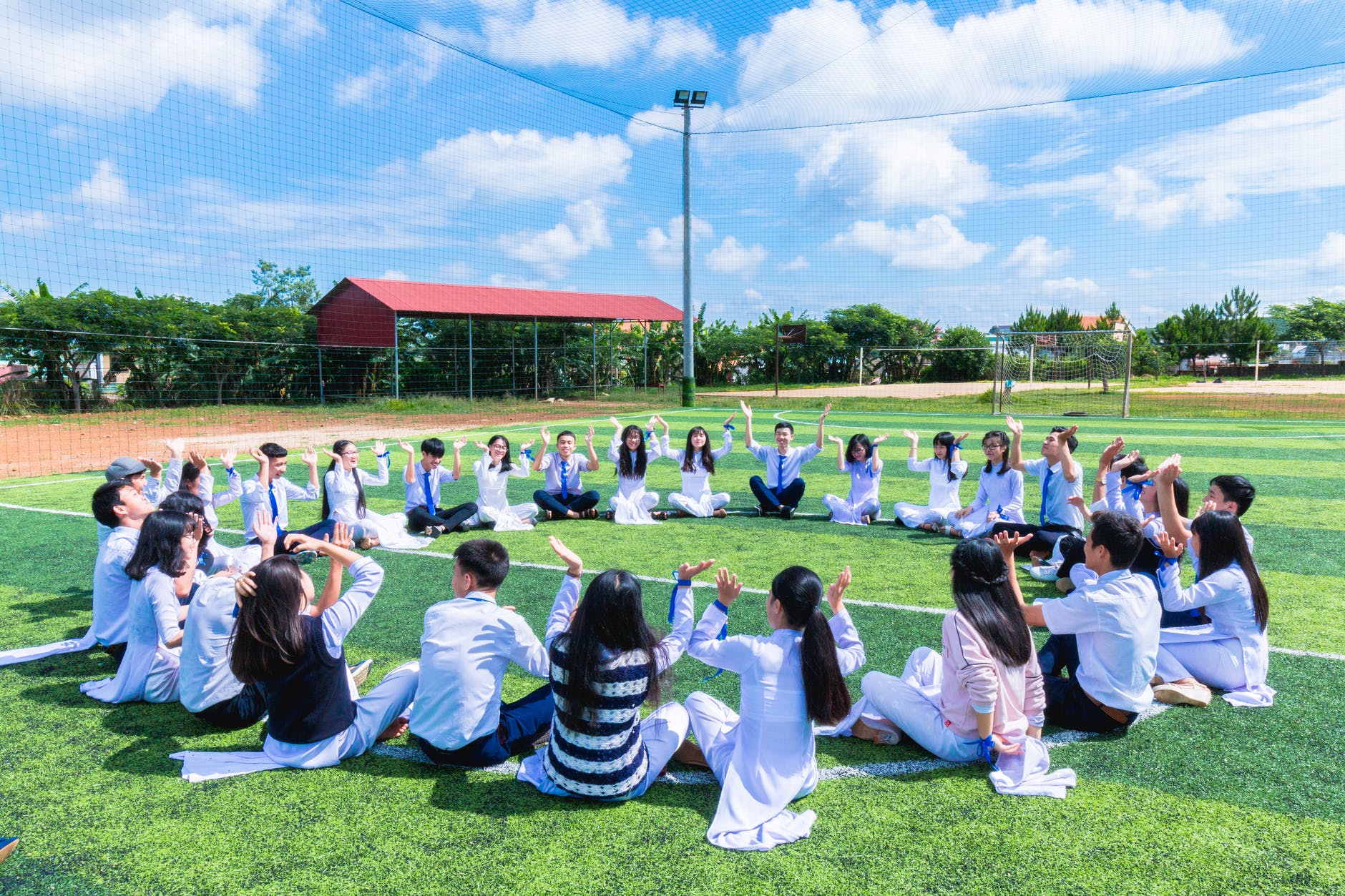
Photo by THIS IS ZUN on Pexels.com Participant perception was that inclusion involved adaptation of the curriculum according to individual need:
Inclusion is not expecting the child to adapt to the class or the curriculum but how teaching can be adapted to the needs of the individual child…(Emma).
Individual need was deemed essential because each child is unique (Kyriacou, 2014; Beardon in conversation, in Severs, 2018):
Every child is different…no…autistic children are the same, therefore teaching and inclusion strategies need to be specific for that child and their needs (Esther).
Acknowledging children’s individuality as a basis for provision was crucial to many. One participant asked: “what can you provide for my child? Obviously they all have different needs” (Anne). Another participant suggests:
…making small adjustments to my classroom practice to support and help all children achieve their goals…so…each child feels valued and…can achieve (Brigitte).
Knowingly or not, participants see inclusive practice as essential in advancing children’s educational and human rights. This is through advocating adaptations according to the needs of individuals, to ensure equal access to educational entitlement. Inevitably, some participant language has elements of the medicalised view of autism (Hodge, in Runswick-Cole, Mallett & Timimi, 2016), due to necessity of abiding by legalities of the Code of Practice and the permeation of such language in, for instance, diagnosis (Runswick-Cole & Hodge, 2009). Adaptations to school environments were described as such an adjustment:
…inclusion for ASD children requires adaptation of the environment…There may need to be organisational adaptations…a quiet area for a pupil to work or have ‘downtime’ in (Dan).
A quiet space was the overriding environmental adaptation participants mentioned:
…their own un-invaded space, away from any stimulus or clutter, but where they are comfortable…(Emma).

Photo by Andrew Neel on Pexels.com Participants linked environmental adaptations most often with sensory needs of autistic children, including audio and tactile response:
…environmental linked to lights and noise. Schools could be more lenient with uniform policies to support children who get distressed by particular fabrics e.g. wear jogging bottoms instead (Beth).
Whatever is right for that child…maybe ear defenders for noisy environments, sensory room…do a sensory audit first to ascertain their requirements…changes can benefit all children…(Esther).
When schools address adaptation of environments, as part of re-framing attitudes, this impacts positively on autistic children’s sense of belonging, achievement, social and cultural development (Riley, 2019; Allen & Boyle, 2016).
Additional adult resources as inclusive were suggested. This was perceived as enabling in various ways: “to enable access or give encouragement” (Alice); “building their relationships so…they know the children really well” (Gina); and to encourage independence: “I’m doing work on our own” (Ben). One participant reported:
…he has…a set one-to-one. But the good thing is they do not just work with [name]. So they include the whole class of how things work if that makes sense. One-to-one will be around everyone…(Barbara).
Other resources included the use of iPads (Andy; Ben), rubber gloves for messy activities and coloured overlays for literacy (Emma), and Numicon for maths (Gina).

Photo by Archie Binamira on Pexels.com Socialisation was seen as a key inclusive principle. Belonging was stated or implied:
…feel part of their class and…interact socially with children…building a relationship with…peers and adults (Gina).
…social benefits for the child as they can learn to interact…and play with others…It helps to build and maintain friendships (Brigitte).
…he’ll like to be close to others because he likes people to be there (Barbara).
…increases…social relationships and the network so it helps them to form friendships…they’ve got a sense of belonging (Anne).
Socialisation had other inclusive benefits: “…[other children] are help like teachers too. But they are smaller than teachers” (Ben). Other benefits include the development of language and social skills:
...gives them social and behavioural skills…so they like copy and model things. What they see (Anne).
…the opportunity to interact with…peers…turn-taking, sharing, asking for help, shared experiences…By taking part…alongside others, children with autism are learning social skills and language that may prepare them for the real world (Alice).
Paired work opportunities through position game; good interaction and modelling of language with his peer (Carl Observation).
Importantly, inclusive practice for all children ensures peer relationships are strengthened. Children are presented with what an inclusive society should look like (Kemp, Kishida, Carter & Sweller, 2013). Schools become environments in which respect is fostered and children’s rights are advanced. Participants presented overwhelmingly as brave enough, in the face of budget cuts and political pressure (Macartney & Morton, 2013), to reject the simple option of discrete exclusion (Tirraoro, 2019) and instead prioritise a rights-based approach to inclusion (Runswick-Cole & Hodge, 2009).
Social interactions caused participants to consider ways they enabled communication. Peers as inclusive communication models was heralded:
…it gives them…opportunities [with] different people to communicate with, to build up…confidence (Gina).
Various communication forms were suggested: “…use whatever method they prefer, verbal or non-verbal” (Beth); “use of Makaton, symbols…and PECS” (Alice) and:
…the language you use or the body language or…Makaton signs…make it more accessible…(Fiona).
…visual supports such as the embedding of signs and symbols…or the use of Makaton to support language (Dan).

Photo by RODNAE Productions on Pexels.com Implied is an expectation various approaches to communication are explored to enable participation and a ‘voice’. This is necessary so they can engage with others and processes. Participant awareness of this is suggested.
Additional to PECS and Makaton, other specific interventions were reported as “important to teach specific skills” (Beth). This is:
…to ensure they are able to access all lessons and activities by putting strategies in place…For example; visual timetable, social stories, talking mats, comic strip conversations (Beth).
Interventions were not the overriding inclusive approach. Belonging, interactions with peers and expectation presented as hierarchically more important, evidenced from interview coverage.
Differentiation, teaching style, ethos and routines also received substantial coverage. Child participants felt teachers provided adequately challenging work: “Because they’re teachers and they’re able to do it” (Ben). Differentiation to enable access was perceived as:
…changes to the curriculum, resources, learning outcomes etc. which allow pupils to be meaningfully engaged in a lesson. For example…the ‘adjustment’ of asking the autistic child who cannot talk in front of his peers but has found out lots of key information and could make a power-point…is a valid way of demonstrating the skill (Chloe).
Teachers welcome opportunities to reflect and adapt provision. This echoes aforementioned consideration of individual needs:
It…challenges teachers to think more carefully about their lessons and the way in which they are delivering [them] so…all learners can achieve their potential (Brigitte).
Adaptive and reflective practice develops an inclusive ethos: “With the right considerations and a can-do attitude from everyone it works” (Dan). Development of this ethos leads to a rights-based approach: “…we have a responsibility to adapt…teaching styles [and] schools to support…children” (Cathy). This becomes instinctive:
There’s a little thought that goes into it, but actually day-to-day practice is not moving the earth, but those little adjustments will make it easy (Gina).

Photo by Andrea Piacquadio on Pexels.com One participant stated: “reasonable adjustments…can be reasonably provided by a school within their budget” (Alan). While specific interventions inevitably require funding, inclusive ethos and attitudes cost nothing.
When schools adopt a ‘can-do’ ethos (Dweck, 2008; Crowne & McDonald, 2018) and invest in developing an understanding of children, they determine effective and engaging learning opportunities (Kemp, Kishida, Carter & Sweller, 2013; Dearden, Emerson, Lewis & Papp, 2016). Participants shared a variety of approaches they deemed to facilitate this: differentiation, environmental/sensory adaptations, developing independence, resources used in lessons, routines and specific interventions. However, teaching style and ethos were, either implicitly or explicitly, the most important means of inclusion (Gedge, 2016).
Through this ethos, participants can support all children more effectively. This is due to teachers (particularly) pro-actively developing skills to respond to needs (Gedge, 2016).
Mutual benefits for all children

Photo by Yan Krukov on Pexels.com The benefits of such an inclusive ethos extend to all: “Other pupils…benefit from…resources and strategies…used to adapt learning” (Brigitte). This enables:
School stakeholders…[to] see the benefits of creating an inclusive environment which will develop for children with other additional needs…(Beth).
Arguably the greatest benefit is:
…seeing true inclusive practice and what a positive impact it can have on all involved (Faye).
Stakeholder involvement and cooperation
Participants believed cooperation between autism community stakeholders was inclusive practice. Of pupil voice, Dan stated:
…pupils…can provide valuable insight into their experiences and where they feel…education should be moving. Even…ASD pupils with the most limited capacity to communicate and understand can be observed, preferably by a number of professionals and their parents, to understand how they feel and…are engaging…(Dan).
Of parent/carer voice, this participant believed:
It is vitally important…parents and carers are able to articulate their views and be involved in the education of their child. They know their child best and are a valuable source of information (Dan).
Parent/carer insight is invaluable and comparable to professional input (Gillan, 2017). While most participants agreed this input is essential, sometimes it is deemed more important:
I think professionals spend too much time talking to other professionals. Talk to the family, the child…listen to what they say…(Esther).

Photo by Ivan Samkov on Pexels.com Responses suggested there should be: “Regular meetings…including all stakeholders, parents and the child” (Donna). All stakeholder views are deemed valuable, echoing legal, ethical and moral ideologies. Teachers, on the ‘coal face’ of provision, find:
Building positive relationships with…professionals and child’s parents may help staff feel more open and confident in being inclusive (Brigitte).
Creating a climate of equality increases belonging (Allen & Boyle, 2016). Schools are perfectly placed microcosms wherein autistic children can simultaneously be themselves and exist as part of a welcoming community (Riley, 2019). Seemingly, participants are actively responding to the needs of all children, and a sense of confidence and value is fostered (Riley, 2017). Investing time to develop purposeful relationships ensures schools are more effectively positioned to understand what adaptations can be made to best enable children (Kyriacou, 2014).
Community; Beyond the school environment
School is a microcosm of society. Participants believed it was necessary to instill acceptance and understanding of difference as a societal duty:
I’m…a firm advocate of inclusion as it is a reflection of every day society and children without needs need to develop their understanding and empathy (Donna).
Anne believed inclusion in mainstream schools: “helps the child to integrate into society…children learn from each other” (Anne).
Preparation for life beyond primary school was a key inclusive principle: “to…integrate them within a wider community…like senior school” (Gina). One participant stated:
…the benefits are not only educational but personal, hopefully giving them skills for life such as interaction and communication (Beth).
Statistically, autistic adults’ life experiences are negatively impacted. However, in contrast, participants believed inclusive practice at primary school: “prepares…pupils…for life after school, work, social relationships etc.” (Chloe). Accordance is made with the UN Convention on the Rights of the Child (1989) and UN Convention on the Rights of Persons with Disabilities (2008). One participant simply stated: “[Autistic children] have a right to the same future as the rest of the children” (Cathy). Autistic children have the right to live a full and decent life with dignity and, as far as possible, independence and to play an active part in the community (Article 23, UNCRC, 1989). Autistic children have the same rights as neurotypical children and are treated equally with others (Article 7, Convention on the Rights of Persons with Disabilities (CRPD), 2008).
Participants aspired to ensure full participation and equality (Glazzard, 2011). By advocating a rights-based approach to education (Runswick-Cole & Hodge, 2009), participants are advancing the quality of education and societal development (Cirrincione, 2016).
-
Challenges to inclusive practice for autistic children. Part 2 of my research discussion.
Wow. It’s been quite a while since I last wrote a blog post. Sorry about that! Well, summer term has ended, and I finally had my holiday that had been postponed due to the pandemic. One week back, and I have decided to get back into a routine. I hope to blog more often, but will certainly be tinkering on behind the scenes most days.
In the last post, I listed the themes that arose from my research: ‘Inclusion: an autistic child’s right’; ‘Challenges to inclusive practice for autistic children’; and ‘Inclusion in practice for autistic children in mainstream primary settings’. Today I’m sharing the second section.
I won’t include a list of references, as last time. This can be found in my literature review post.
Challenges to inclusive practice for autistic children
Barriers to inclusion

Photo by Travis Saylor on Pexels.com Accountability culture is “unhelpful and doesn’t allow educators to dare to think in new ways” (Dan). A knowledge-based curriculum, coupled with competition and student worth can result in autistic children receiving alternatives to class-based provision. This is:
…being done to ‘get them out of the way’ so the teacher doesn’t have to differentiate for them…the current system judges schools on narrow performance-based criteria and not on broader considerations like SEND (Dan).
Participants spoke passionately about funding/budget constraints as a barrier to inclusive practice, suggesting this is a priority. Funding equates to resources:
…schools are struggling to meet…needs due to…funding being reduced significantly (Donna).
If there is not the money to pay for staff…or there are no specialist teachers to help staff…, inclusion will not work and…[autistic] children will suffer constant anxiety (Gabrielle).
A prevalent accountability and standards culture weighs upon participants (Adams, 2019). This causes autistic children disservice, as their existence and importance as acceptable cultural assets is questioned (Ball, 2013).
Skill limitations or environmental/resource provision were also deemed as barriers to inclusion (Gillan, 2017). Some thought there could be limits to what mainstream settings can provide:
…where children are schooled in…specialist schools. It is I suppose the point where autism makes it impossible for them to be supported in a mainstream school (Alan).
Mainstream educational entitlement and individual needs were sometimes at odds; when autistic children have interventions, they are withdrawn from class-based learning, in essence excluded:
Some autistic children attend nurture … These groups often take place in an afternoon meaning they are missing out on foundation subjects such as Art or PE (Beth).
One participant suggested a compromise using an autism classroom within a mainstream primary:
I could provide…support…my pupils needed…to be able to participate in school life without…meltdowns or distress…my classroom could be a haven for other pupils in…mainstream school who were not able to cope…I think every school should have an ASD class with an experienced teacher…pupils can…access mainstream lessons, depending on their ability and interests (Gabrielle).
This is disputed by one participant:
…sometimes autistic children need to withdraw themselves…this should be facilitated, but the whole concept…of exclusion cannot ever be inclusive (Faye).
Autistic children as ‘other’ presented in responses (Biklen & Attfield, 2005; Parsloe, 2015). One participant, asked if he ever felt he didn’t belong at school, simply stated: “I do” (Andy). Another participant described her child’s experience:
…he has had a few who are like ‘oh, you’re weird’…So there is a lot of people know [him] now and just take him for who he is. There’s a few people who still don’t quite understand how he works…(Barbara).

Photo by Lukas Rychvalsky on Pexels.com Mindset was deemed a barrier to inclusive practice. Alan stated barriers were:
…in the minds of adults…who would see autistic children as being a drain on resources or a distraction…Teachers who looked at autistic children in the same way as being somehow unworthy of their attention…(Alan).
This sentiment was echoed by Alice: “ignorance”; Brigitte: “teacher perception – not knowing the child and understanding [them]”; and Beth: “teacher expectations can sometimes be a barrier”. Sometimes ideologies are entrenched:
Staff with pre-set ideas about what inclusion and autism…means,…stereotypes, schools and staff that…don’t want to make any adjustments…if a school is unwilling to take…advice or change…to be more inclusive,…nothing will change (Esther).
The debate on whether mainstream or special schools are most appropriate for autistic children is ongoing (Shaw, 2017). Motivations for proposing autistic children be elsewhere other than mainstream are varied. Autistic child exclusions are disproportionally high (Hazell, 2018; Timpson Report, 2019), and often unlawful (Tirraoro, 2019). Positively, participants saw autistic children’s move to alternative provision as unnecessary in all but the most extreme cases of challenging behaviour (Shaw, 2017).
Physical/sensory environments present barriers for some autistic children. Referenced were small classrooms meaning proximity, leading to feeling overwhelmed; and noise generated in busy areas:
…small size of…classrooms has been a barrier, especially when individual areas are needed with minimal sensory stimulation and large noisy [classes], it is difficult to keep thirty-plus…children quiet for the sake of one (Emma).
Schools may not have areas…accessible for the child…should they need…time out or sensory play (Brigitte).
School layouts and systems are sometimes to autistic children’s detriment:
…they are a difficult environment for autistic children…Noise, sights, smells, textures, the demands of other pupils and adults can be very challenging (Chloe).
Learned helplessness appeared through discussions with child participants. One stated: “I always need to be helped” (Ben), while another exclaimed:
I can’t remember the last time [TA] helped [another child] honestly because she helps me that much (Andy).
When children are supported to independence, this is positive. However, if focus is on task completion, then opportunities to develop learning and independence are lost.

Photo by Mikhail Nilov on Pexels.com Time is taken away from class-based learning to undertake interventions. Sometimes interventions do not happen because of lack of time or last-minute plan changes:
Specific interventions…important to teach specific skills, need a time in the day to take place. This can take away from lesson times, assemblies…(Beth).
…they might not happen because different circumstances…arise and they’re asked to put to…one side…for a second. Might not be fifteen minutes, might…be five minutes (Gina).
One participant discussed time needed to develop relationships, and how this is impeded:
…where it would be difficult would be where you weren’t given [time] by senior management…(Alan).
Why senior management would not provide time is open to interpretation, but pressures on schools, e.g. accountability, standards and funding/budgets, are undoubtedly factors.
Challenging behaviour
Challenging behaviour as a barrier was raised, including preconceptions of autistic children as challenging:

Photo by Keira Burton on Pexels.com If your child is having a meltdown, they look at the child as if to say that child’s being naughty…(Anne).
…autistic children are viewed as being troublesome or difficult, unpredictable and unwelcome (Faye).
Lack of awareness and compassion leads to prejudice:
I’ve often found myself explaining a child’s behaviour to others, especially midday supervisors, TAs or..parents…who judge us to be ‘ignoring’ behaviour (Emma).
This inhibits inclusive practice as reasonable adjustments are not made to factor in autistic children’s specific needs. Reframing behaviour (Gillan, 2017) is necessary so everyone can:
… understand why an autistic child acts the way does, behaves the way it does and they don’t see it as that child being naughty or challenging (Anne).
Cathy asks of behaviour policies: “are they appropriate for all children?” In asking, the implication is: not always. Participants are committed to ensuring autistic children are included in mainstream settings. Discussion occurred of situations, real or hypothetical, when provision could conceivably be beyond the capability of mainstream. However, with appropriately qualified staff and peer support, mainstream schools are positioned to offer quality provision for autistic children (Cirrincione, 2016).
Autism Awareness

Photo by Tara Winstead on Pexels.com Autism awareness was suggested as a way to overcome barriers (Gillan, 2017). Benefits of such training were shared:
…teaching…others about autism and getting to know the child as an individual will help reduce…times the autistic child may get emotional or struggle in class and not isolate them from their peers (Brigitte).
…peers become accepting of different behaviours…it becomes the norm, I’ve found children to be more understanding and patient, they understand…everyone’s needs are not the same (Emma).
Participants referred to preconceived ideas of what autism is (Parsloe, 2015; O’Brien, 2019), particularly when describing others’ reactions. Perceptions of autistic children are influenced through predetermining by label (Runswick-Cole & Hodge, 2009) and the preconceptions this entails, often without autism experience or training (Hellawell, 2017). Perhaps this, understandably, is why parent confidence in mainstream provision for autistic children is not as high as it should be (Gillan, 2017).
Training

Photo by mentatdgt on Pexels.com Training could overcome barriers by changing attitudes:
Staff…need to be willing…to develop their knowledge and understanding of approaches … and consider new research, techniques or resources (Dan).
Sharing good practice…and being open to learning may…enable staff to…be more inclusive as they…gain a better understanding and skill-set to help them support autistic children…(Brigitte).
As would investing in staff development:
Teachers/TA knowledge in this area can be limited and time needs to be invested in training and improving…knowledge and confidence (Donna).
Barriers exist within mindsets. This was recognised by many participants. Encouragingly, consensus was on importance of adapting to needs of learners, through an enabling ethos, even in the wake of funding cuts and others’ misconceptions of autistic children (Dweck, 2008; Deardon, Emerson, Lewis & Papp, 2016). This is in contrast with disabling mindsets, intentional or not, towards autistic children (Parsloe, 2015; Biklen & Attfield, 2005).
-
Inclusion: an autistic child’s right. Part one of my research discussion.

Photo by Polina Kovaleva on Pexels.com Hello again. Sorry that I have not updated the blog in several days. As any teacher will tell you, the start of the Summer term is always a busy time. I was also debating how to approach the next post. So far, I’ve shared the sections of my Masters dissertation. I considered sharing my methodology section, but have decided against that, as this blog is intended to (eventually) be a sharing of useful approaches in everyday SEND practice.
I want to connect with people who are looking for useful ideas to try in their own practice, and the sharing of my dissertation is to give a grounding in who I am and my position. Of course, anyone who has done a Masters degree will know that the methodology section of a dissertation explains one’s methodological approach, which gives away one’s position, but it can be quite dry! So I’ve decided to skip this and instead share my results and discussion section.
I will do this in sections, each one being the themes I uncovered through my methodological approach: ‘Inclusion: an autistic child’s right’; ‘Challenges to inclusive practice for autistic children’; and ‘Inclusion in practice for autistic children in mainstream primary settings’. So the first section is presented below, and I’ve left in my table that presents the codes for this section and the remaining two. They’ll form my next two posts.
I won’t include a list of references this time. This can be found in my last post, where I presented my literature review.
Here’s who I was lucky enough to interview during my research. All names are pseudonyms:
Child Parent/Carer Teacher Support Service Professional Andy
Ben
CarlAnne
BarbaraAlan
Brigitte
Cathy
Donna
Emma
Fiona
GinaAlice
Beth
Chloe
Dan
Esther
Faye
GabrielleResults and Discussion
I think with the right levels of funding and attitude there are no circumstances where inclusion is not possible.
Faye
Photo by CDC on Pexels.com Introduction
I intended to define inclusive practice for autistic children in mainstream primary settings. Here, findings are revealed and collected from children, parents, teachers, and support service professionals. Coding and constant comparison were used to analyse the data, leading to the emergence of three themes, forming theory (revealed in the conclusion). Each theme is discussed and synthesised with literature.
Themes and Corresponding Codes
Inclusion: an autistic child’s right Challenges to inclusive practice for autistic children Inclusion in practice for autistic children in mainstream primary settings Equality, moral and ethical duty
Legal requirements and policyBarriers to inclusion
Challenging behaviour
Autism Awareness TrainingSchools implementing inclusive practice
Mutual benefits for all children
Stakeholder involvement and cooperation
Community
Beyond the school environmentInclusion: an autistic child’s right

Photo by Andrea Piacquadio on Pexels.com Equality, moral and ethical duty
Ensuring autistic children received their educational rights as fundamental to inclusion was recurring. High expectations of autistic children, in line with neurotypical children, were mentioned. Ben commented on “serious work’’, suggesting its importance: “Makes me feel a bit…Serious because it’s serious work.” (Ben). Ben talked about “doing work on our own”, which he recognised as an important part of his journey to independence. Barbara stated of her child, “he’s got to come back to doing what he’s doing” once her child has had a sensory break; the expectation being her child accesses learning provided. Emma expressed autistic children are “exposed to the same education as their peers” and:
…even if learning is challenged they are still able to access and enjoy…the same experiences as others (Emma).
Educational entitlement was a recurring concept. Ben joyfully listed subjects he takes part in, suggesting accessing these is important to him. Most adult participants declared their support for inclusion as a right: “each child is entitled to an education” (Brigitte); “…gets their entitlement to an education.” (Beth); “Every child has the right to be educated alongside their peers…they cannot be denied it on principle” (Chloe). Cathy stated:
All children have a right to an inclusive education. This includes autistic children…(Cathy).
Challenge and expectation were deemed important in inclusive practice. Participants, while referring to and acknowledging long-standing cultural stereotypes the label ‘autism’ has attached to it (Macartney & Morton, 2013; Runswick-Cole & Hodge, 2009), demonstrated an inclusive ethos through a commitment to consistently high expectations (Gedge, 2016). Suggested is an underlying ideology of educational entitlement. Donna explains:
Every teacher is a teacher of SEN and must set high standards and ensure…a broad and balanced curriculum is delivered and tailored to all children. (Donna)
This references the Code of Practice 2015, suggesting outside influences, additional to one’s morals and ethics, are at play. More heartfelt is this opinion: “we want them to have the same chance as everybody else” (Fiona).
Most participants believed inclusive practice and equality for autistic children were intertwined. Equality was defined legally, morally, and ethically. One participant stated:
They cannot be refused…to be educated on the basis of having ASD. They also cannot be discriminated against by not having reasonable adjustments being made…(Dan).
While another suggested:
Segregation…reinforces prejudices and lack of understanding – if we do not come across people…at a young age, then we have little chance of living in an integrated and inclusive society (Chloe).
There exists a dichotomy of adapting to the needs of autistic learners while understanding diagnoses (Fisher, 2012; Hellawell, 2017). Participants demonstrated positive mindsets (Dweck, 2008; Crowne & McDonald, 2018) to promote inclusion of all learners, in contrast to statistics that indicate an inability or unwillingness to do so (Gillan, 2017). They expressed commitment to ensuring autistic children are enabled in developing independence and accessing educational rights, thus knowingly or not striving to meet the requirements of the UNCRC (1989) and the UNCRPD (2008). Equality as promoting autistic children positively to neurotypical peers is repeated by Alan: “makes them see these children as being not other”; and Barbara:
…they’re people aren’t they? Don’t matter whether they’re autistic, physically disabled mentally whatever…(Barbara).
Valuing autistic children as fellow human beings emerged as a concept via insights of several participants: “their contributions are valued” (Chloe); “a responsibility to adapt our teaching styles/ schools to support [autistic children]” (Cathy); “We are a society. It is our responsibility.” (Gabrielle). The educational rights of autistic children are more than a legal requirement; they are an ethos manifesting not only in policy but in people’s thoughts and actions.
Legal requirements and policy

Photo by Sora Shimazaki on Pexels.com Participants described the legalities of inclusive practice for autistic children. Knowledge varied regarding specific acts. Some referred to the Code of Practice and Equality Act in particular, and many generally acknowledged the existence of equality laws and child rights:
I know little of…legal requirements other than…reasonable adjustments must be made (Gabrielle).
One participant explained: “I don’t have a great understanding of…legal requirements.” (Brigitte), while another stated they had: “a very limited understanding/knowledge of legal requirements” (Esther). Whatever participants’ knowledge and understanding of statutory guidance at national and international level, most expressed knowledge of requirements at school level, referring to SEND and/or inclusion policies, and children with EHCPs “which is a legal document” and “gives [children] certain entitlements and rights” (Esther).
Participants were mindful to promote equality at fundamental levels, via autistic and neurotypical children co-existing within school (Kemp, Kishida, Carter & Sweller, 2013). This moral and ethical approach was balanced with the necessity to ensure educational entitlement for autistic children under the law (Special Educational Needs and Disability Code of Practice: 0 to 25 years, 2015).
-
Subscribe
Subscribed
Already have a WordPress.com account? Log in now.
 That SEND Teacher