-
Getting Back to Calm: Co-Regulation and Restorative Conversations in Upper Key Stage 2

When I think back to the most challenging moments I’ve experienced with pupils in Years 5 and 6, one thing stands out:
Calm wins. Every time.That doesn’t mean we never set boundaries or have difficult conversations; it means we lead with connection first, problem-solving second. In Upper Key Stage 2, children are navigating a tricky mix of independence, social dynamics, and the looming transition to secondary school. Emotional regulation is a skill they’re still building, and we can help them get there.
Here’s how I support pupils to get back to calm – and how you can too.
Why Upper Key Stage 2 Matters

Year 5 and 6 pupils are often testing boundaries, finding their voice, and learning to manage more complex social situations. They’re also dealing with “big feelings” about friendships, schoolwork, and change.
This is exactly the time to teach:
- Emotional literacy – naming and recognising feelings
- Self-regulation skills – knowing what helps when we’re dysregulated
- Repair and restoration – fixing relationships when harm is done
Start with Co-Regulation

Co-regulation is the bridge between adult-led calming and a child’s independent self-regulation. It’s being the calm when they can’t find it themselves.
That might mean:
- Using a soft, steady voice
- Sitting nearby without demanding eye contact
- Offering choices instead of commands
- Modelling the breathing or grounding strategies you want them to try
Try this:
“I’m here with you. You’re safe.”
“Would you like to sit in the calm corner or take a walk with me?”
“Let’s take a breath together.”The message is always: You’re not in trouble for having feelings. I’m here to help you handle them.
Why a Solution-Focused Approach Works

Instead of “What’s wrong?” we ask, “What’s working?”
This subtle shift moves conversations away from blame and towards possibility. It helps pupils focus on what they can do, and reminds them they’ve already got strengths to draw on.Instead of:
“He’s always disruptive.”
Try:
“He’s finding it hard to stay focused right now.”It’s amazing how much tone and language can shape the path a conversation takes.
Restorative Practice: Moving Beyond “Sorry”

In many schools, an apology can be rushed or rote. Restorative practice takes it deeper:
- Understanding the impact – who was affected and how?
- Accountability – what can I do to make this right?
- Repair – an action, gesture, or change that restores trust
Restorative questions to try:
- What happened?
- How did it affect you and others?
- What do you need now?
- What can we try next time?
Three Phases of Calm

The right strategy depends on when you step in:
1. Before the Flashpoint
- Set up calm corners with soft seating, visuals, and sensory tools
- Use “Keep/Start/Stop” reflections for routines
- Offer small check-ins throughout the day
2. In the Moment
- Lower to the child’s eye level
- Use short, calm scripts
- Give them choices that promote safety and dignity
3. After the Event
- Use a solution-focused script to unpack what happened
- Invite pupils to use drawing, scaling, or metaphors (“It felt like a thunderstorm”)
- Keep it private – no public shaming
Putting Pupil Voice at the Centre

When children help create their own regulation plans, they’re more likely to use them.
Some tools I love:- My Calm Plan – a personal menu of strategies
- I messages – “I felt ___ when ___ because ___”
- Who’s On My Bus? – a visual map of trusted adults and friends
These tools turn “being told what to do” into “knowing what works for me”.
Final Thoughts
Getting back to calm isn’t about ignoring behaviour — it’s about teaching the skills and providing the support pupils need to manage it.
It’s about being the safe, steady presence they can trust to help them through the storm.Start small:
- Pick one calming script to try this week
- Create a visual calm plan with a pupil who needs extra support
- Replace one “What’s wrong?” with “What’s working?”
The difference can be remarkable.
I’d love to hear from you – What’s your go-to co-regulation strategy in the classroom? Share your thoughts in the comments below or tag me on social media.
Free download: [Getting Back to Calm – Printable Scripts & Tools]
-
Reflecting on 25 Years of Educational Inclusion
As I come to the end of my time with Derbyshire County Council, I’ve found myself pausing. Not just because the work is done – but because it matters. The classrooms, corridors, car park conversations, filing cabinets, biscuits on desks. They all mattered. And I suppose this post is a way of saying thank you – to the children, the colleagues, and the unexpected turns that shaped the past 25 years.
What follows isn’t a career history. It’s a reflection. A series of chapters – each with a moment, a message, and a gentle invitation to you, dear reader, to think about your own journey.
Chapter One: The Early Days (1999–2000s)
I joined Derbyshire County Council in November 1999 as a recently qualified teacher, working in a junior school in one of the more deprived parts of the county. I still remember the smell of the school hall varnish, the chunky BBC computers (already outdated!), and the ceiling in my classroom that would drip when it rained. But mostly, I remember the joy.
Quite early on, I took over the Year 3 class – and to this day, it’s probably still my favourite year group. That age is magic. They’re full of character, curiosity, and chaos in equal measure. A couple of years in, I had a class of 38 (yes, really), in a mixed Year 3/4 setup. Many of the children were working below expected levels – some with statements of SEN, which pre-dated EHCPs – and there was very little additional adult support. If you had a TA once or twice a week, you counted yourself lucky.
We didn’t have breakfast clubs back then. And while I think I was a bit oblivious to the depth of deprivation in those early days, I picked up on things quickly. I’d stock up on digestive biscuits and, every morning, I’d lay out a paper towel on each desk with a biscuit waiting for the children when they arrived. Their books would be open and pencils already sharpened — no time lost to faffing about with the sharpener. There was always a task ready on the whiteboard. I still expected learning, but I wanted them to start their day with something small and comforting. Something that said, “I’ve thought about you.”
Looking back now, I realise that what I was building, even then, was relationship. I didn’t have a strategy, or a policy. I had instinct. And it told me that children thrive when they feel seen and held.
I had wonderful colleagues in that school. One, in particular, a dear friend to this day, had a child in his class who was part of a blended family with a child in mine. The family was in crisis, and it was nearing Christmas. One evening, he and I stopped off at a supermarket and bought the children some shoes, and a few little gifts, just so they had something under the tree. We didn’t think of it as extraordinary at the time. It was just something you did. But I think now, maybe that’s what care looks like, in its quietest form.
What I learned:
That when you truly see children – not just their data, but their spark – they respond. And that inclusion starts long before any plan is written. It starts with a biscuit. A sharpened pencil. A moment of humanity.Reflection prompt for the reader:
What do you remember about your first few weeks, months, years in education? What stayed with you?
Chapter Two: Becoming a SENDCo
By the time I became the SENDCo, I’d been teaching at my junior school in Derbyshire for a few years. SEND hadn’t really been a noticeable part of school life – not in the way it is now – and it certainly wasn’t something I’d been trained in. Then one day, the SENDCo at the time had a riding accident and was off for the foreseeable.
I don’t remember volunteering. I just remember the headteacher telling me, “You’ll do it.” And so I did.
What greeted me was a filing cabinet; one of those heavy ones that you have to yank open, stuffed with paperwork in total disarray. No offence to my predecessor (well, maybe a little), but it was chaos. In trying to organise it, I began to piece together the role: what documents were important, which plans needed updating, what actually mattered. It was all paper back then, plans, statements, communication, and there was no roadmap. Just me and the filing cabinet.
But I learned. Quickly. On the job. And over time, I became really proficient; in the systems, yes, but also in the subtleties.
I didn’t always get it right. I remember one parent coming in upset because her SEND child had been let out at the end of the day before she was ready at the gate. The school was perfectly safe, but she was right – I could have waited. That moment gave me a valuable insight into parent advocacy. Not blame, but advocacy, that protective love and accountability parents bring.
There were also beautiful successes. I began to embrace child-centred reviews long before they were expected. I took pride in getting my paperwork written up quickly and well, often within the hour, sent off in a big orange area mail wallet, no less. I still joke that I love paperwork. Maybe it started there.
And I remember one child in particular. His mum was seemingly on her own, and the journey to diagnosis (eventually autism) wasn’t straightforward. I walked every step of that journey with her: school meetings, referrals, even the paediatric appointment where he was finally diagnosed. I waited with her outside, and I remember her crying with relief when she came out. We’re still connected to this day. That boy is now a young man. And seeing who he’s become? That’s everything.
What I learned:
That being a SENDCo isn’t just about systems – it’s about stories. You hold space for families during some of their hardest chapters. And if you do it well, you don’t just build plans. You build trust.Reflection prompt for the reader:
What’s one thing you now do instinctively that once felt new or scary?
Chapter Three: Moving to SSSEN
Quite late into my time at the junior school, a new headteacher arrived; and in hindsight, she was pivotal. At the time, I found her a little intimidating. But now I see that she was someone who simply demanded the best. One of her expectations for me was to gain the formal postgraduate SENDCo qualification – and I did.
Juggling a full teaching load while completing the qualification was intense, but it changed me. It helped me reflect more deeply on the systems I’d built in school, and pushed me to develop stronger parent and pupil voice. By the end of the course, our provision was solid. I was proud of what we’d created.
So when a job came up in the Support Service for Special Educational Needs (SSSEN), I felt I had both the experience and the qualification to apply. I got the job. I was bowled over. Sixteen years in the same school – it wasn’t easy to leave. But it was time. And it was the right step.
Joining SSSEN was like stepping into a whole new world. I moved from being a generalist advocate for SEND to becoming a specialist – building up expertise across the four broad areas of need. I learned about strategies, conditions, approaches I’d never encountered before. It was expansive and exciting.
My first case? A complex little girl in nursery. And there I was, a seasoned junior teacher, suddenly in a setting where play was the language of learning and the needs were profound. It was a steep learning curve, but it taught me to think creatively, act early, and keep asking, “What could we try now?”
By the end of my time in SSSEN, I felt confident working with a wide range of children. I was especially proud of my work with children with profound and multiple learning difficulties. In one school, I supported a small group of children and their TAs for a full day and a half each week. We tried things. We reflected. We collaborated with teachers, too, holding them accountable in the most supportive way.
How do you teach a child with no verbal speech and minimal physical control about the Vikings? That was one of many questions. And we found ways. We didn’t dumb it down. We adapted, we scaffolded, we listened to what the child could show us.
I also developed a much deeper understanding of assessment. I came to see that progress isn’t always academic – sometimes it’s in a glance, a pause, a moment of self-regulation. Observation became a core part of my practice.
And I know I made a difference. The feedback from schools was overwhelmingly positive. I was observed, praised, invited back. And most importantly, I supported staff who were doing their best and just needed someone to believe in them a bit.
What I learned:
That inclusion deepens with expertise. That adapting doesn’t mean lowering the bar; it means changing the route. That noticing, truly noticing, is one of our most powerful tools.Reflection prompt for the reader:
When have you quietly changed something for the better?
Chapter Four: Inclusion Support Advisory Teacher
This past year, I’ve taken on the role of Inclusion Support Advisory Teacher – and it’s been quite the eye-opener. I’d already begun to work more strategically in my final years with SSSEN, but this role felt like a natural progression. It took everything I’d learned and asked me to zoom out: to think not just about pupils, but about systems. Not just about needs, but about culture.
It was daunting at times. There were moments I felt out of my depth — navigating frameworks, border complications between local authorities, legal responsibilities that no one had fully explained. But it’s also been deeply rewarding. Because I’ve had the chance to work shoulder to shoulder with SENDCos and headteachers, supporting them to reflect on and strengthen their inclusive practice.
Sometimes it was a gentle nudge. Sometimes it was a firmer challenge. But always with a mindset of: what’s working, even in this climate of no extra time and no extra funding — and how can we build on that?
My work has ranged widely, from exploring emotionally-based school avoidance (EBSA), trauma, and attendance barriers, to running staff training, facilitating workshops, and holding one-to-one reflective conversations. I’ve worked with primary and secondary schools, helping them interrogate their assumptions, refine their strategies, and rethink the way they support neurodivergent pupils.
I’ve found myself returning often to this question:
How can we move forward without adding to workload or needing extra funding?
Because that’s the reality schools are living in. And if inclusion is going to be meaningful and sustainable, it has to work within those parameters.
This role has also reconnected me with my roots in autism practice. Even as an Autism Education Trust trainer in my previous role, I’ve come to understand more deeply how the application of that training varies widely – and how critical it is to embed mindset shifts alongside practical strategies. It’s about enabling environments, not fixing children.
And it’s about people. Always. I’ve come to understand the value of supporting not just children, but the adults around them. Teachers who feel held are far more able to hold space for their pupils. Inclusion, I’ve learned, is a whole-school emotion.
What I learned:
That inclusion at a strategic level is messy, complex, and deeply human. It’s about frameworks, yes – but it’s also about courage, compassion, and commitment. It’s about asking better questions. And listening to the answers.Reflection prompt for the reader:
What does inclusion look like in your setting, not in theory, but in the day-to-day details?
A Closing Reflection
So here I am, looking back, not with regret or fanfare, but with quiet pride. I’ve learned that inclusion isn’t a job or a target. It’s a way of being. A way of noticing, listening, adapting, and holding people – children, staff, families – with care.
If you’re in education, and you’re tired, I understand. If you’re wondering whether you’re making a difference, you are. You really are.
“Leave a trail of light behind you
Everywhere you go.
Whose darkness you’ll illuminate
You may never know.” (L.R. Knost)
Thank you, Derbyshire. And thank you to all those who walked alongside me – for a term, a year, a career.
With warmth and hope
Lee
-
The Other Teacher: Continuous Provision Beyond Reception

A couple of weeks ago, I was meeting with a headteacher who’s launching a project across his cluster of schools to explore how continuous provision might be extended into Year 1—and potentially beyond. Midway through our conversation, a memory sparked. “I’ve done something on this before,” I told him, “let me dig it out.”
A day later, I sent him a document I’d created a year or two ago when working with another school facing that familiar challenge: how to support the transition from Reception to Year 1 when the leap into table-based learning feels too big, too sudden, too rigid.
His response? “Yes please.”
And so, this piece resurfaces. Still useful. Still timely. Still asking the same important question:
What if continuous provision didn’t stop at the Reception door?
Reclaiming the Environment as The Other Teacher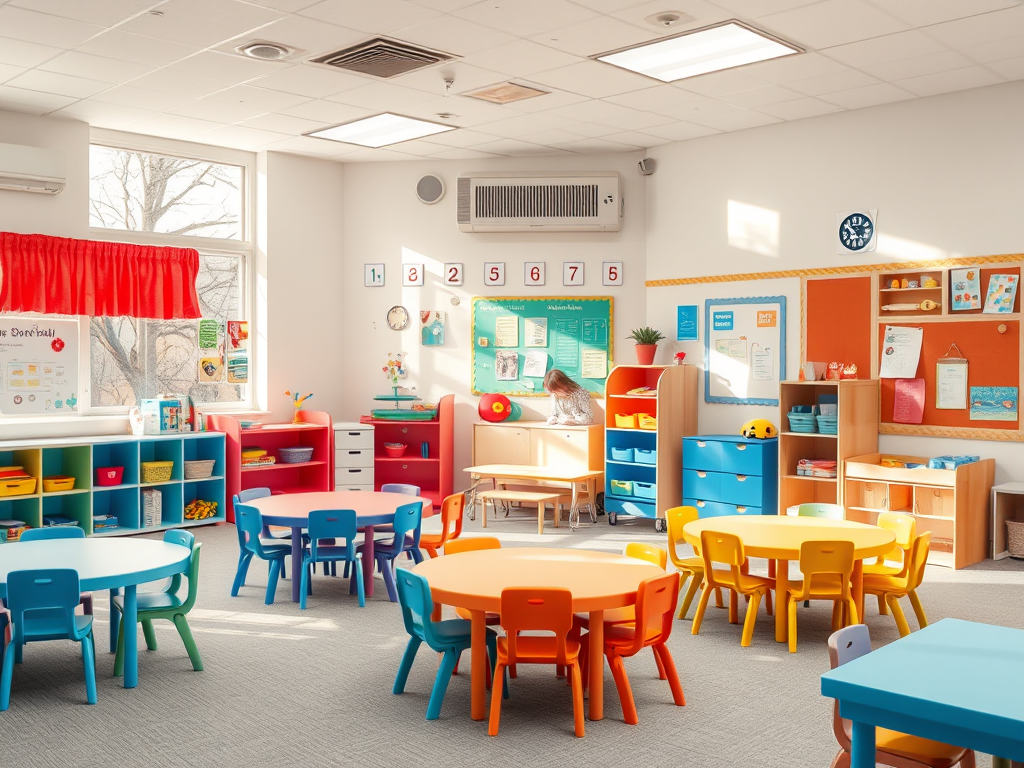
In Early Years classrooms, the learning environment is often thought of as the other teacher—a co-facilitator, a silent guide, an invitation to explore and discover. But once children reach Year 1, we tend to change tack. Less so of the role-play corners and open-ended invitations. In come whiteboards, pencil grips, and carpet sessions.
What if we didn’t have to choose?
Continuous provision, when thoughtfully designed and rooted in curriculum objectives, allows children to access learning independently, with depth and creativity. It isn’t just ‘play’—it’s provision. It teaches. And when it’s embedded well, it becomes an essential part of classroom practice, not an add-on.
A Framework You Already HaveWhen I developed the resource below, I used the Year 1 National Curriculum as my framework—breaking it down subject by subject and objective by objective, and then exploring how children might meet each one through independent, creative play.
For teachers in older year groups who are curious about continuous provision but unsure where to begin, this might be the key: you already have the framework. It’s the National Curriculum. The challenge is not in creating new content—but in re-imagining how that content can be accessed. How might a child explore this skill through play? Through collaboration? Through purposeful independence?
Ideas for Extending Continuous Provision into Year 1
Using the National Curriculum as a Framework for Independent LearningMathematics Numbers and the Number System 1.1 Count to and across 100: Number Line Adventure – Create a paper or cardboard number line with large numbers. Provide a small toy or figurine for each child. Children move their toy along the number line, counting as they go. This can be done independently, and they can choose their favourite toys for the adventure. Number Hunt Cards – Prepare cards with pictures of objects and corresponding numbers. Children independently search for objects in the classroom or play area and match them to the numbers on their cards, reinforcing counting skills. 1.3 Given a number, identify one more and one less: Number Tower Match – Provide building blocks with numbers on them. Children independently match blocks with numbers one more or one less than a given number. They can then build a tower using the matched blocks. Number Path – Create a path with numbered stepping-stones on the floor. Children follow the path, hopping from one stone to another while identifying numbers one more or one less than the current stone. Calculation – Addition and Subtraction 1.2 Represent and use number bonds within 20: Number Bond Stamping – Provide stampers with numbers and pictures representing objects. Children independently create number bonds by stamping the corresponding numbers and pictures on paper. Puzzle Pairs – Create puzzle pieces with numbers that form number bonds. Children independently match the puzzle pieces to create complete number bonds. 1.4 Solve one-step problems involving addition and subtraction: Story Problem Cards – Create simple story problem cards with pictures. Children independently choose a card, solve the problem using counters or drawings, and check their answers using the pictures. Equation Tiles – Provide tiles with numbers and symbols. Children independently create addition and subtraction equations using the tiles, using pictures or objects for representation. Calculation – Multiplication and Division 1.1 Solve one-step problems involving multiplication and division: Array Artwork – Give each child a small canvas or paper. Provide materials for creating visual arrays. Children independently create artwork by arranging objects in arrays, reinforcing the concept of multiplication. Division Drawings – Provide drawing materials and cards with simple division problems. Children independently draw pictures representing the division problems and share their solutions. Measures 1.1 Compare, describe, and solve practical problems: Measurement Exploration Cards – Prepare cards with pictures of objects for each measurement type (length, weight, capacity, time). Children independently explore the classroom, finding objects and matching them to the appropriate measurement category on their cards. Coin Counting Mat – Create mats with pictures of coins. Children independently count and match plastic or cardboard coins to the pictures on the mats, reinforcing recognition and value. 1.6 Tell the time to the hour and half past the hour: Clock Craft – Provide pre-cut clock faces and hour/minute hands. Children independently assemble their clocks, draw the hands to represent specific times, and practice telling time Time Puzzle – Create time puzzle pieces with clock faces and digital times. Children independently match the puzzle pieces to create pairs of matching times. Shape and Space 1.1 Recognise and name common 2-D and 3-D shapes: Shape Sorting – Provide bins or boxes labelled with shape names. Children independently sort small objects (cut-outs, small toys) into the corresponding shape containers. Shape Dot-to-Dot – Create dot-to-dot worksheets with shapes. Children independently connect the dots to reveal the shape and then colour it in. 1.2 Describe position, directions, and movements: Positional Play Mat – Create a play mat with labelled positions (e.g., in, on, under). Children independently place toys or objects in the correct positions on the mat. Shape Hunt Bingo – Prepare Bingo cards with positional words (e.g., next to, behind, between) and shape pictures. Children independently find and mark the corresponding positions on their Bingo cards as they discover shapes in the room. Reading Word Reading 1.1 Apply phonic knowledge and skills as the route to decode words: Phonics Bingo – Create bingo cards with words that include phonemes taught in class. Children independently read the words when called out by the teacher and cover the corresponding words on their bingo cards. Phoneme Hunt – Provide books or texts with specific phonemes highlighted. Children independently hunt for words containing the targeted phonemes, practicing decoding skills. 1.3 Read accurately by blending sounds in unfamiliar words: Word Building Station – Set up a station with cards featuring unfamiliar words and corresponding pictures. Children independently blend the sounds to pronounce the unfamiliar words and match them to the correct pictures. Nonsense Word Puzzles – Create puzzles with pictures and corresponding pieces with nonsense words. Children independently assemble the puzzles by matching the correct words to the pictures. 1.4 Read common exception words: Exception Word Memory – Create pairs of cards with common exception words. Children independently play a memory game, matching cards with the same words. This reinforces recognition of common exception words. Exception Word Scavenger Hunt – Hide cards with common exception words around the room. Children independently search for and collect the cards, reading the words aloud as they find them. 1.5 Read words containing taught grapheme-phoneme correspondences and endings: Word Endings Sorting – Provide cards with base words and cards with different endings (-s, -es, -ing, -ed, -er, -est). Children independently match the correct ending cards to the base words, reinforcing understanding of grapheme-phoneme correspondences. Reading Sentences with Endings – Create sentences with words containing various endings. Children independently read the sentences, emphasizing the correct pronunciation of words with different endings. Reading Comprehension 1.1 Listen to and discuss a wide range of poems, stories, and non-fiction: Reading Corner Book Talks – Set up a cosy reading corner with a selection of books. Children independently choose a book, read it silently, and then discuss their book with a friend or in a group, sharing what they liked about the story. Author’s Chair – Designate a special chair as the “Author’s Chair.” Children independently select a book they enjoyed, sit in the chair, and share why they liked the book with the class. 1.3 Become very familiar with key stories, fairy stories, and traditional tales: Story Elements Sorting – Provide cards with story elements (characters, settings, events). Children independently read or listen to a story and sort the cards based on the elements they identify in the story. Story Retelling Station – Set up a station with picture cards representing key events in a story. Children independently use the cards to retell the story, reinforcing comprehension and sequencing skills. 1.4 Recognize and join in with predictable phrases: Predictable Phrase Flip Chart – Create a flip chart with common phrases or sentences from a familiar book. Children independently flip through the chart, reading and joining in with the predictable phrases. Sentence Strip Predictions – Provide sentence strips with missing predictable phrases. Children independently predict and fill in the missing phrases, reinforcing their ability to anticipate and join in while reading. 1.7 Explain clearly their understanding of what is read to them: Book Review Station – Set up a station with book review templates. After reading independently, children fill out a book review, explaining what they liked, disliked, and what they learned from the book. Reading Response Journals – Provide journals where children independently write or draw their responses to what they read. This could include their favourite part, connections to their own experiences, or questions they have about the text. Writing Writing – Transcription Spelling 1.1 Spell words containing each of the 40+ phonemes taught: Phonics Word Hunt – Place cards around the classroom or outdoor area with pictures and words containing different phonemes. Children independently go on a word hunt, matching the words to the corresponding pictures and saying the sounds aloud. Phoneme Sorting Mats – Provide mats labelled with different phonemes. Children independently sort small objects or cards with words based on their phonemic components onto the corresponding mats. 1.2 Name the letters of the alphabet: Alphabet Letter Sorting – Set up a station with objects or pictures representing each letter of the alphabet. Children independently sort the objects/pictures into letter categories, reinforcing letter recognition. Alphabet Writing Cards – Provide cards with letters of the alphabet. Children independently practice writing the letters and matching them to objects or pictures that begin with the corresponding letter sound. 1.3 Add prefixes and suffixes: Prefix and Suffix Puzzles – Create puzzles with root words and separate pieces for prefixes and suffixes. Children independently match the pieces to form complete words, focusing on the correct use of prefixes and suffixes. Plural Marker Sorting – Provide cards with singular nouns. Children independently add -s or -es to form plurals, sorting the cards based on the correct plural marker. 1.5 Write from memory simple sentences dictated by the teacher: Sentence Building Station – Set up a station with sentence cards and word cards. Children independently select word cards to construct sentences dictated by the teacher, practicing spelling and word recall. Dictation Drawing – Dictate simple sentences to the children. After writing the sentences, they independently illustrate the sentences to reinforce understanding and memory. Handwriting Writing – 1.1 Sit correctly at a table, holding a pencil comfortably and correctly: Pencil Grip Practice – Provide various writing tools and worksheets with different shapes. Children independently practice holding pencils correctly, drawing lines, circles, and shapes to strengthen their grip. Seating Spot Check – Create designated “seating spots” with visual cues for correct posture. Children independently choose and sit in their spots, ensuring they are sitting correctly before beginning writing activities. 1.2 Begin to form lower-case letters in the correct direction: Lowercase Letter Playdough Mats – Provide playdough and mats with lowercase letters. Children independently roll playdough to form the letters, reinforcing correct letter formation. Letter Tracing Cards – Prepare cards with dotted letters. Children independently use their fingers or pencils to trace the letters on the cards, practicing the correct direction. Writing – Composition 1.1 Write sentences by saying out loud what they are going to write about: Sentence Starters Jar – Fill a jar with sentence starters or story prompts. Children independently choose a card, say aloud what they will write about, and then write sentences based on their chosen prompts. Picture Sequencing Stories – Provide picture cards that tell a story when arranged in order. Children independently select cards and use them to compose sentences, focusing on sequencing and narrating their own stories. 1.2 Discuss what they have written with the teacher or other pupils: Writing Reflection Journals – Give each child a writing reflection journal. After completing a writing task independently, they draw a picture or write a reflection about what they enjoyed or found challenging. Teachers can later discuss these reflections with individuals or groups. Peer Feedback Pairs – Pair children up and have them share their written work with a peer. They discuss what they liked about each other’s writing and offer constructive feedback independently. Writing – Vocabulary, Grammar & Punctuation 1.1 Develop their understanding of the concepts set out in English Appendix 2: Sentence Punctuation Sort – Provide cards with sentences missing punctuation. Children independently add the correct punctuation (capital letter, full stop, question mark, exclamation mark) to the sentences and then sort them based on punctuation type. Sentence Building with ‘And’ – Set up a station with word cards. Children independently create sentences using the word ‘and’ to join clauses, practicing the concept of joining words and clauses. 1.2 Use the grammatical terminology in English Appendix 2: Grammar Terminology Match – Create cards with grammatical terms and their definitions. Children independently match the terms to their correct definitions, reinforcing the use of grammatical terminology. Grammar Discussion Station – Set up a station with sentence cards. Children independently read the sentences and discuss the grammar concepts used, using the terminology from English Appendix 2.
An Invitation
Continuous provision isn’t just about letting children ‘play.’ It’s about offering purposeful, scaffolded, curriculum-linked opportunities to explore concepts independently. It’s about ensuring that the classroom environment keeps doing the heavy lifting even when an adult can’t be everywhere at once.
And perhaps most importantly, it’s about recognising that many of our learners—particularly those with SEND, those with anxiety, those whose developmental stages haven’t caught up with the calendar—still need this approach.
So the invitation is this:
- Can we extend the thinking behind continuous provision into Year 2, Year 3 and beyond?
- Can we stop viewing adult-led instruction as the only legitimate way to meet curriculum goals?
- And can we start to see our classrooms themselves as skilled co-educators, shaping and supporting learning through the choices we make about space, time and resources?
I’d love to hear what you’re trying in your own setting!
-
Sensory Activities for Inclusive Classrooms: A Guide to Sensology

What is Sensology?
Sensology is a fantastic, engaging approach based on Flo Longhorn’s Sensology Workout, designed to stimulate the senses and promote engagement for children with diverse needs, including those with PMLD, SEMH, and neurodiversity. This approach works well in a variety of settings—one-to-one, small groups, or even whole-class sessions.
The beauty of Sensology lies in its flexibility and creativity—it’s an opportunity to bring joy and connection to learning. Whether you’re a teacher, SENDCo, or support staff, this is a wonderful way to reignite curiosity and exploration in the classroom.
Structuring a Sensology Session

A well-structured Sensology session follows a predictable pattern, helping children feel secure while building anticipation.
- Visual Timetable:
- Using Widgit symbols (see my previous post on Widgit Online) can provide a clear structure.
- Print A4-sized symbols for each section/sense and remove them as you progress.
- Welcome Song:
- Familiar songs help settle children and cue them into the session.
- You could use the Little Amber Trust’s music resources (see my previous post on the Little Amber Trust) or choose a song children know well.
- This isn’t just a routine—it’s a chance to start with warmth and inclusion.
- “This is Me” Activity:
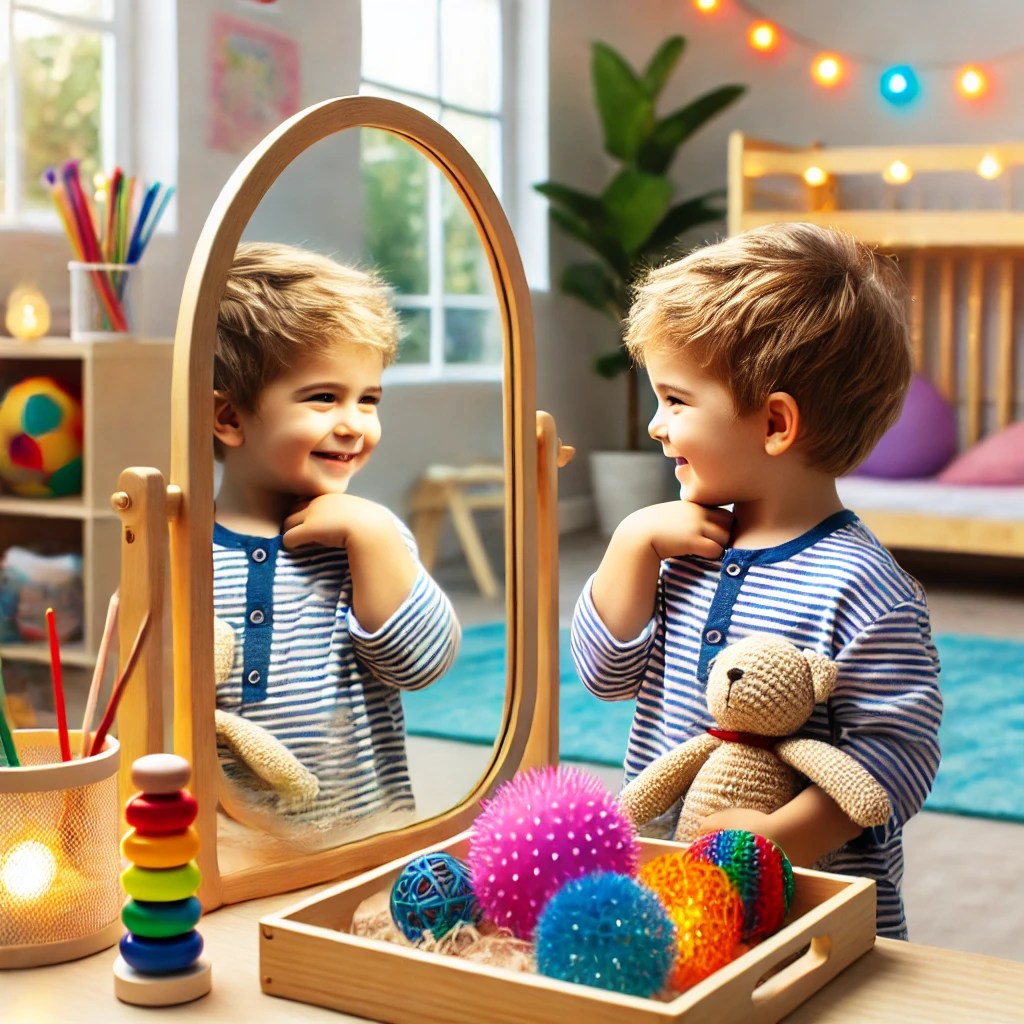
- Encourage children to explore their faces with mirrors.
- Play This Is Me from The Greatest Showman for added engagement.
- A simple, empowering moment to build self-awareness and confidence.
Exploring the Five Senses
Each sense is explored individually, using interactive activities, songs, and multi-sensory resources.
1. Sight (Eyes)

- Sing to the tune of Mary Had a Little Lamb:
On my face I have two eyes, I have two eyes, I have two eyes. On my face I have two eyes, I use my eyes to see. - A great activity is using a paint spinner—spin the paper and drop paint to create a visual ‘wow’ moment.
- Don’t be afraid to experiment—these small moments of wonder make learning unforgettable!
2. Hearing (Ears)

- Use the same song structure with new body parts and senses.
- Explore different sounds: bells, rainmakers, shakers, and recorded sounds.
- Encourage children to listen, react, and express themselves.
3. Smell (Nose)

- Offer various scents such as coffee, chocolate, perfume, or essential oils.
- Encourage children to respond to the scents, whether through body language, facial expressions, or vocalisations.
- This is a great way to bring sensory exploration into the mix.
4. Taste (Mouth)

- Provide small, safe samples of contrasting flavours (sweet, sour, salty).
- Use descriptive language to support communication and choice-making.
- Every bite is an opportunity to explore, communicate, and react.
5. Touch (Hands)

- Offer a variety of textures (tin foil, fabric, feathers, playdough).
- Encourage children to respond to how each texture feels.
- Sensory exploration fosters curiosity, focus, and connection to the world.
Movement Break

After exploring the senses, it’s great to incorporate movement.
- Use YouTube videos like GoNoodle.
- Include percussion instruments.
- Subtly incorporate proprioception and interoception strategies.
- Finish with bubbles—always a favourite!
- Movement is a powerful tool to help children reset and regulate.
Adaptability and Accessibility

- Use what you have—resources don’t need to be expensive. Many Attention Autism materials can be repurposed.
- Thematic Sensology—sessions can be linked to classroom topics, making learning more inclusive and meaningful.
- Integrate with other approaches—Makaton, pupil voice, and emotional regulation strategies can be seamlessly included.
- Team Teaching & Assessment—Great for formative assessment, engagement model observations, and collaborative teaching.
Final Thoughts
Sensology isn’t just a session—it’s an opportunity to create meaningful moments. Whether it’s a look of delight when a child experiences a new texture, or the confidence gained from recognising their own reflection, these small experiences build towards bigger connections and greater engagement.
I truly believe Sensology offers a gentle but powerful way to support all learners in accessing the curriculum in their own way. Give it a go, embrace creativity, and most importantly—have fun!
Recommended Resources
- YouTube Video: Watch this session for inspiration (credit to Jessica Macleod for her insightful demonstration, which helped me visualise how to structure these sessions).
- Flo Longhorn’s Sensology Book: Free download available.
- Visual Timetable:
-
Solution-Focused Approaches: Empowering Inclusive and Reflective Practice

Inclusion is a journey, not a destination. Recently, I had the privilege of working with a primary school committed to fostering inclusive and reflective practices. Through one-to-one conversations with teachers and a collaborative staff meeting, we explored ways to enhance teaching and learning by focusing on solution-focused strategies, quality first teaching (QFT), and fostering a positive mindset.
Solution-Focused Conversations: Building Strengths and Strategies
One of the highlights of the day was engaging in one-to-one solution-focused conversations with teachers. These conversations provided a safe and reflective space for teachers to explore their strengths, challenges, and aspirations.
- Empowering self-regulation: In one classroom, a teacher shared her challenges with a pupil who struggles with self-regulation. We discussed developing a visual hierarchy of trusted adults to support the child when their primary point of contact was unavailable. This strategy aims to provide predictability and reduce instances where the child might feel unsupported.
- Flexibility in teaching methods: Another teacher reflected on the importance of adapting lessons to suit the needs of all learners. From using iPads and creative tools like PicCollage to engaging students through interactive presentations, we explored how technology can foster inclusion while maintaining learning objectives.
- Balancing academic and pastoral priorities: A common theme was the challenge of balancing academic rigour with the pastoral needs of students. For example, a Year 5 teacher expressed concerns about fitting interventions like Lexia into an already packed schedule. Together, we identified ways to integrate interventions seamlessly into daily routines, such as using them during transition times or as part of morning activities.
Reflective Practice: A Tool for Growth

Solution-focused approaches are inherently reflective, encouraging teachers to identify what works well and how they can build on it. This day of conversations highlighted how reflection can drive growth and innovation.
- Creating a bank of strategies: For teachers facing behaviour challenges, we discussed the value of developing a “bank” of proactive strategies. Rotating strategies not only keeps students engaged but also ensures that teachers have tools at their disposal to address unexpected behaviours.
- Sharing successes and solutions: Reflective conversations also highlighted the importance of celebrating what is working well. For example, a teacher managing a class with diverse needs shared how a success-oriented spelling group had transformed the confidence of lower-ability pupils. By focusing on achievable goals, she created a culture of success and motivation.
Inclusion as a Mindset

Inclusion is more than a set of strategies—it is a mindset. During the staff meeting, we explored how Quality First Teaching (QFT) aligns with the school’s ethos of developing confident, inquisitive, and happy learners.
- Building belonging: Teachers reflected on how to create a sense of belonging for all pupils. Strategies included using mixed-ability pairings to promote peer learning and embedding small, inclusive practices into daily routines.
- Transitioning with care: Transition points, such as moving to secondary school, were discussed as moments where inclusion can be especially impactful. Teachers recognised the importance of engaging parents early and preparing pupils for change with empathy and support.
Solution-Focused Strategies: A Bank of Ideas

To inspire and empower others, here’s a bank of solution-focused strategies identified during the day:
- Self-Regulation Support:
- Develop a visual hierarchy of trusted adults for children who struggle with self-regulation.
- Build preemptive sensory activities (e.g., outdoor running, heavy work) into daily routines.
- Flexible and Inclusive Teaching:
- Use creative tools like PicCollage and iPads to adapt lessons for diverse learners.
- Introduce mixed-ability pairings to foster peer learning and inclusion.
- Intervention Integration:
- Embed tools like Lexia into morning routines or transition times.
- Prioritise manageable interventions focusing on key skills (e.g., spelling, handwriting).
- Proactive Behaviour Management:
- Create a “bank” of behaviour strategies to rotate and keep students engaged.
- Reframe control-seeking behaviour as a need for certainty or responsibility.
- Support for EAL and Selective Mute Pupils:
- Use Widgit communication boards or other visual supports to aid communication.
- Provide structured verbal interaction opportunities to build confidence.
- Technology for Inclusion and Efficiency:
- Explore AI tools like Microsoft Copilot to streamline planning and reduce workload.
- Use iPads for self-assessment, enabling students to take ownership of their learning.
- Collaboration and Reflection:
- Build regular reflective practices into staff meetings or individual routines.
- Celebrate and share successful strategies to create a culture of collaboration.
Final Thoughts

The day was a testament to the power of solution-focused approaches, reflective practice, and a shared commitment to inclusion. By creating space for honest conversations and collaborative problem-solving, this school is taking meaningful steps toward ensuring every child feels valued and supported.
Whether it’s developing a sensory activity timetable, fostering stronger relationships with parents, or embedding inclusive practices into everyday teaching, the work of inclusion is never finished. It’s a journey of reflection, collaboration, and growth—and one that I’m proud to be part of.
-
Finding the Right Nook: A Solution-Focused Approach to Supporting SEND Pupils

Supporting children with SEND often means looking beyond the obvious and creating opportunities for them to thrive. Recently, I had the privilege of working with “Billy,” a wonderful Year 3 pupil who reminded me just how much small adjustments can lead to big changes.
Starting with Billy’s VoiceWhen I first met Billy, I knew he faced significant challenges: sensory sensitivities, SEMH needs, and struggles with noise and transitions. But what struck me most was how much he lit up when asked about his preferences.
To open up the conversation, I played a quick game of “Would You Rather.” His answers were revealing:
- Would you rather talk to animals or speak every language in the world?
He said, “Languages, so I can talk to everyone.” - Would you rather live in a treehouse or a submarine?
He chose the treehouse—he loves climbing.
Through his choices and reasoning, Billy shared what made him tick: creativity, connection, and control over his environment.
This activity not only broke the ice but also helped me shape a plan that felt personalised and meaningful.
The Classroom NookThe most exciting moment came during a walk through the classroom. Tucked away in the corner, there was a little nook—a space that seemed to have “Billy” written all over it. His TA, Sophie, and I encouraged him to imagine how it could become his own special area.
“Maybe I could put a curtain here,” he said, eyes lighting up. “And I could keep my things on this shelf!”
Billy was already planning how to make the space his. And that was when I realised: this nook wasn’t just a quiet area—it was an opportunity for Billy to feel included while honouring his need for calm.
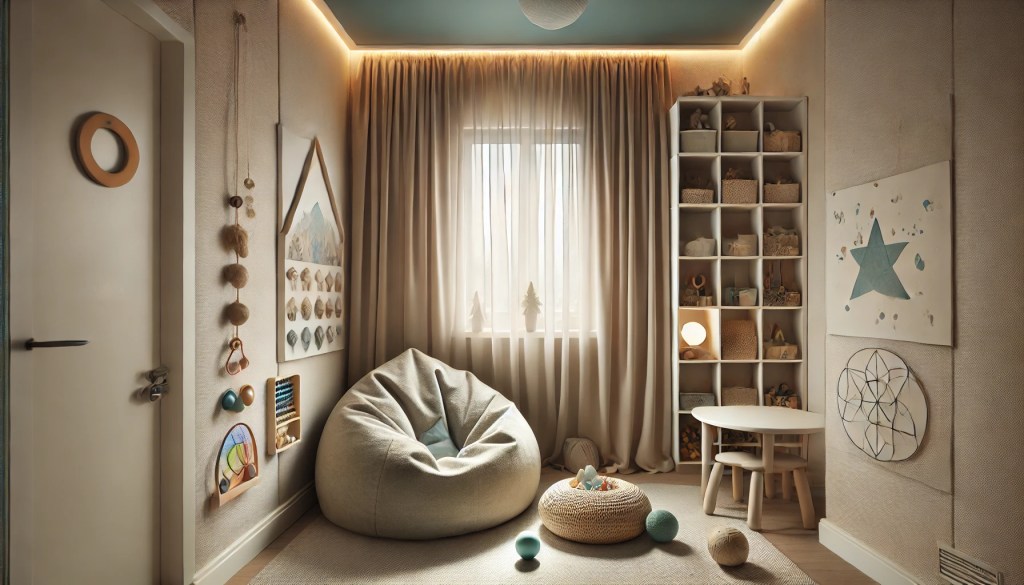
Adapting the PlanAs the idea of the nook took shape, so did our plans for how to make it an integral part of Billy’s school day. The aim is for the nook to serve not just as a quiet retreat but as a consistent space where Billy can work, regulate, and feel a sense of ownership.
Here’s what we’re planning to do:
- Teach proactive use: Build time into Billy’s schedule to use his nook throughout the day. This will help him naturally integrate the space into his routine, rather than relying on it only in moments of crisis.
- Goal-setting for positive use: Work with Billy to set simple goals like “How can your nook help you focus today?” or “Let’s see how many tasks we can finish while working here.”
- Encourage ownership as motivation: Support Billy in designing and decorating his nook to reflect his interests. This personal touch will make the space feel uniquely his and foster excitement about being in the classroom.
Building Relationships

Another focus is strengthening Billy’s connection with his class teacher, Mr. Harris. While Billy has a strong relationship with Sophie, his TA, this reliance could pose challenges if she’s ever absent.
To address this, we’ve planned to:
- Introduce morning check-ins with Mr. Harris, where he can set achievable tasks for Billy and celebrate progress together.
- Create opportunities for shared snack times or structured activities to build rapport.
- Rotate roles between Sophie and Mr. Harris, ensuring Billy works with both adults regularly.
Key Takeaways for Educators
Working with Billy reinforced some key principles I try to carry into all my work with SEND pupils:
- Start with their voice: Whether it’s a game, a conversation, or observation, listen to what they need—this will shape everything.
- Think proactive, not reactive: Adjustments like Billy’s nook work best when they’re woven into the day, not just used in moments of crisis.
- Relationships matter: Building trust with all adults involved creates a stable foundation for success.
- Celebrate small wins: Billy’s excitement about his nook reminded me that motivation often lies in the details.
Final Thoughts
As we step into the new year, I’m looking forward to seeing how Billy transforms his nook into a space that helps him thrive. But more importantly, I’m excited about what this journey has already taught me: that the right environment, tailored to a child’s needs, can turn a challenge into a triumph.
What’s been your most rewarding experience supporting a child with SEND? I’d love to hear your thoughts in the comments below!
- Would you rather talk to animals or speak every language in the world?
-
Embracing Nature with Children with PMLD: Nature Senses Journey Program

Introduction
As a peripatetic SEND teacher working across mainstream primary and nursery schools, I believe in the transformative power of nature to inspire, heal, and educate. My latest initiative, the “Nature Senses Journey” program, is designed specifically for children with profound and multiple learning disabilities (PMLD). This program offers an inclusive, multi-sensory experience that allows every child to engage with the natural world in meaningful and enriching ways.
As we embark on the “Nature Senses Journey,” note that the program is driven by a set of core values:
Ethos Statement
- Inclusivity: Every child deserves enriching experiences. This program ensures that children with PMLD feel valued, included, and empowered to explore the wonders of nature.
- Inspiration from “Everybody Outdoors“: Guided by the inclusive approaches of The Museum of English Rural Life’s “Everybody Outdoors” resources, its aim is to create meaningful connections with nature through sensory exploration.
- Multi-Sensory Exploration: The program fosters a deeper understanding and appreciation of the natural world through varied sensory activities.
- Choice and Independence: Provide opportunities for children with PMLD to make choices and direct their own learning experiences, promoting autonomy and self-confidence.
- Love and Wonder of Nature: By immersing children in sensory-rich outdoor experiences, we can cultivate a lifelong love and curiosity for nature.
- Responsiveness and Adaptability: Recognizing diverse needs, the program is flexible, ensuring every child can participate and thrive.
- Accessibility: Designed to be accessible indoors and outdoors, this program ensures equal engagement opportunities regardless of physical limitations.
- Celebrating Diversity: Celebrate the unique abilities and contributions of every child, fostering inclusivity and acceptance within our community.
- Promoting Independence: Through hands-on experiences and supportive guidance, we can empower children to develop independence and confidence in interacting with nature.
- Nurturing Lifelong Connections: Aim to foster a sense of stewardship and responsibility for the environment, nurturing lifelong connections with nature.
Session Highlights

Session 1: Sensory Nature Walk
- Objective: Engage students in sensory exploration of the natural environment.
- Activities: Guided walk with stops for tactile, olfactory, and auditory exploration. Activities include feeling tree bark, smelling flowers, and listening to bird songs.
- Enhancements: Use visual schedules or picture cards to help children anticipate the sequence of activities. Bring a spray bottle for misting leaves to enhance tactile and visual engagement.
Session 2: Nature Sensory Storytime

- Objective: Encourage sensory engagement through storytelling.
- Activities: Storytelling with simple, repetitive stories or songs incorporating tactile props like soft balls and textured fabrics.
- Enhancements: Incorporate nature sounds or simple instruments to complement the storytelling. Provide options for children to express their responses through touch, gesture, or vocalization.
Session 3: Exploring the Sensory Garden

- Objective: Introduce students to sensory experiences in a garden setting.
- Activities: Hands-on exploration of sensory-rich plants, focusing on textures and scents.
- Enhancements: Use sensory-friendly gardening tools or gloves for children sensitive to certain textures. Highlight different plants and their sensory properties with color-coded markers or ribbons.
Session 4: Wildlife Observation and Interaction

- Objective: Facilitate observation and interaction with local wildlife.
- Activities: Observation stations with bird feeders or insect containers, using visual aids to draw attention to wildlife.
- Enhancements: Introduce magnifying glasses or simple binoculars for a closer look. Follow up with simple crafts or drawings of observed wildlife.
Session 5: Sensory Exploration Stations

- Objective: Provide opportunities for hands-on sensory exploration.
- Activities: Stations featuring tactile materials like sand, pebbles, and textured fabrics, along with sensory toys like rattles and soft balls.
- Enhancements: Rotate stations regularly to keep activities fresh. Include water play with different temperatures or textures for added engagement.
Session 6: Nature’s Senses Reflection and Celebration
- Objective: Reflect on and celebrate sensory experiences in nature.
- Activities: Reflection and sharing of favorite sensory experiences, with sensory-rich snacks and calming background music.
- Enhancements: Provide a sensory journal or scrapbook for children to add items from their sensory experiences. Conclude with a photo slideshow or video montage celebrating their journey.
Embracing Outdoor Learning
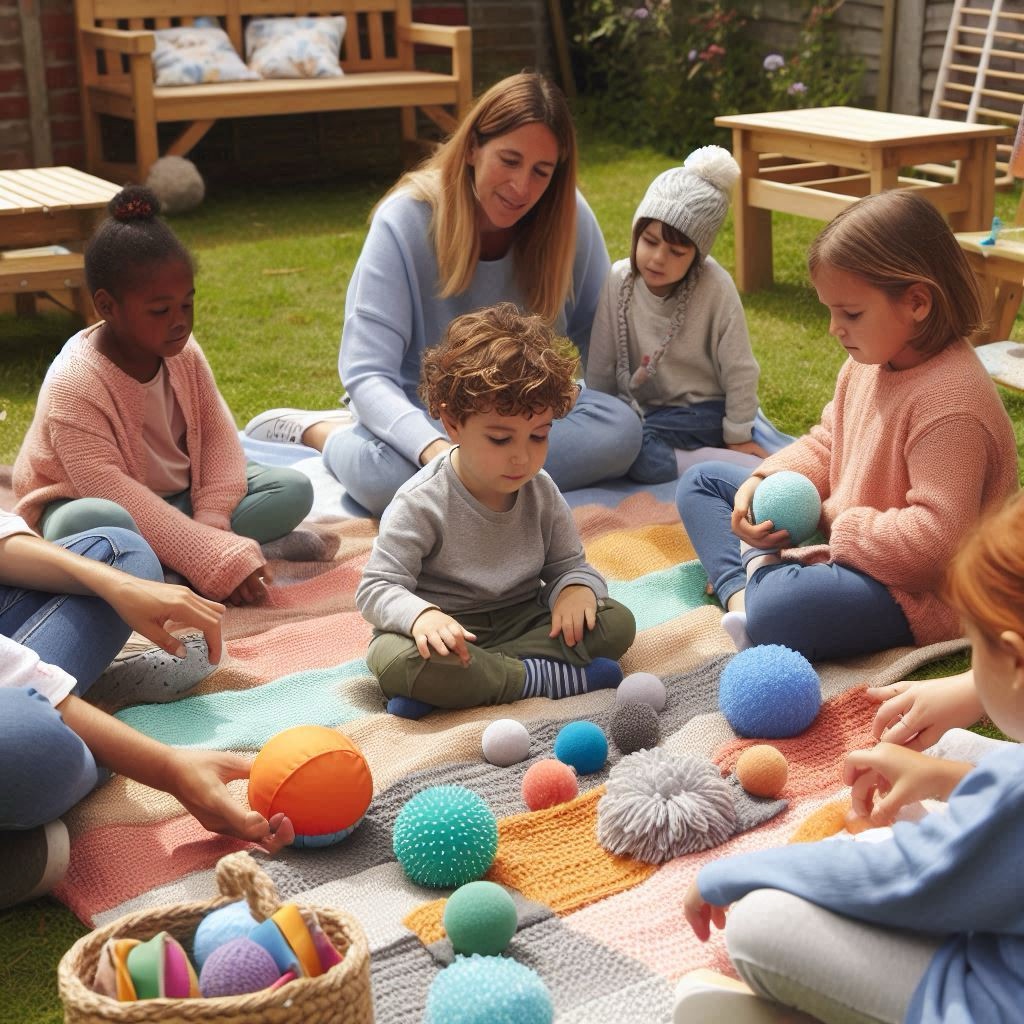
Working across different schools, I’ve seen firsthand the challenges and rewards of enabling access to outdoor learning for children with complex needs. While it can be intimidating to ensure every child’s needs are met, the benefits far outweigh the challenges. Here are a few tips to help you get started:
- Start Small: Begin with short, manageable activities that can be easily adapted as you observe how the children respond.
- Use Familiar Environments: Utilize familiar outdoor spaces to help children feel more comfortable and secure.
- Be Flexible: Adapt activities based on the children’s responses and be prepared to change plans if needed.
- Engage the Senses: Focus on multi-sensory experiences to provide varied and enriching interactions with nature.
- Celebrate Successes: Take time to celebrate each child’s achievements, no matter how small.
Our “Nature Senses Journey” program is more than just a series of activities; it’s a celebration of the unique ways children with PMLD can connect with the natural world. Through thoughtful, sensory-rich experiences, we aim to instill a lifelong love and curiosity for nature in every child. Join us in celebrating the beauty and wonder of nature, one sensory journey at a time.
-
Little Amber Trust: Empowering Children with SEND/PMLD Through Inclusive Music Education
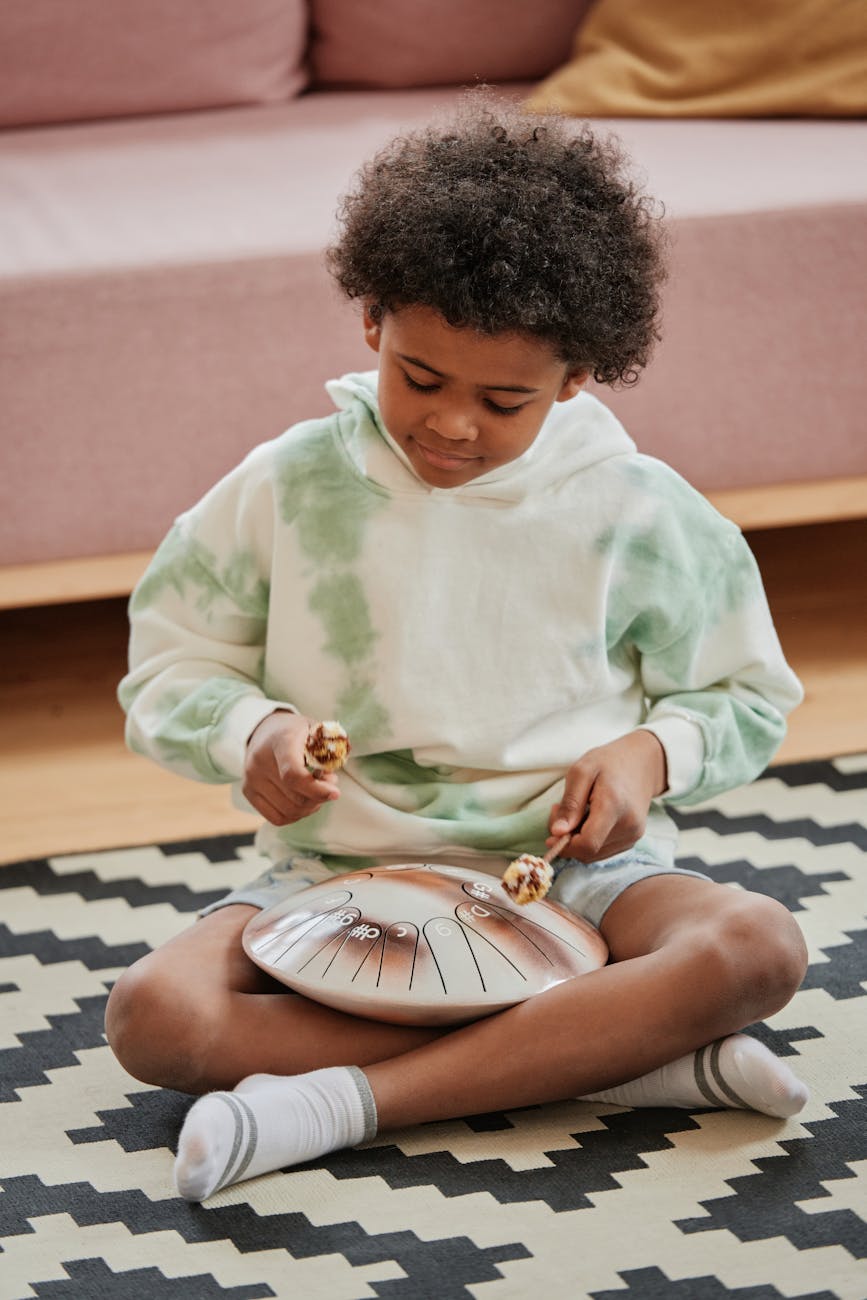
Photo by Boris Pavlikovsky on Pexels.com Introduction:
As a peripatetic SEND teacher specializing in mainstream Early Years and Primary settings, I’m deeply committed to providing tailored support for children with Special Educational Needs and Disabilities (SEND). With a dedicated caseload, many of whom are children with Profound and Multiple Learning Difficulties (PMLD) and speech and language difficulties, I constantly seek innovative ways to engage and empower my students.
Recognizing the transformative power of music in educational settings, I was drawn to the remarkable resources offered by the Little Amber Trust. Founded on the principle that music is a vital tool for the development and well-being of visually impaired children, Little Amber Trust’s mission resonates deeply with my own beliefs about the importance of inclusive and enriching learning experiences for all children.
The Little Amber scheme, specifically designed to support families in engaging in musical activities with their blind or partially sighted children in the early years, aligns perfectly with my goals as an educator. Music not only fosters bonding between children and their caregivers but also plays a crucial role in language development, sensory exploration, and overall enjoyment.
In this blog post, I’m excited to share how I’ve integrated Little Amber Trust’s resources into a 12-week music program tailored to the unique needs of my caseload, particularly focusing on promoting speech and language, attention, interaction, and overall engagement among my students. Through this journey, I hope to inspire fellow educators and caregivers to explore the transformative potential of music in supporting children with SEND.
About Little Amber Trust:

Photo by juliane sanchez on Pexels.com The Little Amber Trust is a remarkable initiative dedicated to supporting families in engaging with music activities for visually impaired children in the early years. Rooted in the belief that music plays a vital role in the development and well-being of children, especially those with special educational needs and profound and multiple learning disabilities (SEND/PMLD), Little Amber Trust offers a wealth of resources designed to stimulate cognitive, sensory, and motor skills in a supportive and inclusive environment.
Rationale for Engaging with the Little Amber Music Scheme:
When designing my 12-week music program for children with SEND, particularly those with PMLD, I found profound resonance with the principles underlying the Little Amber Music Scheme. Here’s a breakdown of why I chose to incorporate their resources:
1. Developmental Growth:
The Little Amber Music Scheme is meticulously crafted to support the developmental growth of children with SEND/PMLD. By offering tailored activities that target various stages of musical development, the program stimulates cognitive, sensory, and motor skills within an inclusive setting.
2. Multi-Sensory Experience:
Music is a powerful medium that engages multiple senses simultaneously. The Little Amber Music Scheme harnesses this power by providing a wide range of sensory experiences, including auditory, visual, tactile, and proprioceptive stimuli. This multi-sensory approach creates a rich and immersive learning environment that resonates deeply with children of diverse abilities.
3. Communication and Expression:
Communication can often be challenging for children with SEND/PMLD. The Little Amber Music Scheme provides valuable opportunities for children to express themselves and communicate with others through music. Whether vocalizing, using gestures, or participating in musical dialogues, children are encouraged to engage in meaningful interactions that foster social connection and emotional expression.
4. Engagement and Motivation:
Music has a unique ability to capture attention and motivate participation. Through a variety of engaging activities tailored to individual interests and preferences, the Little Amber Music Scheme encourages active participation and promotes a positive attitude towards learning among children with SEND/PMLD.
5. Inclusive Practice:
Inclusion lies at the heart of the Little Amber Music Scheme. Recognizing the diverse needs and abilities of children with SEND/PMLD, the program strives to create a supportive and inclusive learning environment where every child can succeed. By offering adaptable activities that cater to different levels of ability, the program promotes equality of access and celebrates the unique strengths of each child.
6. Holistic Development:
Music has been shown to have a profound impact on holistic development, encompassing cognitive, physical, emotional, and social domains. The Little Amber Music Scheme takes a holistic approach to learning, recognizing the interconnectedness of these domains and the importance of addressing the needs of the whole child. Through meaningful musical experiences, the program aims to support children’s overall development and enhance their quality of life.
In summary, the Little Amber Music Scheme offers a holistic and inclusive approach to music education for children with SEND/PMLD. By providing multi-sensory experiences, promoting communication and expression, and fostering engagement and motivation, the program enriches the lives of children and supports their ongoing development in meaningful and impactful ways.
Creating the 12-Week Program:

Photo by RDNE Stock project on Pexels.com Drawing from the wealth of resources provided by the Little Amber Trust, I structured the 12-week music program into two distinct levels, each comprising six engaging sessions. Below is an overview of the sessions and their key components, while my program can be found here :
Level 2 – ‘Sounds Interesting’ (Sessions 1-6):
1. Session 1: Vocal Exploration
– Introduction to vocal exploration activities
– Reactive, proactive, and interactive activities focused on encouraging vocalizations and responses
– Conclusion with a review and reflection on the session’s activities
2. Session 2: Sound Play with Everyday Objects
– Introduction to sound play using everyday objects
– Activities incorporating reactive, proactive, and interactive elements to explore sound through tactile experiences
– Conclusion with a review and discussion of favourite sounds and objects
3. Session 3: Outdoor Sound Adventure
– Introduction to outdoor sound exploration
– Reactive, proactive, and interactive activities conducted outdoors to engage with natural sounds
– Conclusion with a review and sharing of outdoor experiences
4. Session 4: Sensory Sound Exploration
– Introduction to sensory sound exploration using different materials and instruments
– Activities focused on tactile and auditory sensory experiences
– Conclusion with a review and discussion of musical sounds explored during the session
5. Session 5: Vocal Play and Interaction
– Introduction to vocal play and interaction activities
– Activities incorporating vocal storytelling, movement, and use of props
– Conclusion with a review and sharing of vocal interactions and storytelling experiences
6. Session 6: Exploring Natural Sounds
– Introduction to exploring natural sounds in the outdoor environment
– Activities focused on outdoor sensory experiences and sound exploration
– Conclusion with a review and discussion of outdoor sounds and experiences
Level 3 – ‘Copy Me, Copy You’ (Sessions 7-12):
7. Session 7: Exploring Vocal Patterns
– Introduction to vocal patterns and imitation activities
– Activities focused on modeling, creating, and exchanging vocal patterns
– Conclusion with a review and discussion of vocal patterns explored during the session
8. Session 8: Movement and Rhythm
– Introduction to movement and rhythm activities
– Activities incorporating rhythmic movements, use of props, and partner/group interactions
– Conclusion with a review and sharing of favourite movements and rhythmic experiences
9. Session 9: Exploring Sound Makers
– Introduction to different sound makers and instruments
– Activities focused on exploration, creation, and collaboration using sound makers
– Conclusion with a review and discussion of sound makers and favourite sounds
10. Session 10: Sound Symbols and Associations
– Introduction to sound symbols and their associations
– Activities incorporating identification, creation, and communication using sound symbols
– Conclusion with a review and sharing of associations and experiences with sound symbols
11. Session 11: Vocal Turn-Taking
– Introduction to turn-taking activities and vocal interactions
– Activities focused on structured turn-taking, peer interactions, and communication
– Conclusion with a review and discussion of turn-taking experiences and vocal interactions
12. Session 12: Sound Exploration with Others
– Introduction to collaborative sound exploration activities
– Activities involving group sound making, sharing instruments, and creating collaborative rhythms
– Conclusion with a review and discussion of collaborative sound exploration experiences
Each session within Level 3 builds upon the skills and concepts introduced in the earlier sessions, providing opportunities for further exploration, interaction, and development. By engaging in a variety of activities that promote imitation, collaboration, and communication, children are encouraged to expand their musical abilities and enhance their social connections.
Impact and Outcomes:
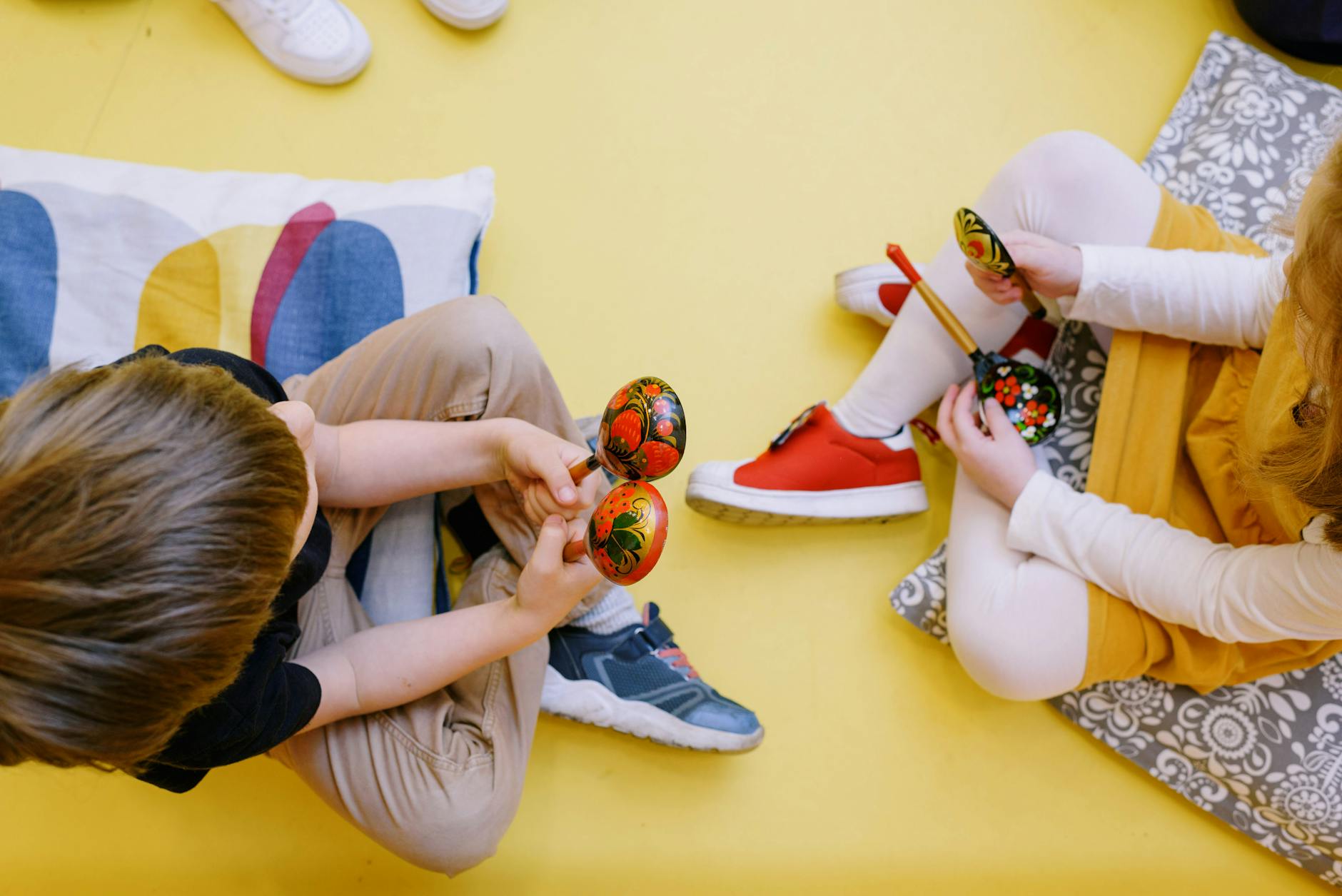
Photo by Ksenia Chernaya on Pexels.com The 12-week music program based on Little Amber Trust’s resources has yielded positive results, impacting the development and well-being of the children in my caseload. Here are some key insights into the program’s impact:
1. Developmental Progress:
Throughout the program, I observed significant growth in the children’s cognitive, sensory, and communication skills. From increased vocalizations and engagement during sessions to improved motor coordination and social interaction, the program has provided valuable opportunities for holistic development.
2. Enhanced Engagement:
One of the most notable outcomes of the program has been the enhanced engagement and motivation displayed by the children. Through interactive and multi-sensory activities, the program captivated the children’s attention and sparked their curiosity, resulting in active participation and enthusiasm during sessions.
3. Improved Communication:
For children with speech and language difficulties, the program served as a platform for expression and communication. Through vocalizations, gestures, and interactions with caregivers, children were able to communicate their preferences, emotions, and experiences, fostering meaningful connections and relationships.
4. Positive Feedback:
Feedback from caregivers and school staff has been overwhelmingly positive, with many noting the noticeable improvements in the children’s confidence, social skills, and overall well-being. Caregivers have expressed gratitude for the inclusive and enriching experiences provided by the program, emphasizing its value in supporting their child’s development.
5. Continued Growth:
As the program continues, it is evident that the impact extends beyond the sessions. Children demonstrated continued progress in their musical abilities, communication skills, and self-expression, highlighting the enduring benefits of engaging with music in an inclusive and supportive environment.
In summary, the 12-week music program has been instrumental in fostering the growth and development of the children in my caseload. Through tailored activities, meaningful interactions, and a supportive atmosphere, the program has empowered children to explore, communicate, and thrive, laying the foundation for future success and well-being.
Call to Action and Further Resources:
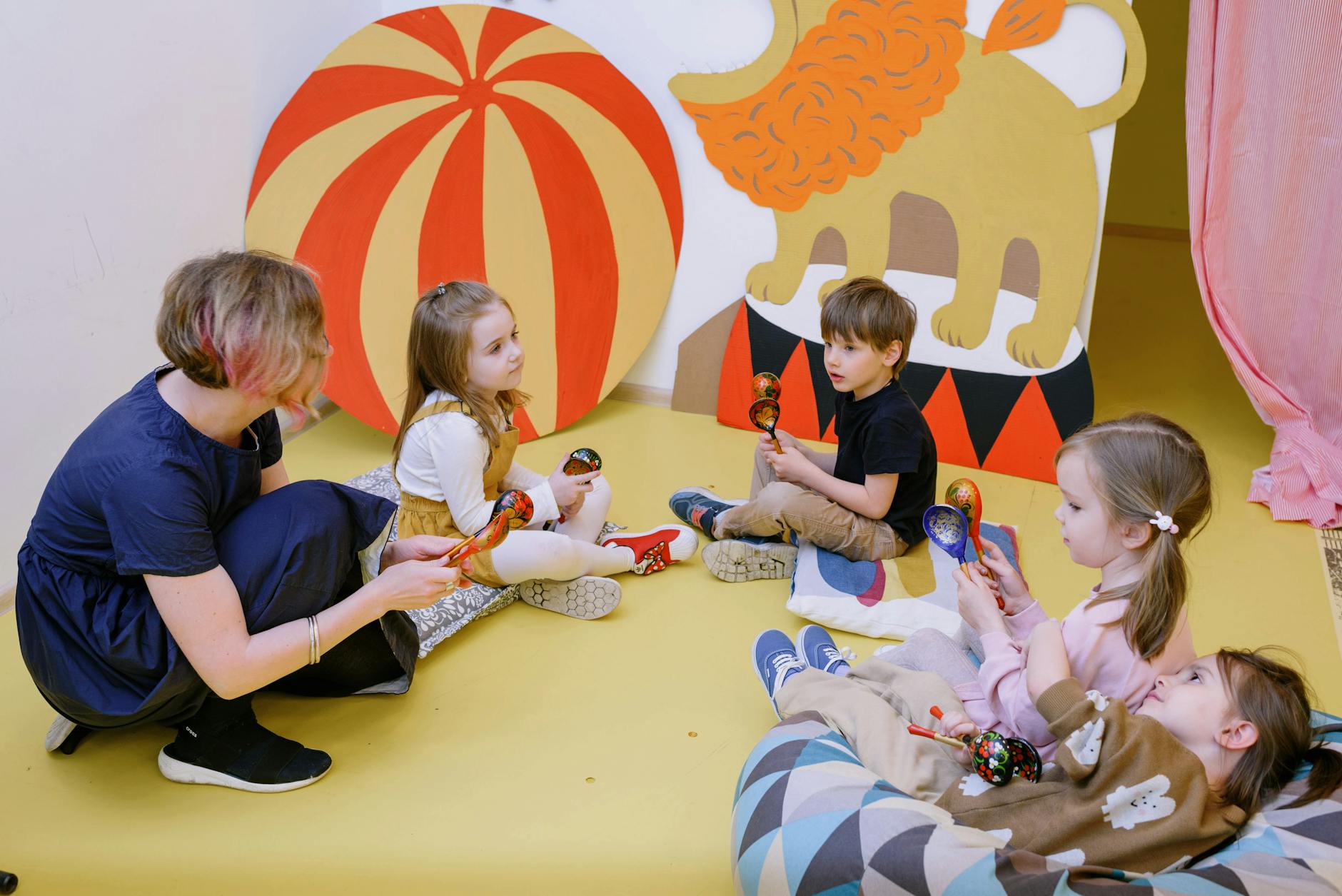
Photo by Ksenia Chernaya on Pexels.com If you’re inspired to explore music education for children with SEND/PMLD further, here are some resources to help you get started:
1. Little Amber Trust: Visit the [Little Amber Trust] (https://littleamber.ambertrust.org/) website to access a wealth of free resources and activities designed to support children with visual impairments through music.
2. National Association for Music Education (NAfME): Explore the [NAfME](https://nafme.org/) website for articles, webinars, and resources on inclusive music education practices and strategies for children with special needs.
3. Inclusive Music Education Practices: Delve into the principles and practices of inclusive music education with resources from organizations such as [Musical Futures] (https://www.musicalfutures.org/) and [Inclusive Music UK] (http://inclusivemusic.org.uk/), which offer training, workshops, and guidance for educators.
4. Get Involved: Consider volunteering or collaborating with local organizations, schools, or community groups that provide music education and support for children with SEND/PMLD. Your expertise and passion can make a meaningful difference in the lives of these children and their families.
By exploring these resources and getting involved in inclusive music education initiatives, you can contribute to creating enriching and inclusive learning experiences for children with SEND/PMLD, fostering their creativity, expression, and overall well-being through the power of music.
Conclusion:
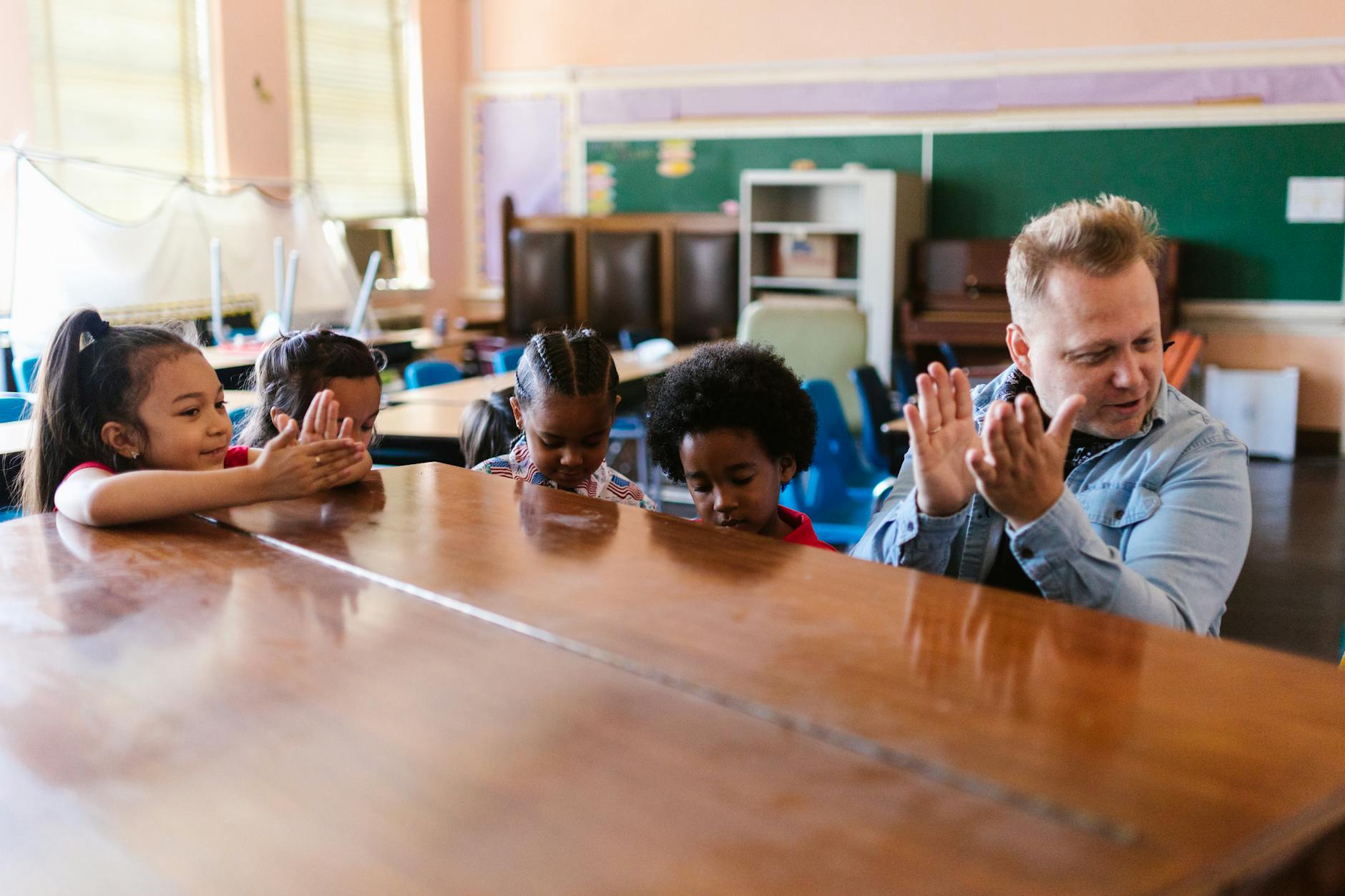
Photo by RDNE Stock project on Pexels.com In closing, music plays a vital role in the development and well-being of children with SEND/PMLD, offering valuable opportunities for engagement, interaction, expression, and speech and language development. Through inclusive and engaging programs like the one described here, children are empowered to explore their musical abilities, connect with others, and thrive in supportive environments.
From vocal exploration and sound play to outdoor adventures and sensory exploration, each activity in the program provides a platform for children to engage with music in meaningful ways. By encouraging vocalizations, gestures, and interactions with caregivers, the program fosters communication skills and social connections, empowering children to express themselves and engage with the world around them.
As educators, caregivers, and advocates, it is essential that we recognize the transformative power of music in enriching the lives of children with SEND/PMLD. By embracing inclusive practices and providing access to supportive environments, we can create pathways for children to develop speech and language, build social skills, and experience the joy of musical expression.
I encourage you to explore the resources and ideas shared in this post, and to consider how you can incorporate music education into your own practice or support initiatives in your community. Together, let’s continue to champion the importance of music in promoting inclusivity, fostering creativity, and enhancing the lives of children with SEND/PMLD.
Thank you for joining me on this journey of discovery and celebration of music’s profound impact on children’s lives. Let’s continue to raise our voices and instruments in harmony, creating a world where every child has the opportunity to thrive through the power of music.
-
Unveiling Early Years Schemas: A Comprehensive Exploration of Trajectory and Positioning
Introduction

Photo by cottonbro studio on Pexels.com In the enchanting world of early childhood, every moment is an opportunity for growth. Within this realm, children reveal distinct and recurring patterns of behaviour, commonly called “schemas.” Though often subtle, these patterns wield a profound influence over a child’s cognitive and physical development. In this blog post, we embark on a journey to understand two of the most intriguing early years schemas: Trajectory and Positioning. These schemas offer a captivating insight into how young minds unravel the world’s mysteries. We will delve deeply into the significance of these schemas, unveiling their impact on childhood development.

Photo by cottonbro studio on Pexels.com Before we immerse ourselves in the world of Trajectory and Positioning, let’s take a moment to acknowledge the existence of other common schemas, each equally fascinating in its own right:
1. Transporting Schema: This schema unveils a child’s enchantment with the movement of objects from one place to another.
2. Rotation Schema: Children revel in the delight of spinning and rotating objects, fostering their understanding of balance and movement.
3. Connecting Schema: The joy of linking or joining objects together, often through activities like building with blocks or connecting small pieces, is a hallmark of this schema.
4. Enclosing Schema: Children exhibit a natural curiosity about creating enclosed spaces or boundaries.
5. Enveloping Schema: The tendency to wrap objects with materials or hide items within confined spaces is a manifestation of this schema.
Now, it’s time to focus our lens on the intriguing realms of Trajectory and Positioning, gaining a deeper understanding of their roles in early childhood development.
Exploring Early Years Schemas: The Fascination of Trajectory Schema

Photo by Goda Morgan on Pexels.com Understanding a child’s schema and tailoring activities to accommodate their preferences and developmental trajectory is essential for effective learning and engagement. One common schema that often captivates young minds is the Trajectory Schema. Children with a trajectory schema are keenly interested in movement, direction, and the paths that objects take. If you’ve observed this schema in your child, you’ll discover that it provides a fascinating window into their cognitive development.
Here are some activity ideas that align with a trajectory schema:
1. Obstacle Course: Create a safe and engaging obstacle course with tunnels, ramps, and bridges. Encourage the child to navigate through the course, promoting their interest in movement and direction.
2. Toy Car Tracks: Provide a variety of toy cars and create tracks using cardboard, tubes, and ramps. Let the child experiment with different trajectories and observe how the cars move.
3. Sand or Sensory Tray: Fill a tray with sand, rice, or beans and provide small cars or vehicles. The child can push the vehicles through the material, creating paths and exploring different trajectory movements.
4. Chalk Paths: Draw different paths and lines with coloured chalk on a pavement or large paper. Allow the child to walk or crawl along the paths, reinforcing their interest in following trajectories.
5. Rolling Balls: Use balls of various sizes and textures, and encourage the child to roll them down ramps, slopes, or tubes. They can experiment with different trajectories and observe how the balls move.
6. Bubble Play: Blow bubbles and encourage the child to follow and pop them, focusing on the trajectory of the bubbles as they float through the air.
7. Balloon Volleyball: Play a gentle game of volleyball using a balloon, promoting tracking and predicting the balloon’s trajectory as it is passed back and forth.
8. Painting with Wheels: Dip toy cars or small vehicles in paint and roll them on a large sheet of paper, allowing the child to explore the patterns and paths created by the wheels.
9. Outdoor Play with Chalk: Provide sidewalk chalk and encourage the child to draw different types of paths, curves, and lines on the ground, incorporating their fascination with trajectories.
10. Flying Objects: Engage the child in activities that involve throwing and catching soft objects like beanbags, promoting an understanding of different trajectories.

Photo by Chevanon Photography on Pexels.com For children with a trajectory schema who are particularly interested in hard items, that you wish to steer toward safer alternatives, consider these refined ideas:
1. Soft Ball Pathways: Create pathways using soft pillows, cushions, or mats, and encourage the child to roll soft balls along these pathways, observing and experimenting with different trajectories.
2. Soft Toy Toss: Use soft plush toys or beanbags for tossing activities. The child can throw them gently and explore how the toys follow a specific trajectory.
3. Soft Tunnel Crawling: Set up soft tunnels or use cushions to create tunnel-like structures. Encourage the child to crawl through them, experiencing movement and direction within a soft environment.
4. Soft Block Stacking: Provide soft building blocks or plush stacking toys. The child can stack and arrange them, exploring the trajectory of building upwards and the balance involved.
5. Soft Pillow Hurdles: Arrange soft pillows or cushions in a hurdle-like formation. Encourage the child to jump or crawl over them, exploring movement and trajectory over soft obstacles.
6. Soft Fabric Throwing: Use soft fabric scraps or scarves for gentle throwing and catching games. The child can toss the soft fabrics and observe their trajectory as they float through the air.
7. Soft Balloon Volleyball: Play a gentle game of volleyball using a soft balloon, encouraging the child to track and predict the balloon’s trajectory as it is passed back and forth.
8. Soft Obstacle Course: Set up an obstacle course using soft play mats, pillows, and blankets. The child can navigate through the course, exploring movement and direction in a soft environment.
9. Soft Swing Play: Allow the child to swing on a soft fabric swing or hammock. They can experiment with gentle swinging motions, experiencing different trajectories in a safe and comfortable setting.
10. Soft Dice Rolling: Use soft foam or fabric-covered dice. Encourage the child to roll the soft dice, observing its trajectory and practising counting or identifying numbers.
Always prioritize safety and supervision during these activities. Adapt the activities based on the child’s abilities and preferences, ensuring a comfortable and enjoyable play experience with soft items.
Understanding Positioning Schema: Nurturing a Child’s Sense of Order and Patterns
Photo by Gustavo Fring on Pexels.com Positioning schema is a fascinating aspect of a child’s cognitive development. It revolves around the inclination to arrange and organize objects systematically, often reflecting a deep-seated desire for order and patterns. Understanding and supporting a child’s positioning schema can be both enriching and educational. Here, we explore a range of activities that align with this schema, allowing children to dive into their love for sequencing and positioning.
Here are 20 engaging activity ideas that cater to a positioning schema:
1. Mandalas: Use loose parts like gems or coloured stones to create symmetrical patterns.
2. Number Stones: Painted pebbles can be arranged in lines or patterns.
3. Small Loose Parts in Trays: Provide a tinker tray with various loose parts for creative play.
4. Natural Geo Boards: Use log slices with inserted screws to encourage pattern and colour sequences.
5. Counting and Sorting Natural Objects: Wooden trays with compartments are great for sorting activities.
6. Screws and Nails: Hammering activities with golf tees, pins, or screwdrivers can help develop fine motor skills.
7. Natural Number Lines: Use planks with lines to arrange natural objects in sequences.
8. Creating Plaques with Clay or Mud: Make circular plaques with clay or mud for arranging objects.
9. Large Ropes on the Floor: Bend ropes into shapes and patterns or use them for balancing and trails.
10. Mirror Books with Natural Objects: Use safety mirrors to create beautiful patterns and explore symmetry.
11. Scavenger Hunts: Collect similar objects and arrange them in lines on sticky back plastic.
12. Threading Leaves onto Skewers: Pierce leaves onto skewers to create leaf jewellery.
13. Looking at Reflections in Water: Explore reflections in puddles, water trays, ponds, or the sea.
14. Threading Jewellery Such as with Pasta: Thread beads or painted pasta onto string or wool.
15. Ten Frames: Arrange loose parts on ten frames to explore numbers, patterns, counting, and more.
16. Egg Boxes: Provide egg boxes for children to fill with sequences and patterns.
17. Toy Stairs: Children enjoy arranging items on toy stairs in doll’s houses.
18. Parking Lots: Create a parking lot with rectangles drawn on a large surface to stimulate positioning play.
19. Construction in General: Positioning schemas often appear when children play with construction toys.
20. Train Tracks: Building train tracks and aligning objects next to them encourages orientation schemas.
These activities provide children with the opportunity to explore and embrace their positioning schema while fostering their love for order, patterns, and systematic organization. Always ensure that activities are age-appropriate, safe, and supervised to cater to the child’s specific needs and abilities. Encouraging this schema can be a fun and rewarding journey for both children and caregivers.
Conclusion: Nurturing Early Years Schemas for Lifelong Learning
Photo by Anna Shvets on Pexels.com In the intricate tapestry of a child’s development, schemas serve as the threads that weave together their understanding of the world. Trajectory and Positioning schemas offer us a unique glimpse into the cognitive landscapes of young minds. By embracing and supporting these schemas, parents, caregivers, and educators lay a sturdy foundation for lifelong learning.
Understanding a child’s inclination for movement and direction through the Trajectory Schema and their love for order and patterns through the Positioning Schema allows us to tailor activities that resonate with their individual cognitive development. These activities aren’t just play; they are the building blocks of understanding, curiosity, and creative thinking.
As caregivers and mentors, we embark on a delightful journey of discovery with children, nurturing their schemas and empowering their minds to flourish. The magic lies in watching them turn these early years’ patterns into a lifetime of curiosity, learning, and exploration. With each trajectory followed and every object positioned, we pave the way for a brighter and more inquisitive tomorrow.
-
Unlocking Potential: Empowering Primary Teachers to Support SEND Children’s Maths Development with NCETM Progression Maps
Photo by Keira Burton on Pexels.com Introduction
I was introduced to the National Centre for Excellence in the Teaching of Mathematics (NCETM) a couple of years ago during an online training event. In this particular session, the focus was on pattern. Specifically, what was being discussed was how overlooked the importance of pattern is in teaching mathematics in general. Part of the example materials presented was the NCETM progression map for pattern. The training in pattern was useful, but my biggest takeaway was that these progression maps existed for all maths concepts. What a find!
The National Centre for Excellence in the Teaching of Mathematics (NCETM) progression maps are tools designed to help teachers understand the sequence of mathematical concepts and skills that students should learn at different stages of their education. These maps provide a clear framework for planning and delivering effective mathematical instruction.

The NCETM progression maps can be particularly helpful when teaching children with Special Educational Needs and Disabilities (SEND) in primary schools. These maps offer a structured and sequential framework that allows educators to tailor their teaching approach to the individual needs of SEND students. I absolutely love these maps and their potential for supporting SEND children’s maths development. And once I show them to schools, they see the potential too!
Here’s how they can be beneficial:
1. Differentiation
Photo by Arthur Krijgsman on Pexels.com The progression maps outline the gradual development of mathematical concepts, making it easier for teachers to differentiate instruction according to each student’s abilities. This ensures that students with SEND receive appropriate support and challenges based on their specific learning requirements.
2. Individualised Learning

Photo by Andrea Piacquadio on Pexels.com By using the progression maps, teachers can identify where a student’s strengths and challenges lie within the mathematical curriculum. This information helps them create personalised learning plans that address the unique needs of each SEND student.
3. Targeted Support

Photo by Andrea Piacquadio on Pexels.com The maps provide a clear roadmap of the skills and concepts that should be mastered at different stages. This enables teachers to identify areas where SEND students might need additional support and interventions, allowing them to provide targeted assistance where it’s most needed.
4. Monitoring Progress

Photo by Katerina Holmes on Pexels.com Teachers can track the progress of their SEND students more effectively by referencing the progression maps. This allows for continuous assessment and adjustment of instruction to ensure that students are making meaningful progress in their mathematical learning.
5. Resource Planning

Photo by Yan Krukau on Pexels.com The progression maps offer a structured guide for selecting appropriate teaching resources and materials that are suited to the learning needs of SEND students. This can help teachers choose tools that accommodate different learning styles and abilities.
6. Collaboration

Photo by Thirdman on Pexels.com Teachers, specialists, and support staff can collaborate more effectively when using the same progression maps. This ensures a consistent approach to teaching and supporting SEND students across different settings and learning environments.
Conclusion
Overall, the NCETM progression maps serve as a valuable tool that empowers primary teachers to provide targeted and inclusive support to students with SEND, fostering their growth and development in mathematics. They have been a godsend for me. What a fantastic tool that is already out there, ready-made and free! Find them here: https://www.ncetm.org.uk/classroom-resources/progression-maps-for-key-stages-1-and-2/
-
Subscribe
Subscribed
Already have a WordPress.com account? Log in now.
 That SEND Teacher