

Supporting children with SEND often means looking beyond the obvious and creating opportunities for them to thrive. Recently, I had the privilege of working with “Billy,” a wonderful Year 3 pupil who reminded me just how much small adjustments can lead to big changes.
Starting with Billy’s Voice
When I first met Billy, I knew he faced significant challenges: sensory sensitivities, SEMH needs, and struggles with noise and transitions. But what struck me most was how much he lit up when asked about his preferences.
To open up the conversation, I played a quick game of “Would You Rather.” His answers were revealing:
- Would you rather talk to animals or speak every language in the world?
He said, “Languages, so I can talk to everyone.” - Would you rather live in a treehouse or a submarine?
He chose the treehouse—he loves climbing.
Through his choices and reasoning, Billy shared what made him tick: creativity, connection, and control over his environment.
This activity not only broke the ice but also helped me shape a plan that felt personalised and meaningful.
The Classroom Nook
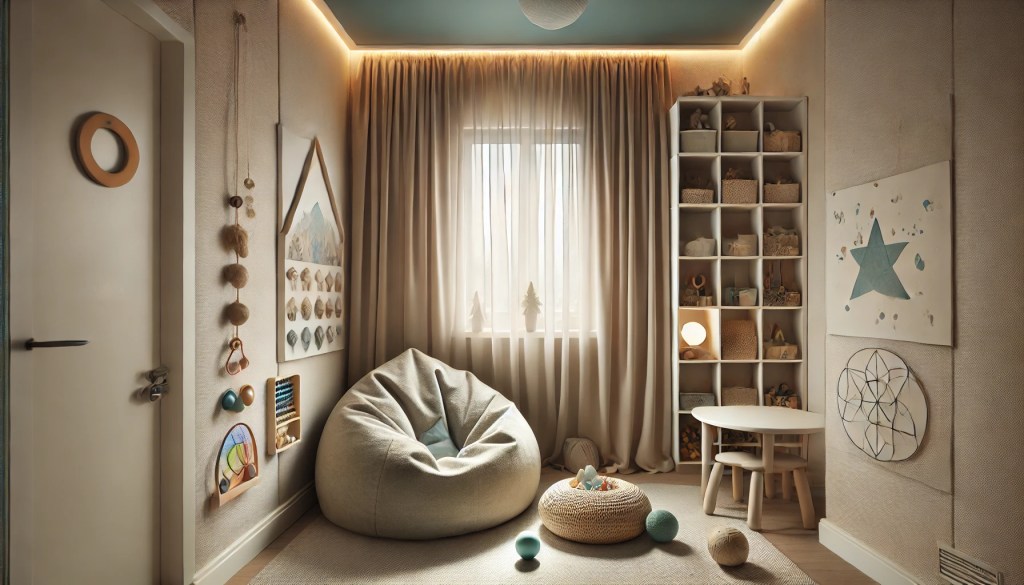
The most exciting moment came during a walk through the classroom. Tucked away in the corner, there was a little nook—a space that seemed to have “Billy” written all over it. His TA, Sophie, and I encouraged him to imagine how it could become his own special area.
“Maybe I could put a curtain here,” he said, eyes lighting up. “And I could keep my things on this shelf!”
Billy was already planning how to make the space his. And that was when I realised: this nook wasn’t just a quiet area—it was an opportunity for Billy to feel included while honouring his need for calm.
Adapting the Plan
As the idea of the nook took shape, so did our plans for how to make it an integral part of Billy’s school day. The aim is for the nook to serve not just as a quiet retreat but as a consistent space where Billy can work, regulate, and feel a sense of ownership.
Here’s what we’re planning to do:
- Teach proactive use: Build time into Billy’s schedule to use his nook throughout the day. This will help him naturally integrate the space into his routine, rather than relying on it only in moments of crisis.
- Goal-setting for positive use: Work with Billy to set simple goals like “How can your nook help you focus today?” or “Let’s see how many tasks we can finish while working here.”
- Encourage ownership as motivation: Support Billy in designing and decorating his nook to reflect his interests. This personal touch will make the space feel uniquely his and foster excitement about being in the classroom.
Building Relationships

Another focus is strengthening Billy’s connection with his class teacher, Mr. Harris. While Billy has a strong relationship with Sophie, his TA, this reliance could pose challenges if she’s ever absent.
To address this, we’ve planned to:
- Introduce morning check-ins with Mr. Harris, where he can set achievable tasks for Billy and celebrate progress together.
- Create opportunities for shared snack times or structured activities to build rapport.
- Rotate roles between Sophie and Mr. Harris, ensuring Billy works with both adults regularly.
Key Takeaways for Educators
Working with Billy reinforced some key principles I try to carry into all my work with SEND pupils:
- Start with their voice: Whether it’s a game, a conversation, or observation, listen to what they need—this will shape everything.
- Think proactive, not reactive: Adjustments like Billy’s nook work best when they’re woven into the day, not just used in moments of crisis.
- Relationships matter: Building trust with all adults involved creates a stable foundation for success.
- Celebrate small wins: Billy’s excitement about his nook reminded me that motivation often lies in the details.
Final Thoughts
As we step into the new year, I’m looking forward to seeing how Billy transforms his nook into a space that helps him thrive. But more importantly, I’m excited about what this journey has already taught me: that the right environment, tailored to a child’s needs, can turn a challenge into a triumph.
What’s been your most rewarding experience supporting a child with SEND? I’d love to hear your thoughts in the comments below!
 That SEND Teacher