Introduction:
As a peripatetic SEND teacher specializing in mainstream Early Years and Primary settings, I’m deeply committed to providing tailored support for children with Special Educational Needs and Disabilities (SEND). With a dedicated caseload, many of whom are children with Profound and Multiple Learning Difficulties (PMLD) and speech and language difficulties, I constantly seek innovative ways to engage and empower my students.
Recognizing the transformative power of music in educational settings, I was drawn to the remarkable resources offered by the Little Amber Trust. Founded on the principle that music is a vital tool for the development and well-being of visually impaired children, Little Amber Trust’s mission resonates deeply with my own beliefs about the importance of inclusive and enriching learning experiences for all children.
The Little Amber scheme, specifically designed to support families in engaging in musical activities with their blind or partially sighted children in the early years, aligns perfectly with my goals as an educator. Music not only fosters bonding between children and their caregivers but also plays a crucial role in language development, sensory exploration, and overall enjoyment.
In this blog post, I’m excited to share how I’ve integrated Little Amber Trust’s resources into a 12-week music program tailored to the unique needs of my caseload, particularly focusing on promoting speech and language, attention, interaction, and overall engagement among my students. Through this journey, I hope to inspire fellow educators and caregivers to explore the transformative potential of music in supporting children with SEND.
About Little Amber Trust:

The Little Amber Trust is a remarkable initiative dedicated to supporting families in engaging with music activities for visually impaired children in the early years. Rooted in the belief that music plays a vital role in the development and well-being of children, especially those with special educational needs and profound and multiple learning disabilities (SEND/PMLD), Little Amber Trust offers a wealth of resources designed to stimulate cognitive, sensory, and motor skills in a supportive and inclusive environment.
Rationale for Engaging with the Little Amber Music Scheme:
When designing my 12-week music program for children with SEND, particularly those with PMLD, I found profound resonance with the principles underlying the Little Amber Music Scheme. Here’s a breakdown of why I chose to incorporate their resources:
1. Developmental Growth:
The Little Amber Music Scheme is meticulously crafted to support the developmental growth of children with SEND/PMLD. By offering tailored activities that target various stages of musical development, the program stimulates cognitive, sensory, and motor skills within an inclusive setting.
2. Multi-Sensory Experience:
Music is a powerful medium that engages multiple senses simultaneously. The Little Amber Music Scheme harnesses this power by providing a wide range of sensory experiences, including auditory, visual, tactile, and proprioceptive stimuli. This multi-sensory approach creates a rich and immersive learning environment that resonates deeply with children of diverse abilities.
3. Communication and Expression:
Communication can often be challenging for children with SEND/PMLD. The Little Amber Music Scheme provides valuable opportunities for children to express themselves and communicate with others through music. Whether vocalizing, using gestures, or participating in musical dialogues, children are encouraged to engage in meaningful interactions that foster social connection and emotional expression.
4. Engagement and Motivation:
Music has a unique ability to capture attention and motivate participation. Through a variety of engaging activities tailored to individual interests and preferences, the Little Amber Music Scheme encourages active participation and promotes a positive attitude towards learning among children with SEND/PMLD.
5. Inclusive Practice:
Inclusion lies at the heart of the Little Amber Music Scheme. Recognizing the diverse needs and abilities of children with SEND/PMLD, the program strives to create a supportive and inclusive learning environment where every child can succeed. By offering adaptable activities that cater to different levels of ability, the program promotes equality of access and celebrates the unique strengths of each child.
6. Holistic Development:
Music has been shown to have a profound impact on holistic development, encompassing cognitive, physical, emotional, and social domains. The Little Amber Music Scheme takes a holistic approach to learning, recognizing the interconnectedness of these domains and the importance of addressing the needs of the whole child. Through meaningful musical experiences, the program aims to support children’s overall development and enhance their quality of life.
In summary, the Little Amber Music Scheme offers a holistic and inclusive approach to music education for children with SEND/PMLD. By providing multi-sensory experiences, promoting communication and expression, and fostering engagement and motivation, the program enriches the lives of children and supports their ongoing development in meaningful and impactful ways.
Creating the 12-Week Program:
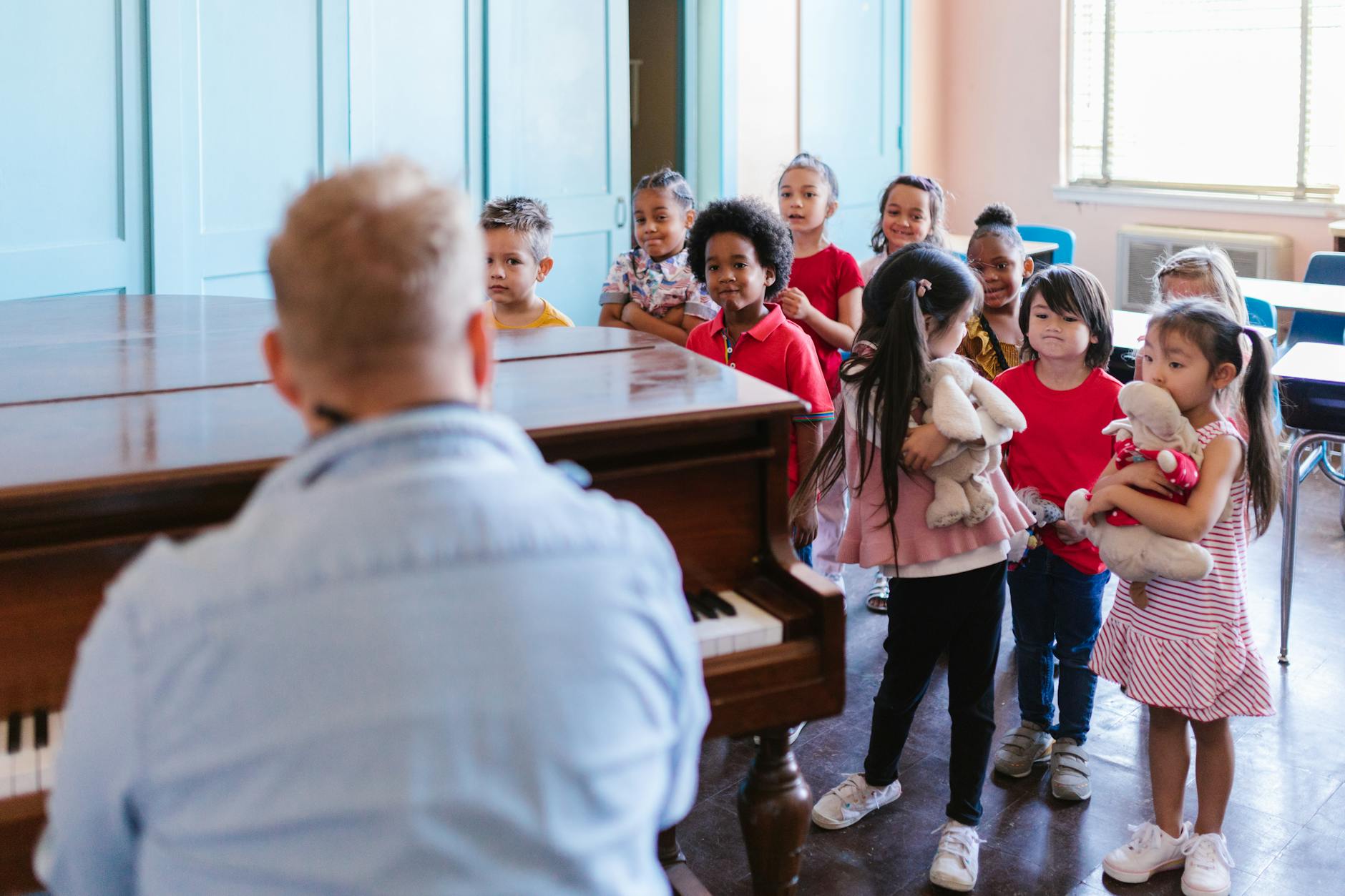
Drawing from the wealth of resources provided by the Little Amber Trust, I structured the 12-week music program into two distinct levels, each comprising six engaging sessions. Below is an overview of the sessions and their key components, while my program can be found here :
Level 2 – ‘Sounds Interesting’ (Sessions 1-6):
1. Session 1: Vocal Exploration
– Introduction to vocal exploration activities
– Reactive, proactive, and interactive activities focused on encouraging vocalizations and responses
– Conclusion with a review and reflection on the session’s activities
2. Session 2: Sound Play with Everyday Objects
– Introduction to sound play using everyday objects
– Activities incorporating reactive, proactive, and interactive elements to explore sound through tactile experiences
– Conclusion with a review and discussion of favourite sounds and objects
3. Session 3: Outdoor Sound Adventure
– Introduction to outdoor sound exploration
– Reactive, proactive, and interactive activities conducted outdoors to engage with natural sounds
– Conclusion with a review and sharing of outdoor experiences
4. Session 4: Sensory Sound Exploration
– Introduction to sensory sound exploration using different materials and instruments
– Activities focused on tactile and auditory sensory experiences
– Conclusion with a review and discussion of musical sounds explored during the session
5. Session 5: Vocal Play and Interaction
– Introduction to vocal play and interaction activities
– Activities incorporating vocal storytelling, movement, and use of props
– Conclusion with a review and sharing of vocal interactions and storytelling experiences
6. Session 6: Exploring Natural Sounds
– Introduction to exploring natural sounds in the outdoor environment
– Activities focused on outdoor sensory experiences and sound exploration
– Conclusion with a review and discussion of outdoor sounds and experiences
Level 3 – ‘Copy Me, Copy You’ (Sessions 7-12):
7. Session 7: Exploring Vocal Patterns
– Introduction to vocal patterns and imitation activities
– Activities focused on modeling, creating, and exchanging vocal patterns
– Conclusion with a review and discussion of vocal patterns explored during the session
8. Session 8: Movement and Rhythm
– Introduction to movement and rhythm activities
– Activities incorporating rhythmic movements, use of props, and partner/group interactions
– Conclusion with a review and sharing of favourite movements and rhythmic experiences
9. Session 9: Exploring Sound Makers
– Introduction to different sound makers and instruments
– Activities focused on exploration, creation, and collaboration using sound makers
– Conclusion with a review and discussion of sound makers and favourite sounds
10. Session 10: Sound Symbols and Associations
– Introduction to sound symbols and their associations
– Activities incorporating identification, creation, and communication using sound symbols
– Conclusion with a review and sharing of associations and experiences with sound symbols
11. Session 11: Vocal Turn-Taking
– Introduction to turn-taking activities and vocal interactions
– Activities focused on structured turn-taking, peer interactions, and communication
– Conclusion with a review and discussion of turn-taking experiences and vocal interactions
12. Session 12: Sound Exploration with Others
– Introduction to collaborative sound exploration activities
– Activities involving group sound making, sharing instruments, and creating collaborative rhythms
– Conclusion with a review and discussion of collaborative sound exploration experiences
Each session within Level 3 builds upon the skills and concepts introduced in the earlier sessions, providing opportunities for further exploration, interaction, and development. By engaging in a variety of activities that promote imitation, collaboration, and communication, children are encouraged to expand their musical abilities and enhance their social connections.
Impact and Outcomes:
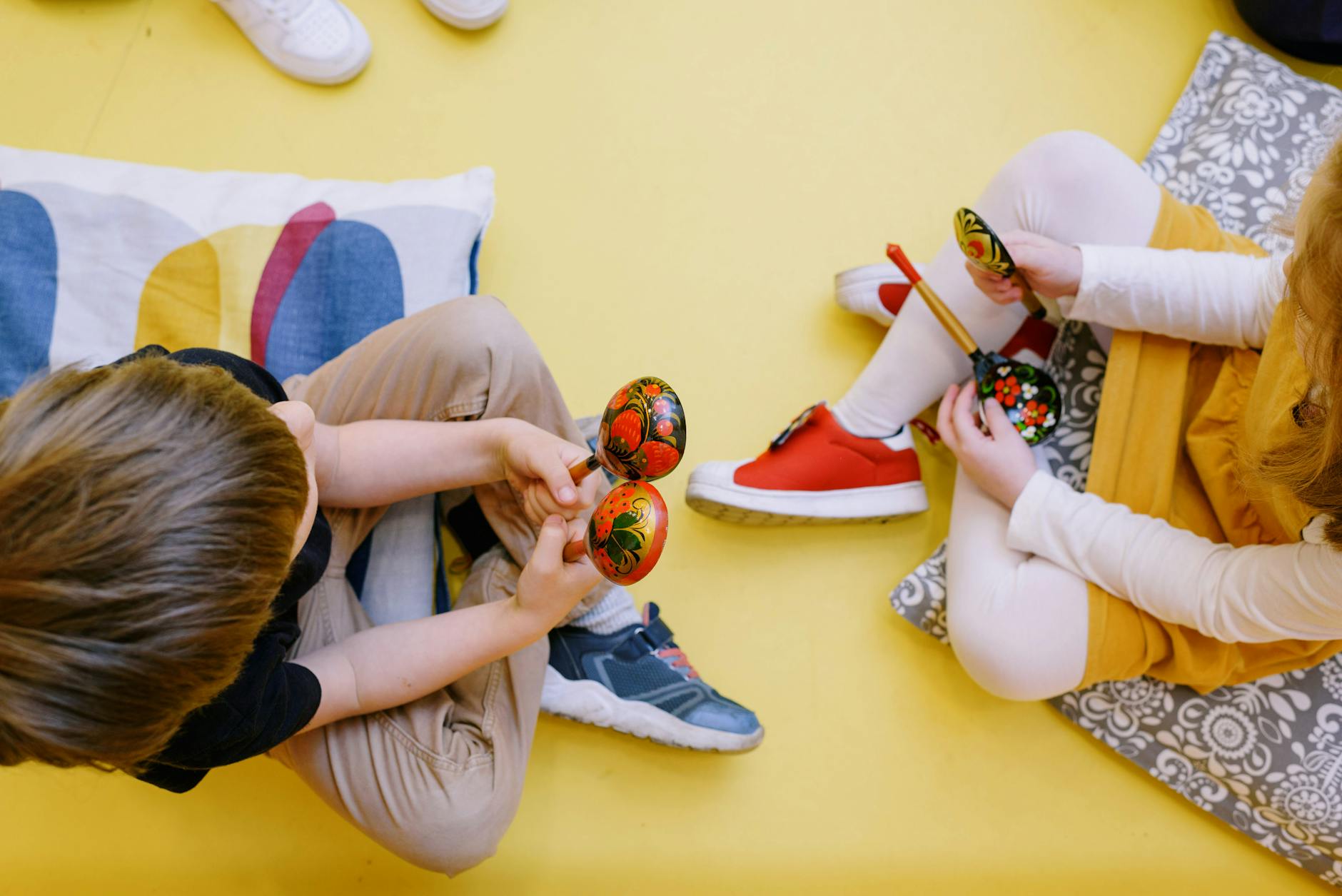
The 12-week music program based on Little Amber Trust’s resources has yielded positive results, impacting the development and well-being of the children in my caseload. Here are some key insights into the program’s impact:
1. Developmental Progress:
Throughout the program, I observed significant growth in the children’s cognitive, sensory, and communication skills. From increased vocalizations and engagement during sessions to improved motor coordination and social interaction, the program has provided valuable opportunities for holistic development.
2. Enhanced Engagement:
One of the most notable outcomes of the program has been the enhanced engagement and motivation displayed by the children. Through interactive and multi-sensory activities, the program captivated the children’s attention and sparked their curiosity, resulting in active participation and enthusiasm during sessions.
3. Improved Communication:
For children with speech and language difficulties, the program served as a platform for expression and communication. Through vocalizations, gestures, and interactions with caregivers, children were able to communicate their preferences, emotions, and experiences, fostering meaningful connections and relationships.
4. Positive Feedback:
Feedback from caregivers and school staff has been overwhelmingly positive, with many noting the noticeable improvements in the children’s confidence, social skills, and overall well-being. Caregivers have expressed gratitude for the inclusive and enriching experiences provided by the program, emphasizing its value in supporting their child’s development.
5. Continued Growth:
As the program continues, it is evident that the impact extends beyond the sessions. Children demonstrated continued progress in their musical abilities, communication skills, and self-expression, highlighting the enduring benefits of engaging with music in an inclusive and supportive environment.
In summary, the 12-week music program has been instrumental in fostering the growth and development of the children in my caseload. Through tailored activities, meaningful interactions, and a supportive atmosphere, the program has empowered children to explore, communicate, and thrive, laying the foundation for future success and well-being.
Call to Action and Further Resources:
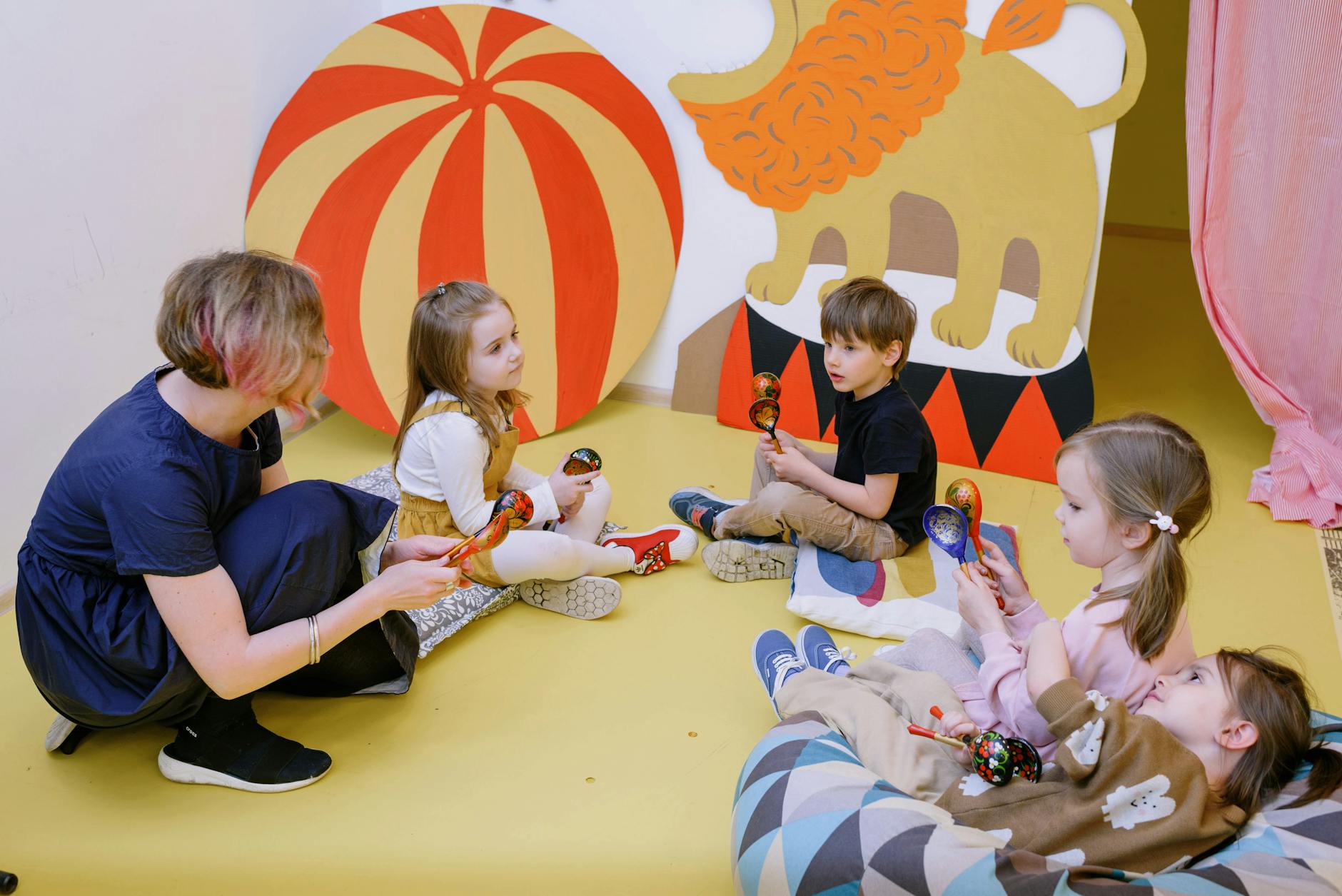
If you’re inspired to explore music education for children with SEND/PMLD further, here are some resources to help you get started:
1. Little Amber Trust: Visit the [Little Amber Trust] (https://littleamber.ambertrust.org/) website to access a wealth of free resources and activities designed to support children with visual impairments through music.
2. National Association for Music Education (NAfME): Explore the [NAfME](https://nafme.org/) website for articles, webinars, and resources on inclusive music education practices and strategies for children with special needs.
3. Inclusive Music Education Practices: Delve into the principles and practices of inclusive music education with resources from organizations such as [Musical Futures] (https://www.musicalfutures.org/) and [Inclusive Music UK] (http://inclusivemusic.org.uk/), which offer training, workshops, and guidance for educators.
4. Get Involved: Consider volunteering or collaborating with local organizations, schools, or community groups that provide music education and support for children with SEND/PMLD. Your expertise and passion can make a meaningful difference in the lives of these children and their families.
By exploring these resources and getting involved in inclusive music education initiatives, you can contribute to creating enriching and inclusive learning experiences for children with SEND/PMLD, fostering their creativity, expression, and overall well-being through the power of music.
Conclusion:
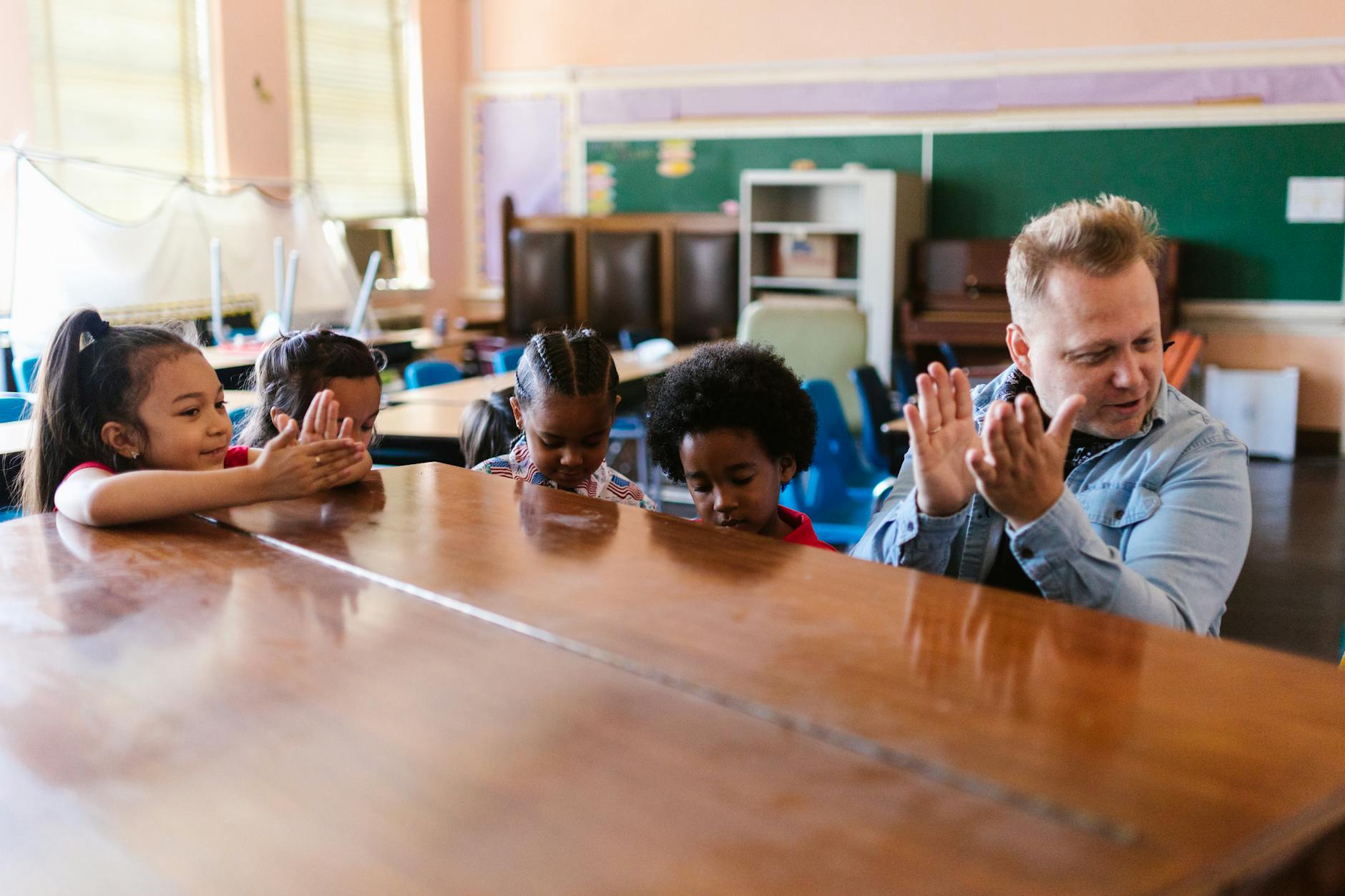
In closing, music plays a vital role in the development and well-being of children with SEND/PMLD, offering valuable opportunities for engagement, interaction, expression, and speech and language development. Through inclusive and engaging programs like the one described here, children are empowered to explore their musical abilities, connect with others, and thrive in supportive environments.
From vocal exploration and sound play to outdoor adventures and sensory exploration, each activity in the program provides a platform for children to engage with music in meaningful ways. By encouraging vocalizations, gestures, and interactions with caregivers, the program fosters communication skills and social connections, empowering children to express themselves and engage with the world around them.
As educators, caregivers, and advocates, it is essential that we recognize the transformative power of music in enriching the lives of children with SEND/PMLD. By embracing inclusive practices and providing access to supportive environments, we can create pathways for children to develop speech and language, build social skills, and experience the joy of musical expression.
I encourage you to explore the resources and ideas shared in this post, and to consider how you can incorporate music education into your own practice or support initiatives in your community. Together, let’s continue to champion the importance of music in promoting inclusivity, fostering creativity, and enhancing the lives of children with SEND/PMLD.
Thank you for joining me on this journey of discovery and celebration of music’s profound impact on children’s lives. Let’s continue to raise our voices and instruments in harmony, creating a world where every child has the opportunity to thrive through the power of music.
 That SEND Teacher