
Introduction

In the enchanting world of early childhood, every moment is an opportunity for growth. Within this realm, children reveal distinct and recurring patterns of behaviour, commonly called “schemas.” Though often subtle, these patterns wield a profound influence over a child’s cognitive and physical development. In this blog post, we embark on a journey to understand two of the most intriguing early years schemas: Trajectory and Positioning. These schemas offer a captivating insight into how young minds unravel the world’s mysteries. We will delve deeply into the significance of these schemas, unveiling their impact on childhood development.

Before we immerse ourselves in the world of Trajectory and Positioning, let’s take a moment to acknowledge the existence of other common schemas, each equally fascinating in its own right:
1. Transporting Schema: This schema unveils a child’s enchantment with the movement of objects from one place to another.
2. Rotation Schema: Children revel in the delight of spinning and rotating objects, fostering their understanding of balance and movement.
3. Connecting Schema: The joy of linking or joining objects together, often through activities like building with blocks or connecting small pieces, is a hallmark of this schema.
4. Enclosing Schema: Children exhibit a natural curiosity about creating enclosed spaces or boundaries.
5. Enveloping Schema: The tendency to wrap objects with materials or hide items within confined spaces is a manifestation of this schema.
Now, it’s time to focus our lens on the intriguing realms of Trajectory and Positioning, gaining a deeper understanding of their roles in early childhood development.
Exploring Early Years Schemas: The Fascination of Trajectory Schema

Understanding a child’s schema and tailoring activities to accommodate their preferences and developmental trajectory is essential for effective learning and engagement. One common schema that often captivates young minds is the Trajectory Schema. Children with a trajectory schema are keenly interested in movement, direction, and the paths that objects take. If you’ve observed this schema in your child, you’ll discover that it provides a fascinating window into their cognitive development.
Here are some activity ideas that align with a trajectory schema:
1. Obstacle Course: Create a safe and engaging obstacle course with tunnels, ramps, and bridges. Encourage the child to navigate through the course, promoting their interest in movement and direction.
2. Toy Car Tracks: Provide a variety of toy cars and create tracks using cardboard, tubes, and ramps. Let the child experiment with different trajectories and observe how the cars move.
3. Sand or Sensory Tray: Fill a tray with sand, rice, or beans and provide small cars or vehicles. The child can push the vehicles through the material, creating paths and exploring different trajectory movements.
4. Chalk Paths: Draw different paths and lines with coloured chalk on a pavement or large paper. Allow the child to walk or crawl along the paths, reinforcing their interest in following trajectories.
5. Rolling Balls: Use balls of various sizes and textures, and encourage the child to roll them down ramps, slopes, or tubes. They can experiment with different trajectories and observe how the balls move.
6. Bubble Play: Blow bubbles and encourage the child to follow and pop them, focusing on the trajectory of the bubbles as they float through the air.
7. Balloon Volleyball: Play a gentle game of volleyball using a balloon, promoting tracking and predicting the balloon’s trajectory as it is passed back and forth.
8. Painting with Wheels: Dip toy cars or small vehicles in paint and roll them on a large sheet of paper, allowing the child to explore the patterns and paths created by the wheels.
9. Outdoor Play with Chalk: Provide sidewalk chalk and encourage the child to draw different types of paths, curves, and lines on the ground, incorporating their fascination with trajectories.
10. Flying Objects: Engage the child in activities that involve throwing and catching soft objects like beanbags, promoting an understanding of different trajectories.

For children with a trajectory schema who are particularly interested in hard items, that you wish to steer toward safer alternatives, consider these refined ideas:
1. Soft Ball Pathways: Create pathways using soft pillows, cushions, or mats, and encourage the child to roll soft balls along these pathways, observing and experimenting with different trajectories.
2. Soft Toy Toss: Use soft plush toys or beanbags for tossing activities. The child can throw them gently and explore how the toys follow a specific trajectory.
3. Soft Tunnel Crawling: Set up soft tunnels or use cushions to create tunnel-like structures. Encourage the child to crawl through them, experiencing movement and direction within a soft environment.
4. Soft Block Stacking: Provide soft building blocks or plush stacking toys. The child can stack and arrange them, exploring the trajectory of building upwards and the balance involved.
5. Soft Pillow Hurdles: Arrange soft pillows or cushions in a hurdle-like formation. Encourage the child to jump or crawl over them, exploring movement and trajectory over soft obstacles.
6. Soft Fabric Throwing: Use soft fabric scraps or scarves for gentle throwing and catching games. The child can toss the soft fabrics and observe their trajectory as they float through the air.
7. Soft Balloon Volleyball: Play a gentle game of volleyball using a soft balloon, encouraging the child to track and predict the balloon’s trajectory as it is passed back and forth.
8. Soft Obstacle Course: Set up an obstacle course using soft play mats, pillows, and blankets. The child can navigate through the course, exploring movement and direction in a soft environment.
9. Soft Swing Play: Allow the child to swing on a soft fabric swing or hammock. They can experiment with gentle swinging motions, experiencing different trajectories in a safe and comfortable setting.
10. Soft Dice Rolling: Use soft foam or fabric-covered dice. Encourage the child to roll the soft dice, observing its trajectory and practising counting or identifying numbers.
Always prioritize safety and supervision during these activities. Adapt the activities based on the child’s abilities and preferences, ensuring a comfortable and enjoyable play experience with soft items.
Understanding Positioning Schema: Nurturing a Child’s Sense of Order and Patterns
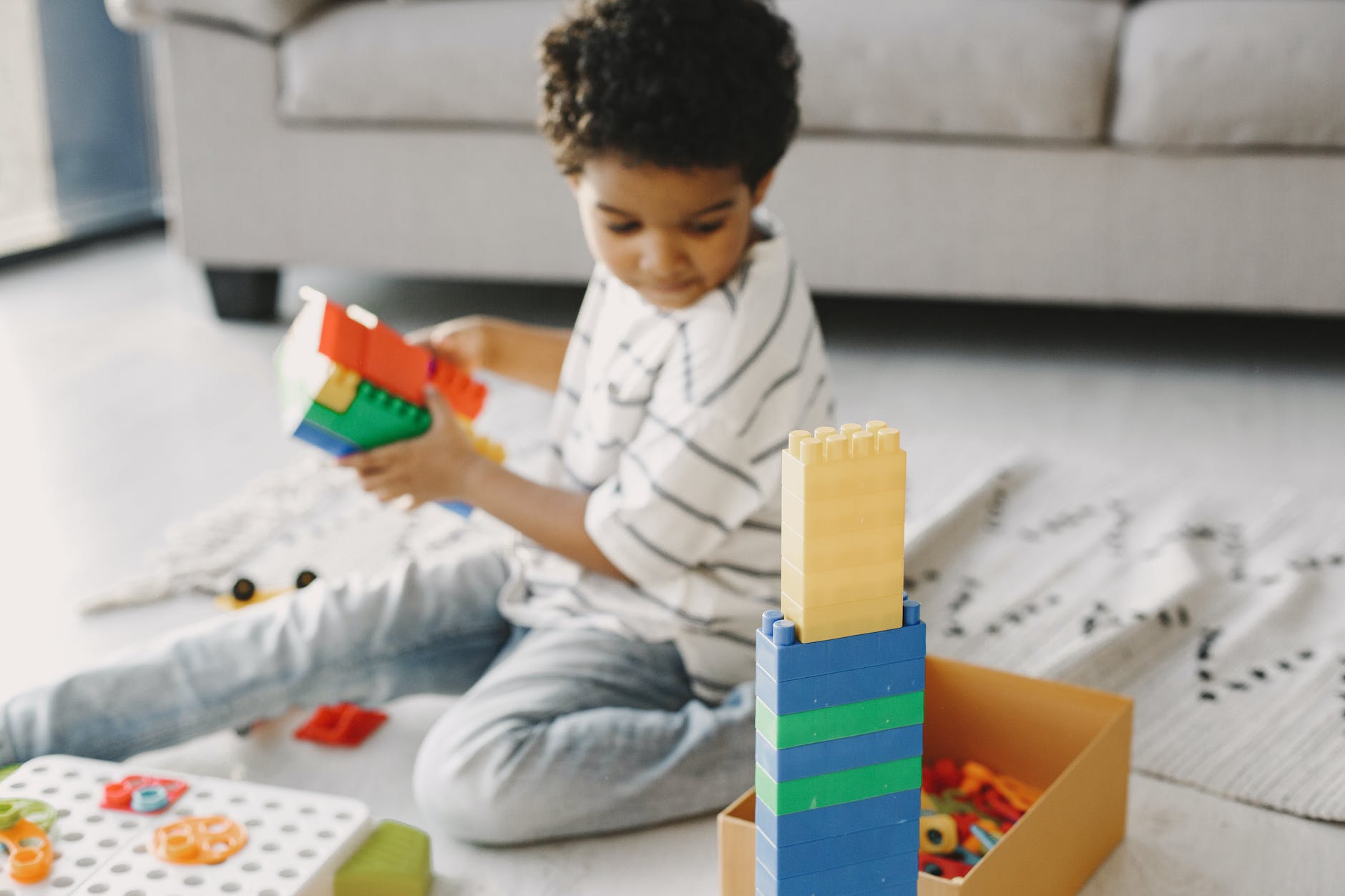
Positioning schema is a fascinating aspect of a child’s cognitive development. It revolves around the inclination to arrange and organize objects systematically, often reflecting a deep-seated desire for order and patterns. Understanding and supporting a child’s positioning schema can be both enriching and educational. Here, we explore a range of activities that align with this schema, allowing children to dive into their love for sequencing and positioning.
Here are 20 engaging activity ideas that cater to a positioning schema:
1. Mandalas: Use loose parts like gems or coloured stones to create symmetrical patterns.
2. Number Stones: Painted pebbles can be arranged in lines or patterns.
3. Small Loose Parts in Trays: Provide a tinker tray with various loose parts for creative play.
4. Natural Geo Boards: Use log slices with inserted screws to encourage pattern and colour sequences.
5. Counting and Sorting Natural Objects: Wooden trays with compartments are great for sorting activities.
6. Screws and Nails: Hammering activities with golf tees, pins, or screwdrivers can help develop fine motor skills.
7. Natural Number Lines: Use planks with lines to arrange natural objects in sequences.
8. Creating Plaques with Clay or Mud: Make circular plaques with clay or mud for arranging objects.
9. Large Ropes on the Floor: Bend ropes into shapes and patterns or use them for balancing and trails.
10. Mirror Books with Natural Objects: Use safety mirrors to create beautiful patterns and explore symmetry.
11. Scavenger Hunts: Collect similar objects and arrange them in lines on sticky back plastic.
12. Threading Leaves onto Skewers: Pierce leaves onto skewers to create leaf jewellery.
13. Looking at Reflections in Water: Explore reflections in puddles, water trays, ponds, or the sea.
14. Threading Jewellery Such as with Pasta: Thread beads or painted pasta onto string or wool.
15. Ten Frames: Arrange loose parts on ten frames to explore numbers, patterns, counting, and more.
16. Egg Boxes: Provide egg boxes for children to fill with sequences and patterns.
17. Toy Stairs: Children enjoy arranging items on toy stairs in doll’s houses.
18. Parking Lots: Create a parking lot with rectangles drawn on a large surface to stimulate positioning play.
19. Construction in General: Positioning schemas often appear when children play with construction toys.
20. Train Tracks: Building train tracks and aligning objects next to them encourages orientation schemas.
These activities provide children with the opportunity to explore and embrace their positioning schema while fostering their love for order, patterns, and systematic organization. Always ensure that activities are age-appropriate, safe, and supervised to cater to the child’s specific needs and abilities. Encouraging this schema can be a fun and rewarding journey for both children and caregivers.
Conclusion: Nurturing Early Years Schemas for Lifelong Learning
In the intricate tapestry of a child’s development, schemas serve as the threads that weave together their understanding of the world. Trajectory and Positioning schemas offer us a unique glimpse into the cognitive landscapes of young minds. By embracing and supporting these schemas, parents, caregivers, and educators lay a sturdy foundation for lifelong learning.
Understanding a child’s inclination for movement and direction through the Trajectory Schema and their love for order and patterns through the Positioning Schema allows us to tailor activities that resonate with their individual cognitive development. These activities aren’t just play; they are the building blocks of understanding, curiosity, and creative thinking.
As caregivers and mentors, we embark on a delightful journey of discovery with children, nurturing their schemas and empowering their minds to flourish. The magic lies in watching them turn these early years’ patterns into a lifetime of curiosity, learning, and exploration. With each trajectory followed and every object positioned, we pave the way for a brighter and more inquisitive tomorrow.
 That SEND Teacher