

Introduction
I was introduced to Copy Box (https://www.oxfordshire.gov.uk/sites/default/files/file/information-childcare-providers/Copybox.pdf) by a colleague about a year ago. As she described the approach, my interest was piqued. I’m a huge fan of Intensive Interaction, which Copy Box draws from. However, it can sometimes feel like there needs to be a next step, somewhere else to go. Intensive Interaction is child-led and can take as short or as long as it takes! It is relatively unstructured. My role involves me demonstrating approaches for schools, for them to run with. They, and I, like programs with structure and progression. I encourage Intensive Interaction and suggest that this runs continuously, but give Copy Box a try too!
The Copy Box approach involves a set of paired toys presented to a child in a container, catering to their developmental needs. The method entails offering the box, waiting for the child’s actions, and then mirroring their play with duplicate items. This technique nurtures eye contact, and social interaction, and allows children to lead their play while enabling adults to introduce language and extend play skills. The box might include items like cars, books, or dolls. Particularly beneficial for solitary players, the approach encourages joint play and responsiveness. To implement, assemble an engaging box, show it to the child, and play at their level, copying their actions without questions. As familiarity grows, the child may pause for interaction, marking the start of turn-taking. Further development involves introducing variations to the play for the child to emulate.
Here, I’ll highlight five ways in which it can help communication and interaction with Early Years SEND children.
1. Encourages Social Interaction:
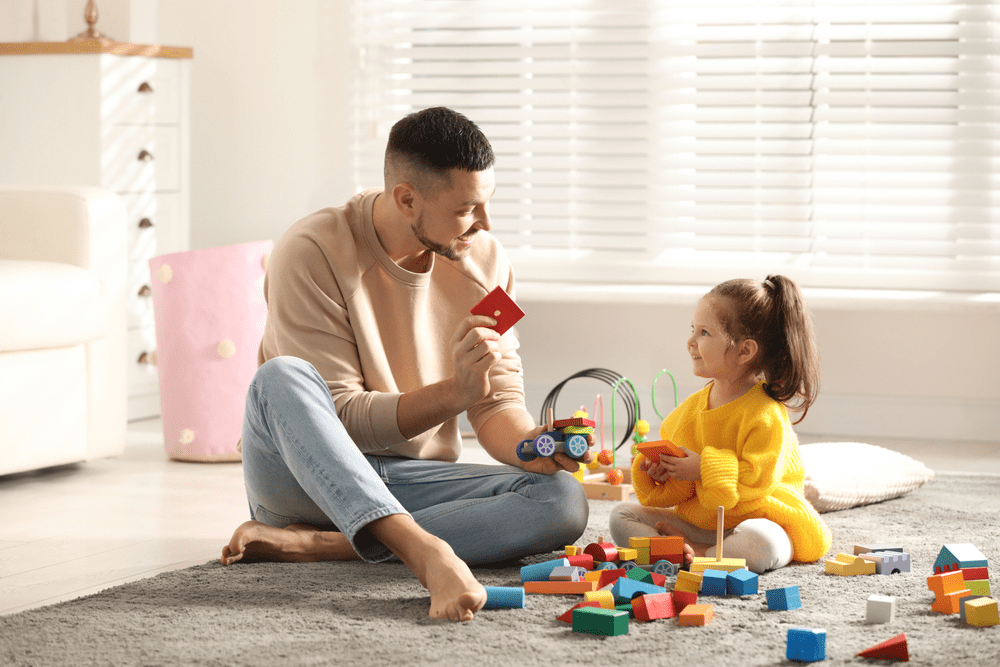
The Copy Box technique serves as a bridge for social engagement between an adult and an Early Years SEND child. By copying the child’s actions and engaging in parallel play, the adult provides a safe space for the child to explore, express themselves, and develop social skills. This approach encourages eye contact, the foundation of communication, and facilitates a connection between the child and the adult.
2. Empowers Child-Led Play:
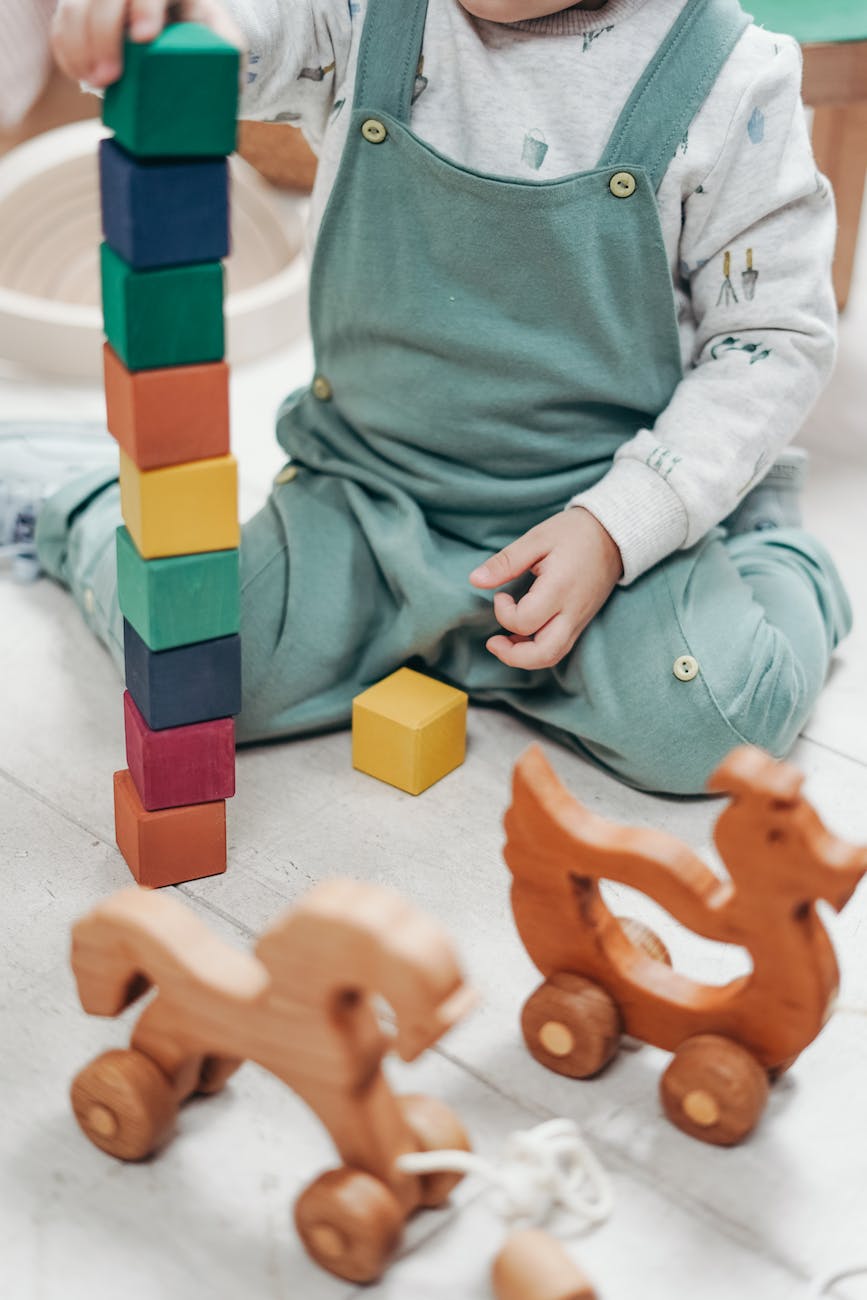
Children thrive when they take the lead in their play. The Copy Box approach empowers Early Years SEND children to initiate and direct playtime, fostering a sense of autonomy and control. By observing the child’s choices within the box and mirroring their actions, the adult sends a message that the child’s preferences and interests are valued.
3. Facilitates Language and Communication Development:
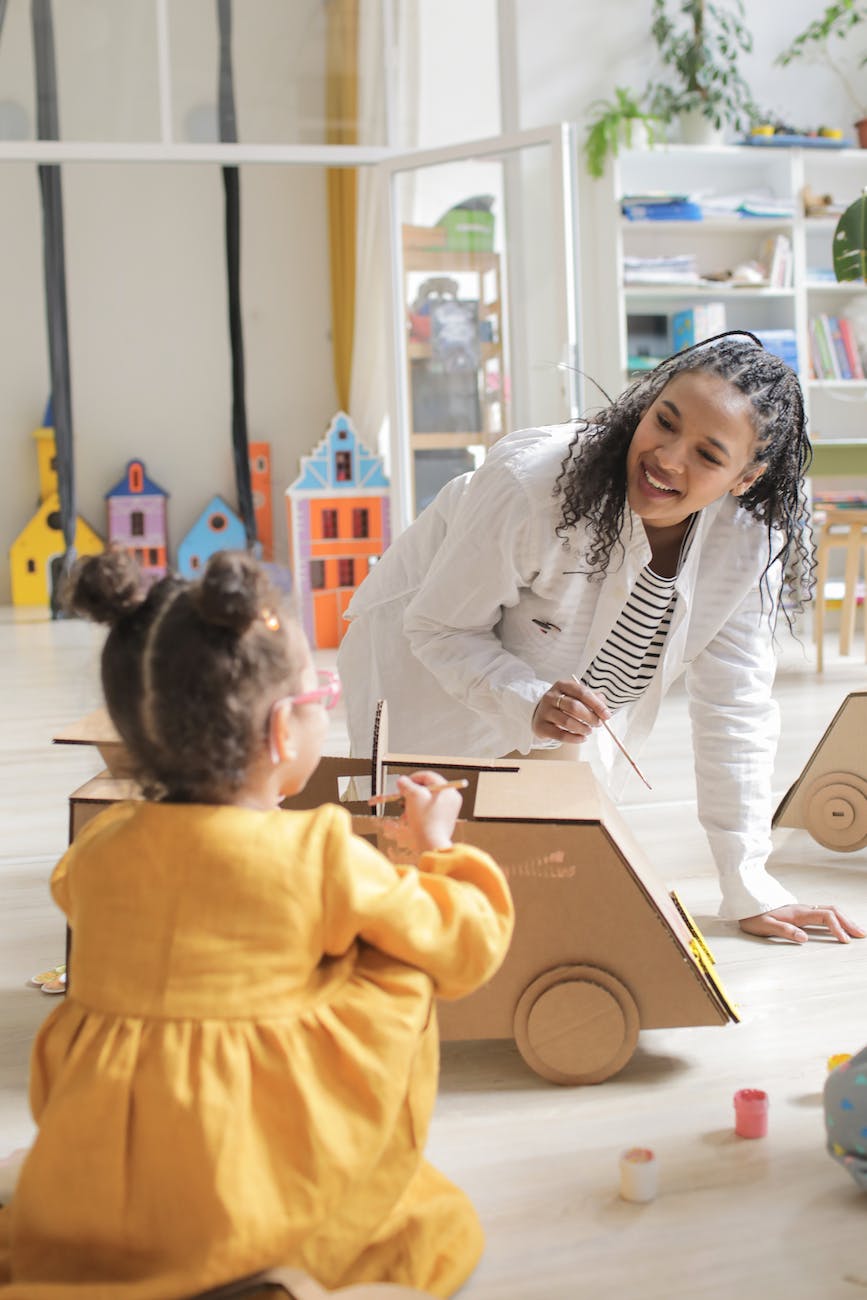
Language acquisition is a vital aspect of child development, particularly for those with SEND. The Copy Box method provides a natural setting for language enrichment. Adults can introduce simple language and gestures during play, labeling actions and objects, thus expanding the child’s vocabulary and communication skills. This interactive approach transforms playtime into a language-rich environment.
4. Develops Turn-Taking and Joint Attention:
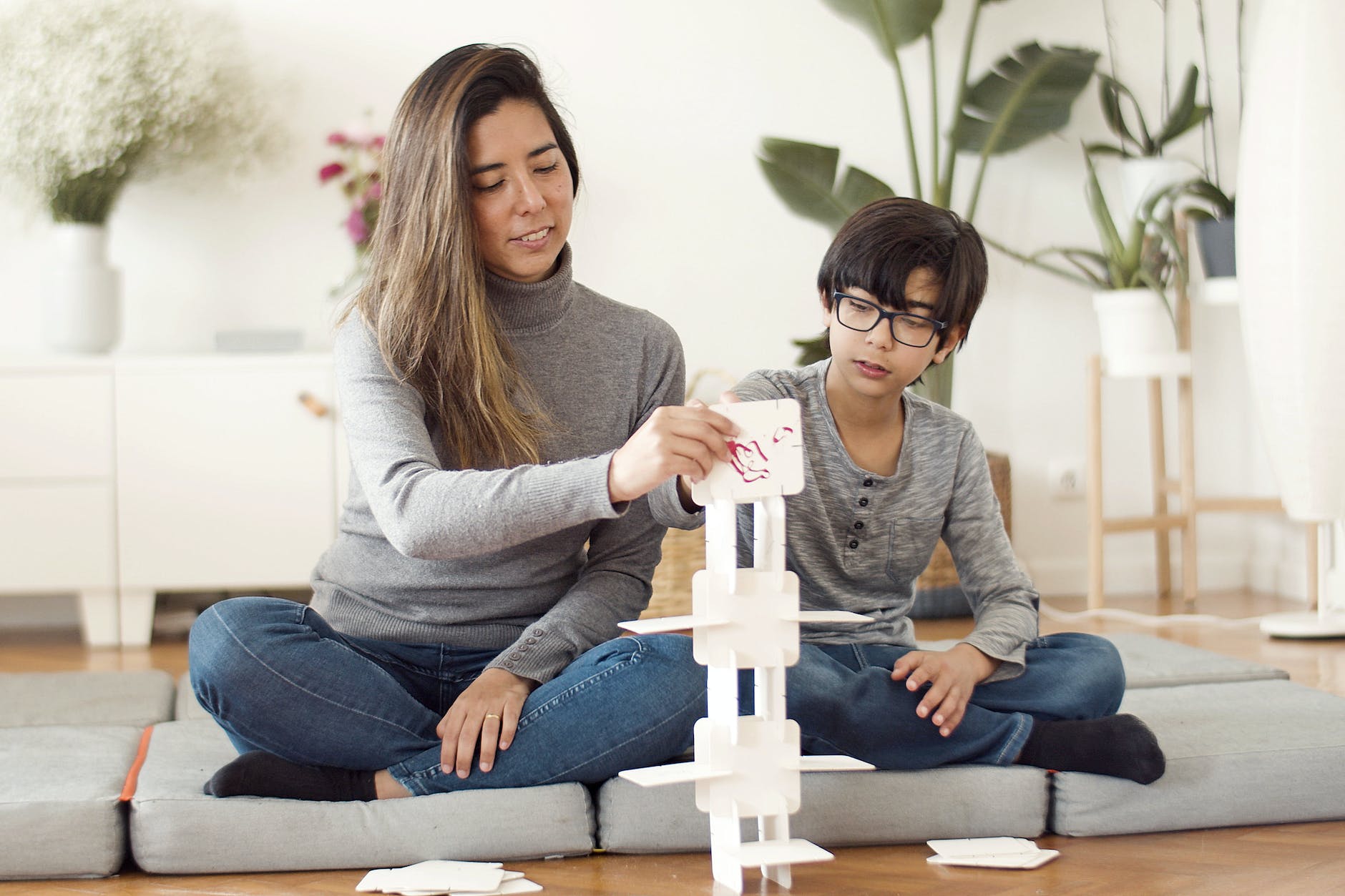
Turn-taking is a fundamental social skill that paves the way for successful interactions throughout life. The Copy Box technique introduces the concept of turn-taking in a subtle yet effective manner. As the child becomes accustomed to being copied, they begin to anticipate the adult’s actions, creating a pattern of joint attention and reciprocal play.
5. Customisable for Individual Needs:
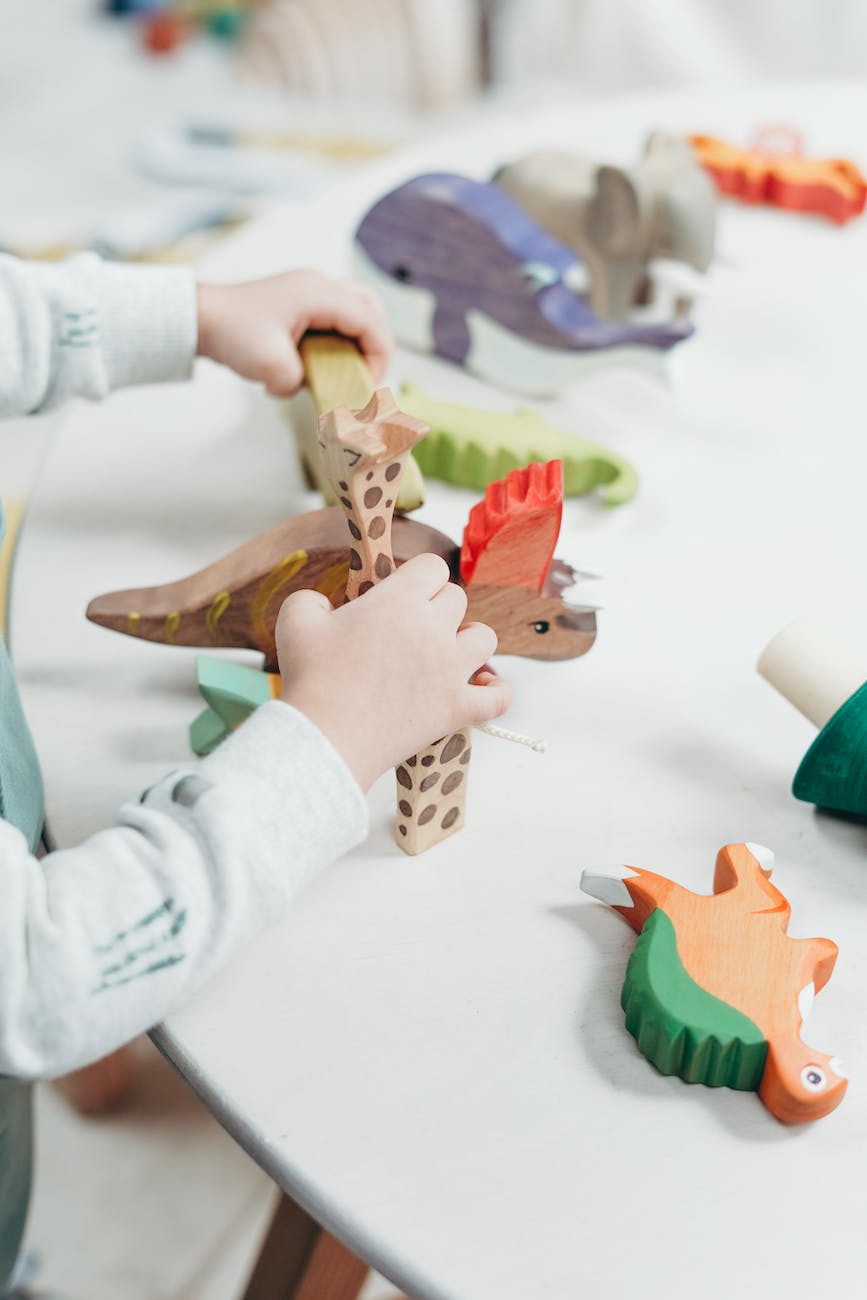
Each Early Years SEND child is unique, with varying developmental needs and preferences. The versatility of the Copy Box approach allows for tailoring the contents of the box to suit the child’s interests and developmental goals. Whether it’s exploring cars, books, dolls, or other items, the contents can be carefully chosen to align with the child’s specific needs and promote growth.
Conclusion:
The Copy Box approach stands as an innovative and promising method to support the development of Early Years SEND children. Through interactive play, turn-taking, language enrichment, and the promotion of social engagement, this technique offers a wealth of benefits. By embracing the principles of Copy Box, we can create meaningful and impactful interactions that contribute to the holistic growth of these remarkable children.
 That SEND Teacher